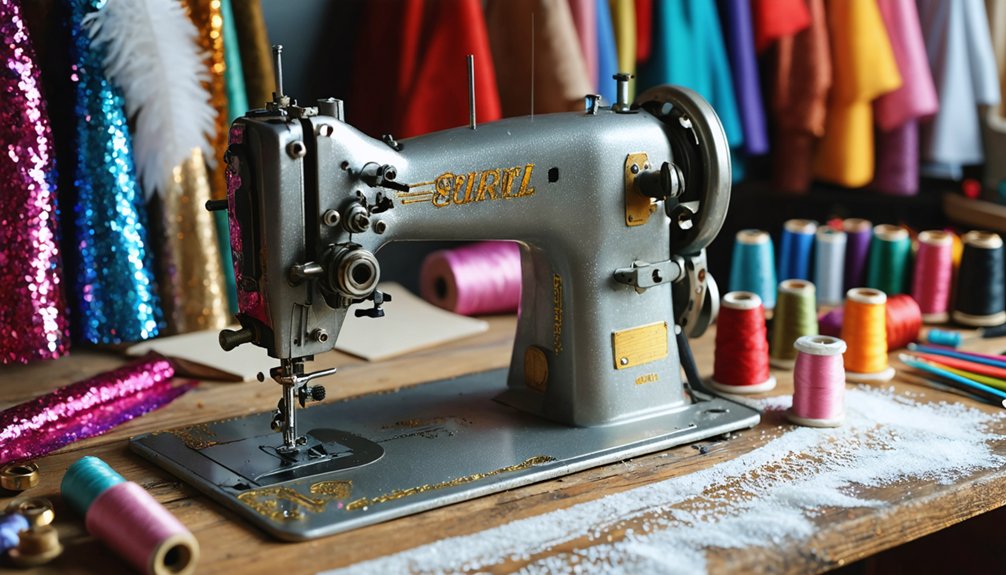
For cosplay sewing, you’ll need a machine with precise thread tension control, a strong motor, and stretch-compatible stitches to handle knits, foam-backed fabrics, and thick layered seams. A free arm design helps with cylindrical costume sections, while zigzag and reinforcement stitches keep your seams intact under stress. Beginners do well with mechanical machines, while complex builds benefit from computerized models. The right choice depends on your project type, budget, and skill level—all of which break down further ahead.
Key Takeaways
- Mechanical machines suit beginners with simple controls, while computerized models handle complex, multi-material cosplay projects with expanded stitch libraries and automation.
- Essential stitches include straight, zigzag, stretch, and buttonhole stitches to ensure structural integrity across diverse cosplay fabrics.
- Heavy-duty machines with strong motors and metal frames reliably handle thick layers, foam, interfacing, and reinforced closures.
- Test machines using actual fabric swatches—stretch knits, wovens, and foam-backed materials—to assess tension consistency and stitch quality before purchasing.
- Prioritize motor strength, free arm design, adjustable presser-foot pressure, and zigzag capability over decorative features for cosplay construction.
The Features That Actually Matter for Cosplay Sewing
Cosplay builds demand more from a sewing machine than standard garment work does, so knowing which features directly affect performance will save you time, money, and frustration.
Cosplay sewing demands more than standard garment work — choosing the right machine features saves time, money, and real frustration.
You’ll be switching between lightweight knits, woven fabrics, and heavy interfaced layers within a single build, which means you need precise thread tension control to prevent puckering or skipped stitches across different materials.
Needle types matter equally — ballpoint needles protect stretch fabrics while sharp needles cut cleanly through woven layers, so your machine must accommodate both without resistance.
Prioritize adjustable speed control, a free arm for cylindrical costume sections, and a strong motor for thick seam allowances.
Computerized models offer stitch versatility that mechanical machines can’t match when decorative topstitching and stretch-compatible stitches are both required.
Which Stitch Types Actually Matter for Cosplay?
Once you’ve identified the features your machine needs, the stitch options it offers will determine how far it can take you across different costume builds. A straight stitch handles most structural seams, while a zigzag stitch manages edge finishing, elastic attachment, and stretch fabrics like bodysuits and jersey components.
Stretch-compatible stitches are non-negotiable for fitted builds where seam integrity under tension matters. Proper thread tension control across these stitch types ensures clean results on mixed-weight fabrics without puckering or skipped stitches.
For fantasy and sci-fi costumes requiring visual detail, decorative embroidery patterns add precision topstitching that elevates finished work. Buttonhole and reinforcement stitches round out your closure options.
Prioritize a machine that delivers consistent performance across all these stitch categories, not just the basics.
How to Test Any Machine on Stretch, Foam, and Woven Fabrics
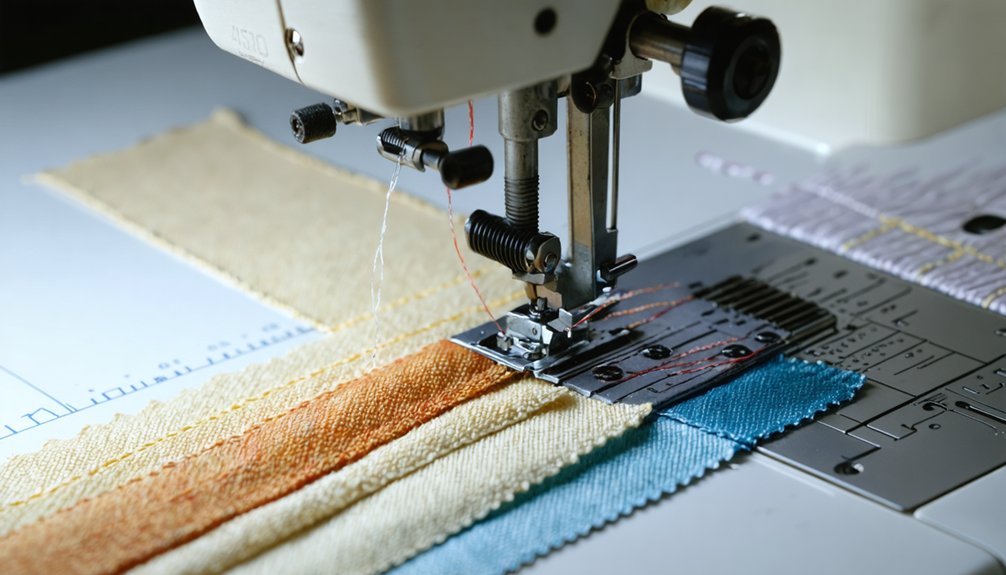
Before committing to any machine, test it directly on the fabrics you’ll actually use. Bring swatches of your stretch knits, woven costume fabrics, and any foam-backed materials to the store. Run straight stitches and zigzag stitches on each sample, then assess thread tension consistency across every layer shift.
On stretch fabric, watch for skipped stitches or puckering—both signal poor feed or incompatible needle timing.
On woven layers, check seam flatness and stitch uniformity at varying speeds.
Foam-backed materials demand stable presser-foot pressure and reliable motor torque through thick seams.
If embroidery options matter to your builds, test those functions on woven swatches specifically.
A machine that handles all three fabric types cleanly, with consistent thread tension throughout, is genuinely ready for complex cosplay construction.
Mechanical or Computerized: Which Type Fits Your Cosplay Style?
If you’re new to cosplay sewing, a mechanical machine gives you straightforward controls, easier maintenance, and a lower learning curve.
Once your builds grow more complex—mixing stretch fabrics, decorative topstitching, and precise seam adjustments—a computerized machine’s programmable settings and expanded stitch library become clear advantages.
Your best fit depends on the costume complexity you’re targeting, the fabrics you’re working with, and how frequently you plan to sew.
Mechanical Machines For Beginners
When you’re just starting out in cosplay, a mechanical sewing machine offers a straightforward, low-barrier entry point that lets you focus on building construction skills rather than maneuvering complex settings. Manual dials control tension, stitch length, and width directly, reducing software-related failure points during critical builds.
For fabric preservation across mixed costume materials, mechanical machines deliver consistent feed performance without electronic interference affecting pressure calibration. You’ll find it easier to adjust needle positioning manually when switching between lightweight knits and heavier woven layers.
While mechanical models lack advanced embroidery customization capabilities found in computerized units, they compensate through reliable long-term operation and simpler maintenance cycles. If your early cosplay builds prioritize structural accuracy over decorative complexity, a mechanical machine provides the dependable foundation your skills require.
Computerized Features For Cosplay
Computerized machines expand your stitch library and automate adjustments that mechanical models require you to dial in manually, making them a strong fit for cosplay builds that prioritize decorative detail, stretch-fabric precision, and repeatable stitch accuracy.
Built-in embroidery options let you apply intricate surface detailing to fantasy armor panels, insignias, and trim work without a separate unit.
Automatic threading reduces setup time between fabric changes, keeping your workflow efficient across multi-material builds.
Needle position control and programmable stitch sequences give you consistent results on curved seams and layered sections where manual adjustment introduces error.
If your costume work regularly combines knits, wovens, and heavier materials, a mid-range computerized model delivers the stitch versatility and automated precision that complex builds consistently demand.
Choosing Your Best Fit
Knowing what computerized machines offer puts you in a better position to decide whether those capabilities actually match how you work. If your builds involve mixed fabric weights, precise thread tension control, and frequent needle size changes, a computerized model delivers measurable advantages.
If your projects stay consistent and straightforward, a mechanical machine handles them reliably without added complexity.
Consider your build frequency, material range, and tolerance for troubleshooting. Computerized machines reward technical sewists who use varied stitches and need repeatable settings. Mechanical machines suit those who prioritize simplicity and fast setup.
Neither type is universally superior.
Test both on your actual fabrics before committing. Your specific cosplay demands—not marketing claims—should drive the final decision. Match the machine’s capabilities to your workflow, and you’ll perform at your best.
Best Beginner Cosplay Sewing Machines for New Costume Makers
If you’re just starting out in cosplay construction, a mechanical sewing machine gives you reliable, straightforward operation without the learning curve of computerized controls.
You’ll want a machine that covers the essentials—straight stitch, zigzag, and basic stretch stitches—since those three handle the majority of costume seams, edge finishing, and elastic attachment.
To stretch your budget further, consider purchasing from a local sewing retailer where you can demo models in person and access setup support, warranty handling, and trade-in options.
Why Choose Mechanical Machines
Mechanical sewing machines earn their place as a top recommendation for beginner cosplay makers because they’re straightforward to operate and easy to maintain. You’ll find fewer electronic components to troubleshoot, which means faster diagnosis when something goes wrong mid-build. Their durable construction supports repeated use across multiple costume projects without performance degradation.
For makers drawn to vintage aesthetics, mechanical machines deliver reliable straight and zigzag stitches that produce clean seams with consistent aesthetic appeal across woven and knit costume fabrics. You control tension, stitch length, and width through physical dials—direct, tactile adjustments that eliminate software variables entirely.
When you’re building your first bodysuit, armor base, or fantasy garment, a mechanical machine keeps the learning curve focused on construction technique rather than steering digital menus or troubleshooting automated systems.
Essential Beginner Stitch Options
Whether you’re building a form-fitted bodysuit or a layered fantasy garment, three stitches cover most beginner cosplay construction: the straight stitch, the zigzag stitch, and a basic stretch stitch. Mastering these before exploring embroidery patterns keeps your workflow efficient. Correct thread tension is equally critical—improper settings distort seams on knits and wovens alike.
- Straight stitch – handles all primary construction seams cleanly and precisely.
- Zigzag stitch – finishes raw edges, attaches elastic, and accommodates stretch fabrics.
- Stretch stitch – prevents seam breakage on bodysuits and jersey costume components.
- Buttonhole stitch – reinforces closures and supports functional costume finishing.
Start with these four before advancing to decorative options. Solid stitch fundamentals directly determine your costume’s structural integrity and professional appearance.
Budget-Friendly Buying Tips
Choosing the right beginner machine doesn’t require a large budget, but it does require knowing which features actually matter for cosplay construction. Prioritize motor strength, zigzag capability, and free arm access before considering decorative extras. Entry-level mechanical machines typically handle lightweight knits and woven costume fabrics reliably without unnecessary complexity.
Buy from a specialized sewing retailer rather than a big-box store. You’ll gain access to in-person demos, warranty support, and setup guidance that online purchases rarely include.
Factor in long-term costs: fabric dyeing projects add chemical exposure to tools and workspaces, while proper costume storage reduces wear that would otherwise demand more frequent machine repairs. Spend strategically on a durable, well-supported machine now rather than replacing a cheaper model within a single build season.
Best Mid-Range Cosplay Sewing Machines for Mixed Techniques
Mid-range computerized sewing machines hit a practical sweet spot for cosplay builds that mix knits, woven costume fabrics, and heavier interfaced layers. Fabric compatibility across multiple material weights demands consistent thread tension and reliable stitch control you won’t find in basic entry-level models.
Look for these critical mid-range features:
- Adjustable presser-foot pressure — handles slippery linings and stretch panels without skipped stitches
- Built-in stretch stitches — essential for bodysuits and jersey-based costume components
- Needle position control — delivers cleaner topstitching on decorative costume details
- Variable speed control — lets you manage precision work on trims, foam accents, and intricate seam lines
These combined capabilities make mid-range computerized machines a technically sound investment for cosplayers tackling complex, multi-fabric builds regularly.
Best Heavy-Duty Cosplay Sewing Machines for Thick Layers
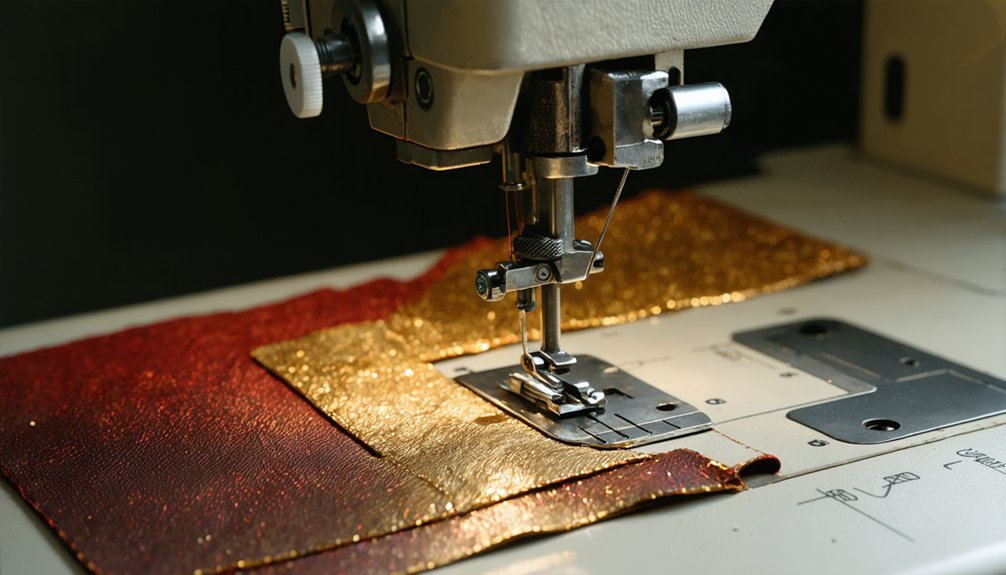
Heavy-duty sewing machines become a practical necessity once your cosplay builds regularly involve stacked seam allowances, thick interfacing, or layered foam-backed fabrics. These machines deliver stronger motor output, which directly supports fabric durability across repeated high-stress construction sessions.
You’ll notice the difference immediately when driving through multiple denim layers, bonded materials, or reinforced closures without stalling.
Precise thread tension control is equally critical here. Heavy-duty models typically offer more consistent tension regulation across varied thread weights, reducing skipped stitches and seam distortion on demanding materials.
Look for machines with metal interior frames, high stitch-per-minute ratings, and adjustable presser-foot pressure. These specifications translate directly into cleaner seams on the thick, mixed-material costume builds that mid-range machines often struggle to handle reliably.
How to Pick the Right Cosplay Sewing Machine for Your Budget
Budget shapes every purchase decision, and a cosplay sewing machine is no different. Match your investment to your actual build complexity, fabric dyeing requirements, and pattern drafting demands.
- Entry-level mechanical machines suit beginners tackling simple construction with lightweight fabrics.
- Mid-range computerized models handle mixed fabric weights, stretch components, and decorative topstitching efficiently.
- Heavy-duty machines justify higher costs when you’re repeatedly stitching thick interfaced layers or reinforced seams.
- Demo in-store before committing — test your planned fabrics directly on the machine.
You’ll also want to factor in long-term support, warranty access, and dealer reliability. A higher upfront cost often reduces repair downtime later.
Prioritize motor strength, stitch versatility, and durability over feature count when your cosplay builds demand consistent, precision-driven performance.
Frequently Asked Questions
Can I Use a Regular Home Sewing Machine for Large Cosplay Builds?
Coincidentally, many cosplayers start with what they already own — yes, you can! Your home machine handles large builds if it manages varied fabric types and stitching techniques, though heavy-duty motors improve reliability considerably.
Are Sewing Machine Warranties Important When Buying for Cosplay Use?
Yes, warranties matter considerably for cosplay use. You’ll want strong warranty coverage to protect your investment during intensive builds. Prioritize machines backed by accessible repair services, especially when you’re pushing through heavy fabrics and complex costume construction regularly.
Which Sewing Machine Brands Have the Strongest Cosplay Community Reputation?
Like a needle threading possibility, Bernette leads cosplay’s community reputation. You’ll find their machine weight and thread compatibility inspire confidence across forums, with mid-range computerized brands consistently earning trust through versatility, durability, and innovative fabric-handling performance.
Does Buying From a Local Sewing Store Offer Advantages Over Online Purchasing?
Yes, buying from a local store offers real local store benefits—you’ll access hands-on demos, warranty support, and setup help. However, online shopping advantages include broader selection and competitive pricing, so weigh both options strategically.
How Often Should a Cosplay Sewing Machine Be Serviced or Maintained?
Stay ahead of the curve: service your machine annually. You’ll need professional cleaning, machine lubrication, and part replacement checks every 12 months, or sooner if you’re consistently stitching through heavy cosplay fabrics and thick layered materials.
References
- https://www.reddit.com/r/sewhelp/comments/18x5ns8/sewing_machine_recommendations_for_cosplay/
- https://www.facebook.com/groups/genconindy/posts/10163103825186902/
- https://www.youtube.com/watch?v=2-cEPAJ4Y1E
- https://northshorequilting.com/blogs/product-spotlight/bernette-sewing-machines-your-cosplay-secret-weapon
- https://www.firststopcosplay.com/blogs/fsco-blog/how-to-choose-a-sewing-machine-a-beginner-s-guide
- https://www.youtube.com/watch?v=SPGwP0XQCj8
- https://www.youtube.com/watch?v=lMUyQLvKpOY
- https://www.facebook.com/groups/unycosplay/posts/10162105896231178/
- https://sewing.patternreview.com/SewingDiscussions/topic/60617