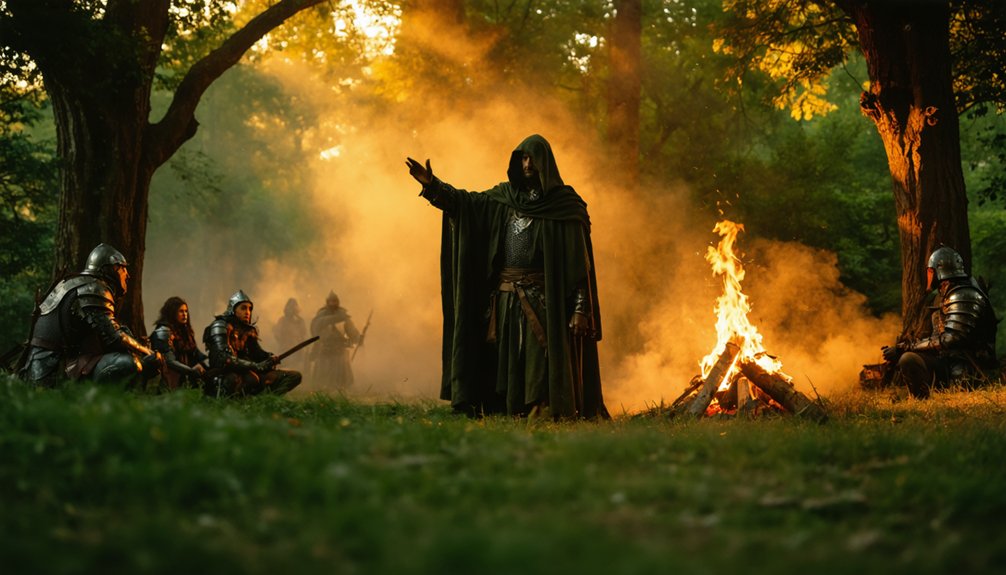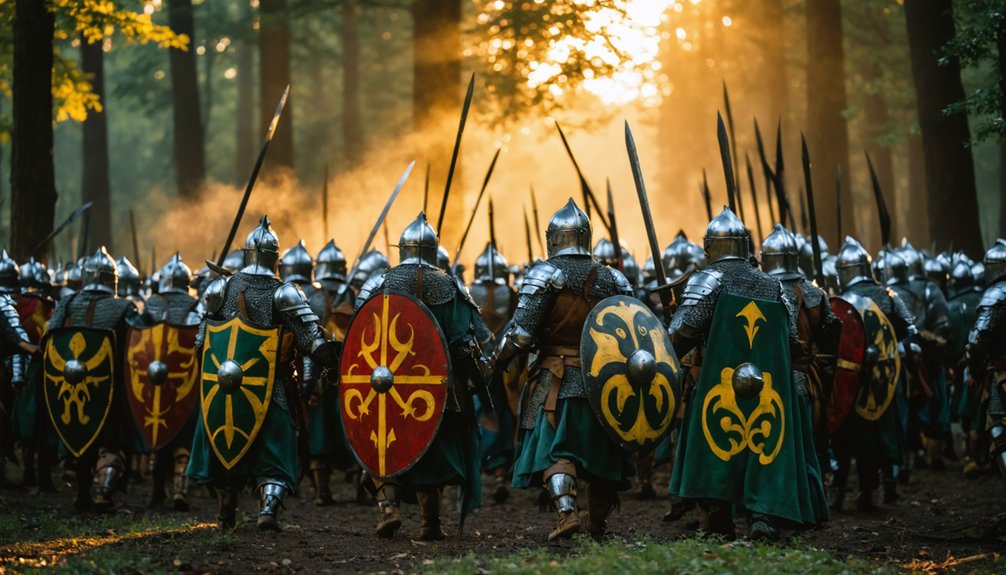
Finding the best LARP group means matching your genre interests, budget, and safety expectations to an active, well-organized community. You’ll want to check directories like LARP Portal, LARPBook, and Meetup to explore options near you. Prioritize groups with clear safety policies, consistent event schedules, and responsive organizers. Whether you’re drawn to fantasy campaigns, sci-fi adventures, or horror scenarios, the right fit is out there—and what follows will help you find it confidently.
Key Takeaways
- Use platforms like LARP Portal, LARPBook, and Meetup to find groups filtered by location, genre, and event frequency.
- Prioritize groups with clear safety policies, transparent costs, and responsive organizers to ensure a well-managed community.
- Beginners should start with open, low-commitment events requiring minimal costumes before joining long-term campaign groups.
- Campaign-oriented groups offer persistent storylines and character development, making them ideal for dedicated, long-term players.
- Cross-reference directories, social media, and official websites to verify a group’s activity level and organizational stability.
Safety, Cost, and Genre Fit: What Makes a LARP Group Worth Joining
Before committing to any group, you’ll want to evaluate three things that matter most: safety policies, cost, and genre fit. A well-run organization clearly outlines combat rules, consent standards, and player conduct expectations. That transparency signals a healthy community worth your time.
Cost considerations include event fees, travel distance, and costume requirements. Some groups run low-budget community events, while others invest in large-scale productions with higher entry costs. Know what you’re getting before you commit.
Genre compatibility shapes everything, from your costume and character backstory to how you engage in roleplay and combat. Whether you prefer high fantasy, sci-fi, horror, or historical settings, finding a group whose world matches your interests makes every event more immersive and rewarding.
Best LARP Directories to Find Groups Near You
Once you’ve identified what you’re looking for in a LARP group, the next step is knowing where to search. Several strong directories exist to help you find active groups, including Wikipedia’s List of Live Action Role-Playing Groups, LARPBook, the Paladin Music LARP Directory, LARP Portal’s Find a LARP tool, and LARP Adventures.
Using these resources strategically—filtering by region, genre, and event activity—cuts down your search time and connects you with groups that are actually running games near you.
Top Online LARP Directories
Finding a LARP group starts with knowing where to look, and several reliable directories make that search much easier. These platforms let you filter by location, genre, and event style, so you’re not starting from scratch.
- Wikipedia’s List of Live Action Role-Playing Groups – A broad regional index covering organizations worldwide, including those focused on historical settings and strict costume requirements.
- LARPBook – Features club profiles and community pages, making it easy to assess a group’s activity level and style before committing.
- LARP Portal – Offers a dedicated “Find a LARP” search tool that surfaces local games quickly.
Each directory serves a different discovery need, so cross-referencing two or three gives you the clearest picture of what’s available near you.
Using Directories Effectively
Knowing which directories exist is only half the job—you also need to use them strategically to surface the right groups. Start by filtering searches using location, genre, and event frequency to avoid wading through inactive listings.
When you find a promising group, dig into its public profile—look for clear roleplay logistics like combat systems, event schedules, and membership costs. Don’t overlook costume guidelines either; they reveal how seriously a group approaches immersion and worldbuilding.
Cross-reference listings across multiple platforms like LARP Portal, LARPBook, and Meetup to confirm a group’s activity level. An updated event calendar signals operational stability.
Reach out directly through listed contact channels before committing—responsive organizers usually indicate a well-managed community worth joining.
Best LARP Groups for Beginners to Start With
If you’re new to LARP, starting with a low-barrier group makes all the difference—look for organizations that welcome beginners without requiring expensive gear, complex rules, or prior experience.
Open social groups and convention-style events often serve as ideal entry points because they let you observe, participate casually, and build confidence before committing to a campaign.
You’ll also want to prioritize groups with clear safety standards, including consent policies and structured combat rules, so you can focus on having fun rather than maneuvering unclear expectations.
Low-Barrier Entry Groups
For beginners, the best place to start is with open social groups and convention-style LARPs—they’re designed for low-stakes entry, require minimal gear, and don’t demand deep system knowledge upfront. These groups prioritize accessibility and welcome new players with open arms.
Here’s what makes them ideal launching points:
- Minimal costume requirements — Basic LARP costume tips like thrift-store finds or simple tunics get you ready without breaking your budget.
- Guided character building — Organizers often provide character development techniques, helping you craft a persona before your first event.
- One-off scenarios — Convention-style formats let you test different genres without long-term commitment.
You’ll gain real experience fast, build confidence, and discover exactly what style of LARP excites you most.
Beginner-Friendly Safety Standards
Once you’ve found a beginner-friendly group, the next thing worth checking is how seriously they take player safety—because a welcoming entry point means nothing if the environment feels unsafe once you’re in.
Strong groups publish clear combat rules, consent frameworks, and roleplay etiquette guidelines before your first event. You shouldn’t have to ask twice about boundaries or feel pressured over costume authenticity before you’ve even played.
Look for organizations that run safety briefings, assign experienced players as mentors, and maintain active moderators during events. These signals tell you the group invests in sustainable culture, not just headcount.
When safety standards are transparent and enforced, you’ll spend less time orienting yourself with discomfort and more time building the skills and confidence that make LARP genuinely rewarding.
Top Campaign Organizations for Long-Term Play
Campaign organizations offer some of the most rewarding LARP experiences you’ll find, built around persistent worlds where your character grows across months or even years of play. Your decisions carry real weight, relationships deepen, and character development becomes genuinely meaningful over time.
When evaluating campaign organizations, prioritize these three factors:
- Narrative continuity — ongoing plotlines reward long-term commitment and give your choices lasting consequences.
- Character development systems — robust progression mechanics let you build unique skills, reputations, and story arcs.
- Costume requirements — clear standards signal a community invested in immersion and world consistency.
These organizations typically run recurring events on monthly or seasonal schedules, making participation manageable.
If you’re ready to invest in a living story, campaign organizations deliver the deepest, most dynamic LARP experience available.
Fantasy, Sci-Fi, and Horror LARP Groups by Genre

Genre shapes everything about your LARP experience — the costumes you build, the stories you chase, and the community you’ll belong to. Choosing the right genre locks you into a creative framework that drives both character development and costume design from day one.
Your genre choice isn’t just aesthetic — it’s the creative DNA behind every costume, character, and story you’ll tell.
Fantasy groups dominate the LARP landscape, offering rich world-building, magic systems, and medieval combat.
Sci-fi communities push innovation through technology-driven narratives, futuristic aesthetics, and speculative storytelling.
Horror groups deliver immersive psychological play, often blending consent-forward mechanics with intense dramatic tension.
Each genre attracts distinct player cultures, so research matters. Check event calendars, browse directory listings on platforms like LARP Portal or LARPBook, and look for active communities that match your preferred tone, setting, and creative ambitions.
How to Compare LARP Organizations Before Committing
Before you commit to any LARP organization, comparing your options across a few key factors saves you time, money, and disappointment. Not every group fits every player, so evaluating deliberately puts you ahead.
Focus on these three comparison points:
- Player engagement — Check social platforms and event pages for recent activity. Responsive organizers and active members signal a healthy community.
- Event variety — Groups offering campaign arcs, one-shots, and seasonal events give you flexible entry points without locking you into one format.
- Safety and accessibility — Review combat rules, consent policies, event costs, and location regularity before deciding.
Cross-referencing directories like LARP Portal and Meetup alongside public club profiles helps you make a confident, informed choice fast.
Where to Find Active LARP Communities on Social Platforms

Social platforms are where LARP communities stay alive between events, and knowing where to look cuts your search time considerably. Meetup is your strongest starting point, offering dedicated LARP topic pages organized by location, genre diversity, and event frequency. You’ll find both new and established groups actively posting schedules and welcoming members.
Facebook Groups remain a practical hub for regional clubs and campaign organizations sharing event updates, photos, and cost considerations like gear requirements and registration fees.
Discord servers connect genre-specific communities in real time, making it easy to ask questions before committing.
LARPBook profiles and LARP Portal’s Find-a-LARP tool bridge social discovery with directory-style search. Cross-referencing these platforms gives you the clearest picture of which groups are active, organized, and worth your time.
Red Flags to Avoid When Choosing a LARP Organization
Choosing the right LARP organization saves you time, money, and frustration, so knowing the warning signs early makes all the difference. Some groups look exciting online but reveal serious problems once you’re involved.
Watch for these red flags before committing:
- Vague cost concerns — Hidden fees, unclear event pricing, or sudden charges signal poor financial transparency and disrespect for members.
- Weak safety standards — No published combat rules, consent frameworks, or conduct policies put you and others at genuine risk.
- Inactive event calendars — Sparse scheduling or cancelled events repeatedly suggest an unstable organization that can’t sustain regular play.
Trust your instincts. If a group resists answering direct questions about costs or safety, that resistance tells you everything you need to know.
Frequently Asked Questions
Can You LARP Without Any Prior Acting or Theater Experience?
You don’t need acting experience to LARP! You’ll plunge into costume improvisation and character development naturally as you play. Most groups welcome beginners, so you can jump in, experiment boldly, and grow your skills organically!
How Many Members Does a Typical LARP Group Usually Have?
You’ll find most LARP groups range from 10 to 200+ members! Sizes vary by genre and region, so you’ll encounter unique LARP safety standards and costume requirements tailored to each community’s innovative, immersive experience.
Do LARP Organizations Require Members to Attend Every Scheduled Event?
Most groups let you attend just 20% of events and still stay active! You’ll find attendance flexibility is built into membership commitment, so you can engage at your own pace without pressure.
Are There LARP Groups Specifically Designed for Children or Families?
Yes, you’ll find LARP groups tailored for kids and families! Many offer children’s fantasy adventures with age-appropriate rules, while family-friendly options let parents and children roleplay together, making it an exciting, innovative way to bond!
How Long Does a Standard LARP Event or Session Typically Last?
You’ll find that event duration varies widely! A single session length can run 2–4 hours for casual meetups, while immersive weekend campaigns stretch across multiple days, giving you richer storytelling and unforgettable character progression!
References
- https://en.wikipedia.org/wiki/List_of_live_action_role-playing_groups
- https://www.meetup.com/topics/larp/
- https://www.meetup.com/topics/sci-fi-live-action-role-play-larp/global/
- https://www.meetup.com/topics/larp-live-action-role-playing/us/
- https://www.facebook.com/groups/larpexchange/
- https://www.facebook.com/groups/1117376191772084/posts/2731684183674602/
- https://larpbook.com/all-articles/larp-clubs-and-profiles/
- http://www.paladinmusic.com/larpdirectory.html
- https://larportal.com/findalarp.php
- https://www.larpadventures.com/