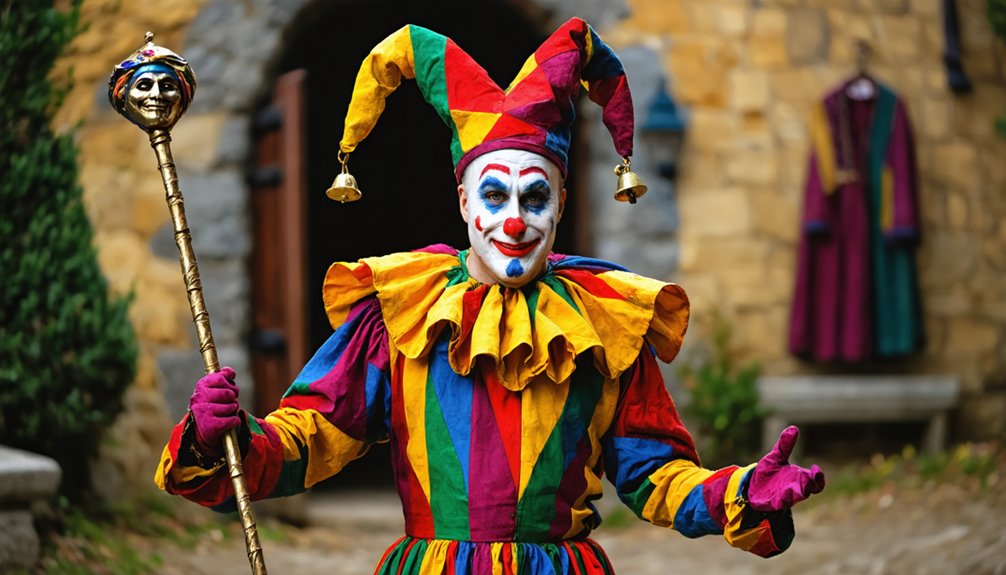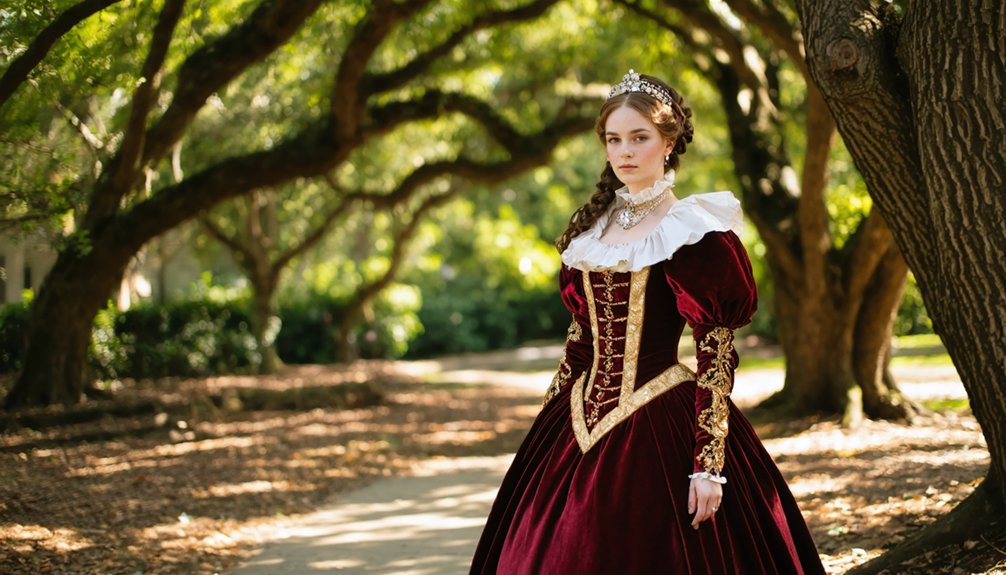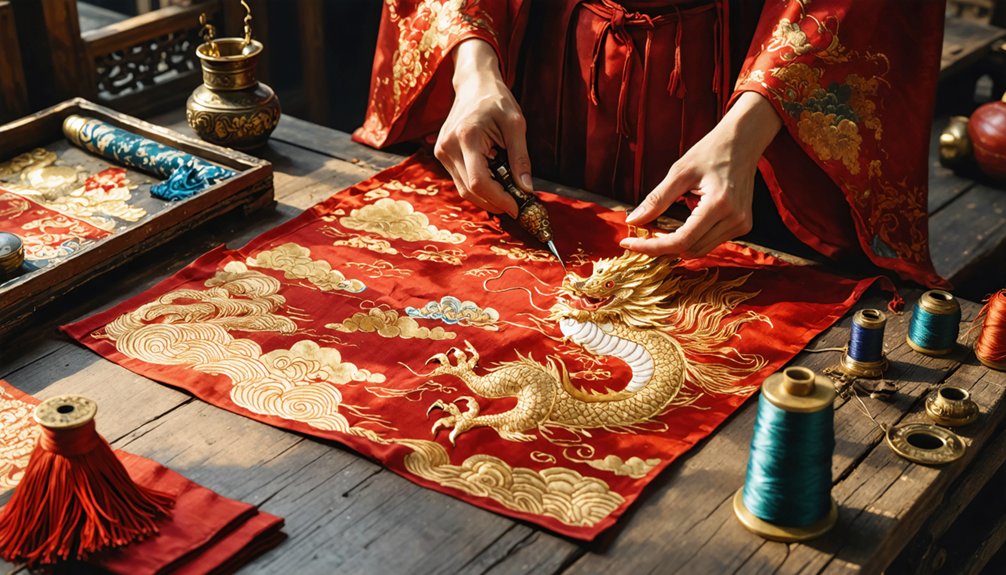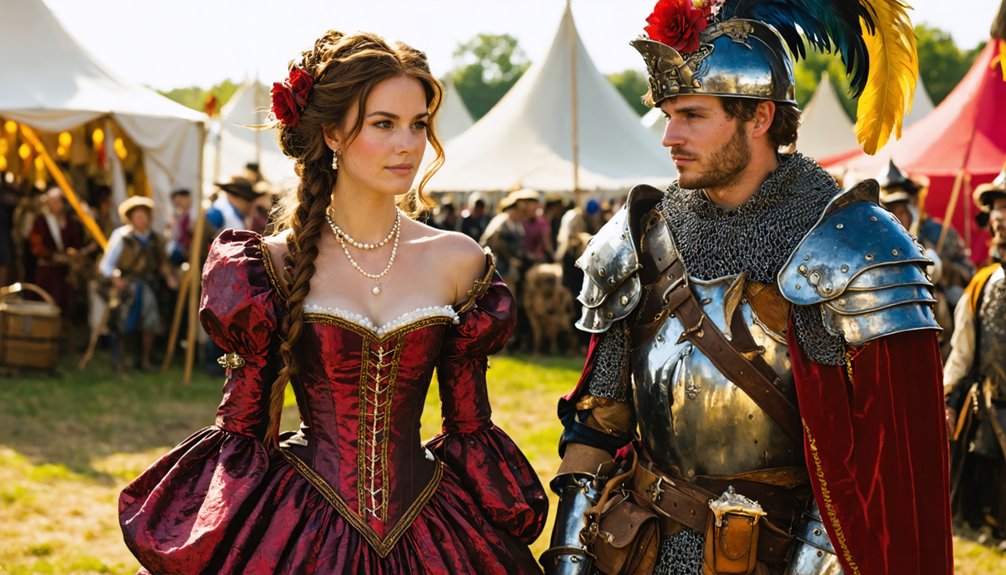
Your best Renaissance fair costume starts with a defined character archetype—noble, peasant, rogue, or warrior—since your role determines fabric choices, silhouette, and accessories. Prioritize natural materials like linen, wool, and velvet for authenticity, and build strategically with leather belts, period-accurate footwear, and status-appropriate jewelry. You can achieve a compelling look on any budget through thrifting, DIY construction, and selective accessorizing. Everything you need to craft a truly immersive costume is covered ahead.
Key Takeaways
- Define your character archetype first—noble, peasant, warrior, or rogue—to guide fabric choices, silhouette, and accessory selection cohesively.
- Prioritize natural fabrics like linen, wool, and velvet for authenticity; avoid synthetic materials that undermine period-accurate aesthetics.
- Use leather belts, sturdy boots, and metal-finish hardware to signal character status and enhance costume credibility affordably.
- Source base layers from thrift stores, DIY key pieces, and shop Etsy artisans or fair vendors for quality accessories.
- Balance authenticity with comfort by layering breathable natural fibers and choosing supportive footwear for extended outdoor wear.
Women’s Renaissance Fair Costumes by Character Type
Choosing a character archetype before selecting any fabric or accessory is the most effective way to build a cohesive women’s Renaissance fair costume. Your archetype determines every subsequent decision, from silhouette to material weight.
A noble demands structured brocade and refined ornamentation, while a peasant calls for rough linen and minimal decoration. A witch invites dark, layered textiles with mystical accents, whereas a fae character permits ethereal, nature-inspired embellishment.
If you’re pursuing a warrior identity, incorporating elements reminiscent of medieval armor, such as leather pauldrons or metal-riveted corsetry, sharpens your visual narrative.
For those drawn to performance, a renaissance dance costume prioritizes mobility, featuring lighter skirts and flexible bodices.
Define your archetype first, then build outward with precision and intentionality.
Men’s Renaissance Fair Costumes by Character Role
Just as with women’s costumes, defining your character role before selecting any garment is the foundational step in building a credible men’s Renaissance fair outfit. Your role dictates every material, silhouette, and layering decision.
A knight demands structured components referencing medieval armor, including pauldrons, gauntlets, or chainmail detailing over a fitted doublet.
A nobleman requires courtly fashion elements such as rich velvets, decorative hose, and refined accessories that signal elevated status.
A peasant or craftsman calls for rougher linen, earth tones, and minimal ornamentation.
A rogue or pirate leans toward worn leather, layered belts, and asymmetrical detail.
Regardless of role, prioritize loose breeches, a poet shirt, and a doublet as your structural foundation, then build upward with role-specific accessories that reinforce your chosen character’s social and occupational identity.
How to Choose Fabrics for a Renaissance Fair Costume
Once you’ve locked in your character role and structural garments, fabric selection becomes the next critical decision that either reinforces or undermines the entire costume’s credibility.
Prioritize natural materials like linen, wool, cotton, and velvet, since these reflect historically accurate choices and produce fabric textures that synthetic alternatives can’t replicate convincingly. Each material carries distinct visual weight and drape that communicates status instantly.
Natural materials like linen, wool, and velvet carry visual weight and drape that no synthetic can replicate.
For color, study period-authentic dye techniques rooted in plant-based and mineral sources, which naturally produce the muted earth tones characteristic of Renaissance dress. Avoid bright, chemically saturated colors that immediately signal modern manufacturing.
Match your fabric choice to your character archetype: coarser weaves suit working-class roles, while finer, denser materials signal nobility.
Unified fabric selection across all garment layers keeps your costume visually coherent and historically persuasive.
How to Build a Renaissance Fair Costume on Any Budget
Building a Renaissance fair costume on a limited budget starts with identifying affordable base layers, such as a plain linen-look chemise or loose poet shirt sourced from thrift stores or budget retailers.
You can then strengthen the look through low-cost accessory choices, prioritizing leather belts, simple metal jewelry, and sturdy boots over elaborate ornamentation.
DIY construction of key pieces, such as a basic bodice or a gathered skirt, further reduces costs while giving you precise control over fabric choice, fit, and period accuracy.
Budget-Friendly Base Layers
Whether you’re working with a generous budget or a tight one, the foundation of any strong Renaissance fair costume begins with the base layer. For women, a simple chemise serves as the essential undergarment, while men need a loose-fitting poet shirt. Both pieces are achievable through strategic fabric sourcing at thrift stores, discount fabric retailers, or repurposed linen bedding.
Prioritize natural-looking materials like cotton, linen, or muslin to maintain period authenticity without overspending. These fabrics layer well, breathe efficiently during long outdoor events, and adapt to temperature shifts throughout the day.
Pair your base layer with appropriate medieval footwear early in the build process, since boots or sturdy leather-style shoes anchor the entire silhouette. Establishing this foundation first prevents costly, mismatched accessory decisions later.
Affordable Accessory Choices
With your base layer secured, accessories become the next opportunity to build character without straining your budget. Prioritize leather belts, simple metal buckles, and wooden or stone-accented jewelry over synthetic alternatives. Thrift stores and craft markets frequently offer raw materials you can repurpose effectively.
For those pursuing knight or warrior archetypes, affordable Medieval weaponry replicas crafted from resin or foam deliver strong visual impact without significant cost. Choose pieces that reinforce your character’s occupational identity rather than collecting decorative items indiscriminately.
If your archetype leans mystical, Mythical creature accessories such as horn headpieces, scale-textured pouches, or iridescent feather clips introduce distinctive character depth economically. Keep your total accessory count intentional and limited, ensuring each piece strengthens your overall narrative while maintaining period authenticity throughout the event.
DIY Costume Building Tips
Crafting a Renaissance fair costume on a tight budget demands strategic prioritization rather than indiscriminate spending. Begin with a chemise or loose poet shirt as your foundation, since these base layers directly support historical accuracy without requiring significant investment. Thrift stores and fabric remnants offer cost-effective materials that still achieve natural-fiber authenticity.
Build outward systematically, adding a structured bodice or doublet before incorporating accessories. This layered approach improves costume durability by distributing wear across multiple garments rather than stressing a single piece.
Select earth tones that unify your silhouette and reinforce your chosen archetype.
Limit decorative additions to what strengthens your character’s identity. You’ll produce a more cohesive, period-appropriate costume by editing aggressively than by accumulating props without intentional design logic driving each decision.
Where to Buy Renaissance Fair Costumes and Accessories
Finding the right Renaissance fair costume depends heavily on where you shop, as each source offers distinct trade-offs between authenticity, cost, and customization.
Specialty retailers like Ren faire vendors, Etsy artisans, and dedicated costume sites offer handcrafted pieces, including period-accurate garments, leather goods, and decorative medieval weaponry. These sources prioritize craftsmanship over convenience.
Mass-market retailers such as Amazon or Spirit Halloween provide budget-friendly options with faster shipping, though quality often suffers.
If you want fairy wings or fantastical accessories, costume-specific online marketplaces offer the widest selection.
Thrift stores and fabric shops support DIY builds at lower costs.
Attending the fair itself exposes you to independent craftspeople selling directly, giving you the advantage of trying pieces on before purchasing.
Belts, Bags, and Hats That Finish a Renaissance Costume
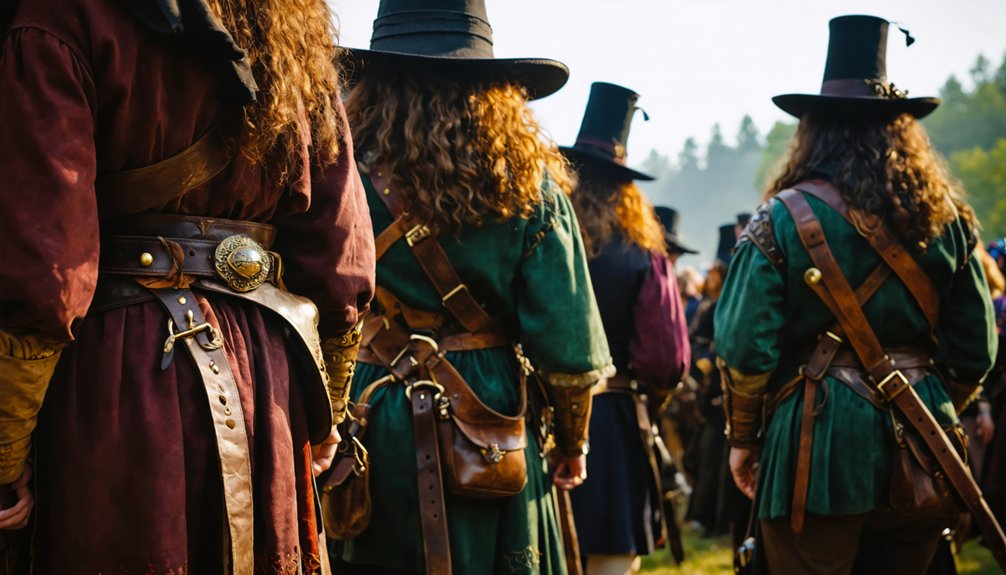
Your belt, bag,, and hat choices carry as much period authority as your base garments, and selecting each with intentionality guarantees your costume reads as cohesive rather than assembled.
A wide leather belt anchors the silhouette, a drawstring pouch replaces the anachronism of a modern bag, and a structured hat locks in your character archetype at a glance.
When these three elements share materials, tones, and craft aesthetic, they don’t merely accessorize your look—they complete it.
Choosing Period-Appropriate Belts
Once you’ve assembled the core layers of your Renaissance costume, the right belt does more than hold everything together—it signals rank, occupation, and period authenticity in a single functional detail.
Drawing from medieval armor traditions and courtly fashion conventions, belts carried symbolic weight beyond utility. A wide leather girdle worn low on the hips suited noblewomen, while a narrow tooled belt worked better for merchants or craftspeople.
You’ll want to prioritize leather over synthetic materials, and select hardware in brass, bronze, or iron finishes. Avoid modern buckle styles, since they immediately undercut the period illusion.
Match belt width and ornamentation to your character archetype—a knight warrants heavier construction, a peasant warrants simplicity.
Your belt choice ultimately anchors the entire costume’s historical credibility.
Hats and Bags Complete Looks
Belts anchor the midsection of your costume, but hats and bags carry equal finishing power—each one reinforcing the character archetype you’ve built from the ground up.
Historical headwear functions as a visual signature—a feathered cavalier hat signals nobility, while a simple coif reads as working-class immediately. Match your hat’s material and color to your existing palette rather than treating it as an afterthought.
Period-appropriate pouches replace modern bags entirely, preserving the costume’s silhouette while remaining functional for carrying essentials throughout the fair. Attach them directly to your belt using leather ties or metal rings for authenticity.
Avoid drawstring bags in synthetic fabric, since they undermine the natural-material discipline you’ve maintained elsewhere. Every accessory you add should deepen your character’s story, not dilute it.
The Best Boots and Footwear for Renaissance Fair Costumes
Footwear anchors your entire Renaissance costume, so choosing the right boots or shoes matters more than most attendees realize. Historical footwear favored leather construction, low heels, and simple lacing or buckle closures that prioritized function over ornamentation.
You’ll want boots that reach mid-calf or higher, reinforcing period authenticity while providing ankle support across uneven fairgrounds.
Footwear durability becomes critical when you’re spending eight or more hours walking, standing, and *orienteering* outdoor terrain. Prioritize full-grain leather or quality suede over synthetic alternatives, which crack under sustained wear and break the period illusion.
Brown, black, and tan remain the most historically grounded color choices.
Match boot style to your character archetype. Knights warrant heavier construction, while merchants or nobility can wear lighter, cleaner designs with minimal detailing.
Period-Accurate Jewelry and Embellishments by Character Type
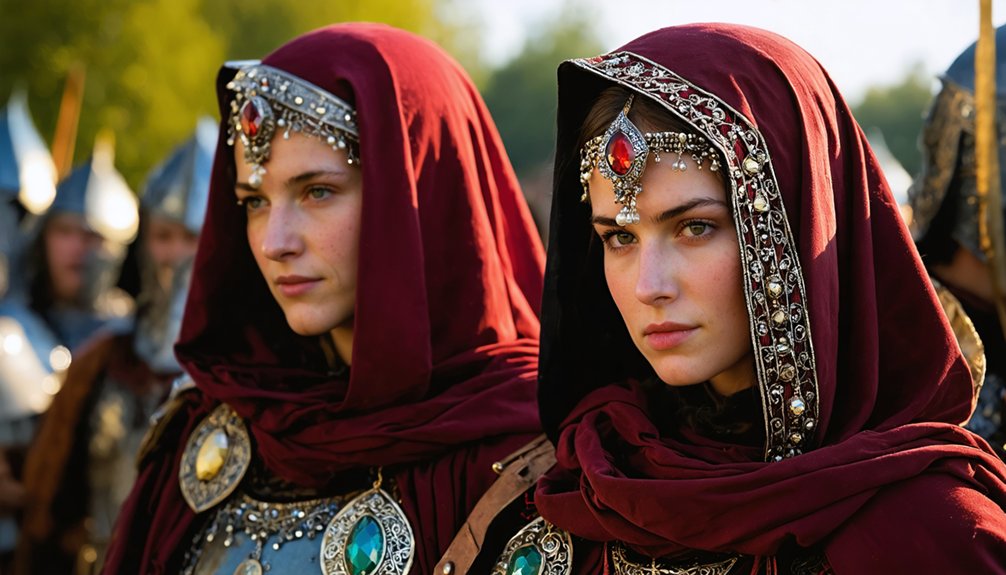
Completing your boots grounds the lower half of your costume, but jewelry and embellishments carry the social signaling that Renaissance dress depended on so heavily. Jewelry symbolism operated through material and placement: nobles wore gold, garnets, and pearls at the collar and cuffs, while working-class characters used simple iron or copper rings sparingly.
Merchants favored modest silver with engraved motifs suggesting commerce or travel. Fae and mystical archetypes support embellishment techniques like wire-wrapped stones, layered pendants, and woven cord bracelets that suggest craft origin. Witches benefit from asymmetrical placement and botanical motifs.
Avoid plastic or rhinestones regardless of character type. Match every decorative element to your established archetype, keeping the total count low. Fewer, well-chosen pieces communicate period authenticity far more effectively than quantity.
How to Stay Comfortable in Your Renaissance Costume All Day
Though jewelry and embellishments complete the visual story of your costume, comfort determines how long you can sustain it. Prioritize fabric durability when selecting materials, since breathable natural fibers like linen and cotton regulate temperature effectively during long outdoor events. Synthetic alternatives trap heat and restrict movement, undermining both authenticity and endurance.
Layer strategically so you can adapt to shifting weather without dismantling your look.
Choose historical footwear with adequate sole support, since Renaissance fairs involve hours of walking across uneven terrain. Decorative boots may look period-accurate, but they’ll compromise your experience if they lack cushioning.
Keep your silhouette functional by securing loose elements with sturdy belts rather than pins or ties that shift throughout the day. Comfort and authenticity aren’t mutually exclusive — deliberate construction achieves both.
Frequently Asked Questions
Can Couples Coordinate Their Renaissance Fair Costumes as Matching Character Archetypes?
Surprisingly, matching costumes don’t require identical outfits. You can coordinate character archetypes like knight and noble or witch and merchant, letting complementary roles, shared color palettes, and unified fabric choices create a visually cohesive, narratively compelling couple’s ensemble.
Are Renaissance Fair Costumes Appropriate for Children Attending the Event?
Yes, Renaissance fair costumes are absolutely appropriate for children. You’ll want to prioritize children’s costume safety and age-appropriate attire by selecting comfortable, natural fabrics, simple silhouettes, and avoiding sharp accessories that could pose hazards during active exploration.
How Far in Advance Should You Start Planning Your Renaissance Fair Costume?
Don’t wait until the last minute — start planning two to three months ahead. This timeline guarantees historical accuracy, allows sourcing quality materials for costume durability, and gives you room to refine innovative layering choices thoughtfully.
Can Renaissance Fair Costumes Be Worn to Other Themed Events or Conventions?
Yes, you can repurpose your Renaissance costume for medieval, fantasy, or historical conventions by adjusting your accessory choices and historical accuracy to align with each event’s specific thematic requirements and audience expectations.
Is Face Paint or Period-Inspired Makeup Appropriate for Renaissance Fair Attendees?
Over 60% of fair attendees incorporate makeup. Yes, face paint and period-inspired makeup enhance historical accuracy and costume creativity. You can apply subtle, earth-toned cosmetics or theatrical designs that authentically reinforce your character archetype without disrupting your Renaissance aesthetic.
References
* https://es.wukihow.com/wiki/Dress-for-the-Renaissance-Fair