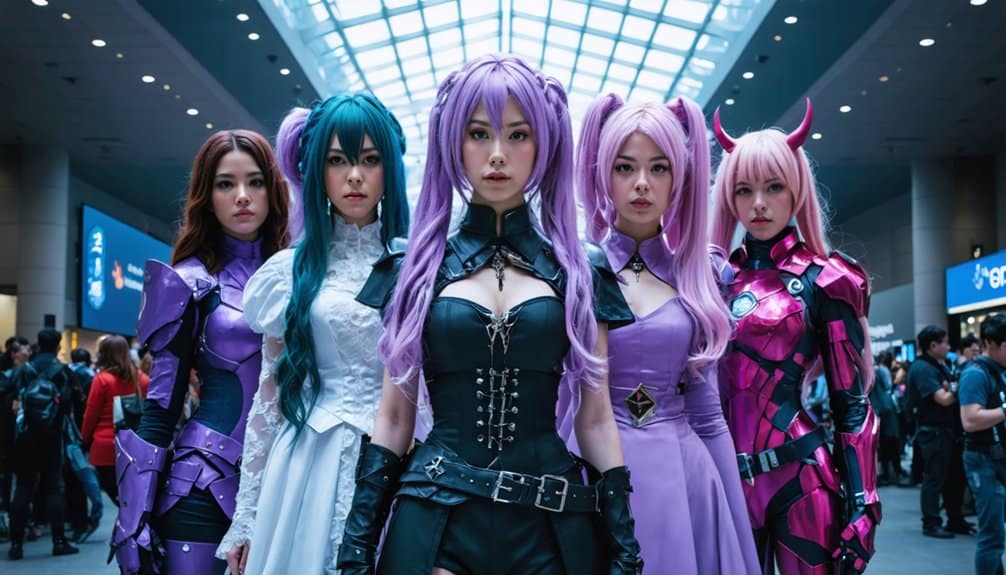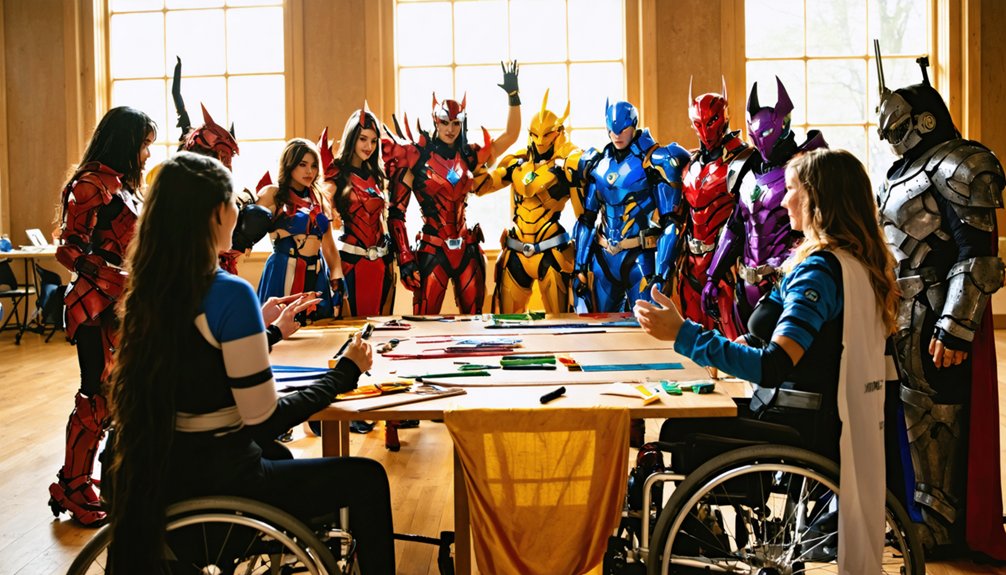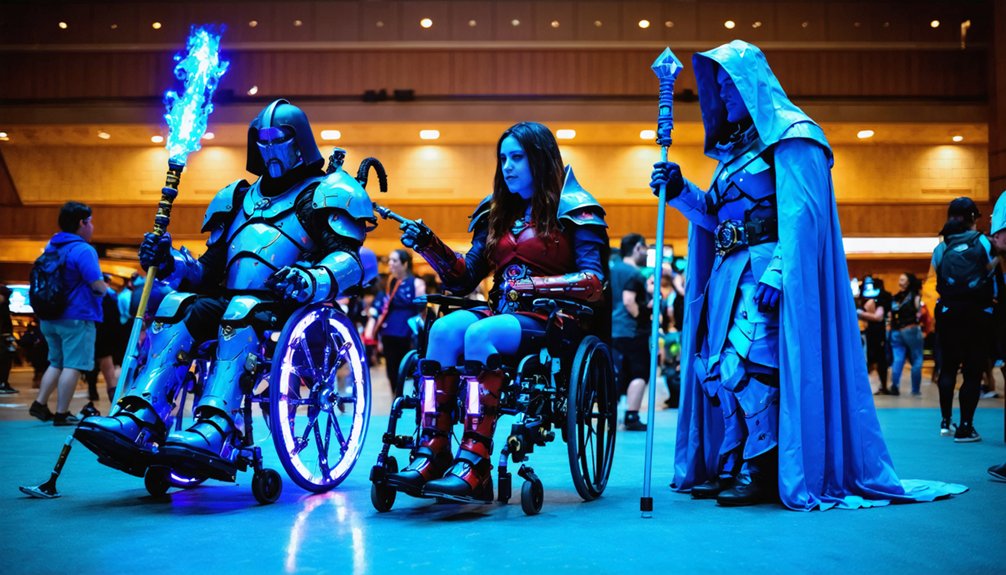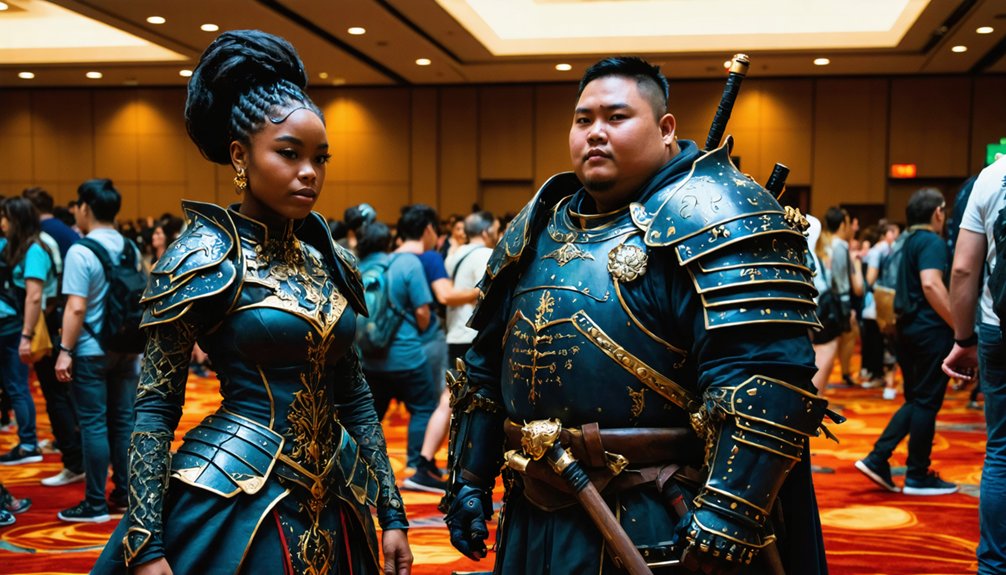
If you’re looking for the best resources for diverse cosplayer representation, you’ve got plenty of powerful options. Social media platforms like Instagram and TikTok amplify underrepresented creators through hashtag campaigns like #BlackCosplayersRock and #28DaysOfBlackCosplay. Discord servers connect you with communities sharing your identity and challenges. Body-inclusive suppliers, cultural research forums, and convention panels focused on intersectionality all help you cosplay authentically and confidently. Keep exploring to discover everything these communities have to offer.
Key Takeaways
- Hashtag campaigns like #BlackCosplayersRock and #28DaysOfBlackCosplay create searchable, supportive spaces amplifying marginalized cosplayers’ visibility online.
- Discord servers offer specialized communities with cultural exchange, mentorship, critique sessions, and resources tailored to underrepresented cosplayers.
- Body-inclusive suppliers like Arda Wigs, Hero’s Hoard, and Etsy creators provide extended sizing and custom-fitted costume pieces.
- Crowdfunding platforms like GoFundMe and Ko-fi, plus community material swaps, help reduce financial barriers for diverse cosplayers.
- Convention panels on intersectional identity and cultural accuracy offer networking, mentorship, and practical guidance from BIPOC, disabled, and LGBTQ+ cosplayers.
Social Media Platforms That Amplify Diverse Cosplayers
Social media platforms have become some of the most powerful tools for amplifying diverse cosplayers, giving underrepresented creators a direct path to visibility without needing gatekeepers. When you share your work on Instagram, TikTok, or Twitter, hashtag campaigns connect you with communities actively challenging cosplay stereotypes and redefining who gets to be seen.
These platforms reward costume accuracy and creativity equally, meaning your cultural authenticity can shine without compromise. You’ll find accounts dedicated to BIPOC cosplayers, plus-size creators, disabled artists, and LGBTQ+ communities — all building spaces where your identity strengthens your craft rather than limits it.
Engage with these networks, join visibility contests, and follow creators who reflect your experience. Social media isn’t just a showcase; it’s your community’s front door.
Hashtag Campaigns and Contests Boosting Cosplayer Visibility
When you search hashtags like #BlackCosplayersRock or #DisabledCosplay, you’ll find thriving communities that make marginalized cosplayers visible and celebrated.
Many platforms host contests specifically spotlighting diverse creators, giving you opportunities to both compete and discover cosplayers whose identities reflect your own.
These campaigns actively push representation into broader feeds, so your participation—whether through posting, sharing, or voting—directly strengthens community visibility.
Hashtags Amplifying Marginalized Cosplayers
Hashtag campaigns have become one of the most accessible tools for lifting up marginalized cosplayers across social media platforms. When you use tags like #BlackCosplayersRock or #DisabledCosplay, you’re joining creative collaborations that challenge narrow industry standards and demand broader visibility.
These movements help you discover cosplayers whose work reflects diverse identities rarely centered in mainstream fandom spaces.
Beyond visibility, hashtag communities often share practical knowledge about ethical sourcing for culturally specific materials, helping you make informed, respectful costuming decisions. They connect you with vendors, creators, and mentors who understand your needs.
You don’t need a massive platform to contribute. Sharing, tagging, and engaging authentically amplifies voices that deserve recognition. These campaigns remind the cosplay community that representation isn’t optional—it’s foundational to building genuinely inclusive spaces.
Contests Spotlighting Diverse Creators
Contests designed to spotlight diverse creators offer you something hashtag campaigns alone can’t always provide—structured recognition that translates visibility into real opportunity. When competitions actively center marginalized cosplayers, they validate creative storytelling and character development as legitimate artistic disciplines, not just hobby pursuits.
Look for contests that prioritize judges from underrepresented communities, award categories reflecting diverse identities, and prize structures supporting future projects.
Competitions hosted by inclusive fandoms or conventions often amplify winners through official channels, extending your reach well beyond a single post.
You’ll also find that entering these spaces connects you to mentors and collaborators who understand your experience. That network builds lasting momentum, helping you grow creatively while contributing to a cosplay culture where everyone’s craft genuinely counts.
Campaigns Driving Community Visibility
Visibility campaigns give your cosplay a platform that extends far beyond your immediate following. Hashtag campaigns like #28DaysOfBlackCosplay and #DisabledCosplayers create searchable spaces where underrepresented creators gain real traction. You’re not just posting a photo — you’re joining a movement that challenges narrow representation norms.
Community engagement strengthens these campaigns when participants actively share, comment, and amplify each other’s work rather than simply broadcasting their own. Tag your sources, credit your inspirations, and practice ethical sourcing by acknowledging the cultural origins behind your costume choices.
Contests tied to these campaigns reward creativity while building peer networks that last beyond any single event. When you participate authentically, you help shift visibility from performative gestures toward genuine, sustained inclusion — making the cosplay space more welcoming for everyone who enters it.
Discord Servers Built for Underrepresented Cosplay Communities
Discord servers built for underrepresented cosplay communities give you direct access to people who share your identity, interests, and challenges. These spaces prioritize community mentorship, connecting newer cosplayers with experienced creators who understand the specific hurdles of cosplaying outside mainstream representation.
Within these servers, you’ll find channels dedicated to cultural exchange, where members share research, techniques, and feedback rooted in lived experience. That kind of peer knowledge is difficult to replicate elsewhere.
Many servers also organize group builds, critique sessions, and resource sharing that reduce both financial and creative barriers. You’re not just gaining followers — you’re building real relationships with people invested in your growth.
Searching platforms like Discord’s discovery tools or community hashtags can help you find servers aligned with your identity and cosplay goals.
Body-Inclusive Costume Suppliers for Every Size
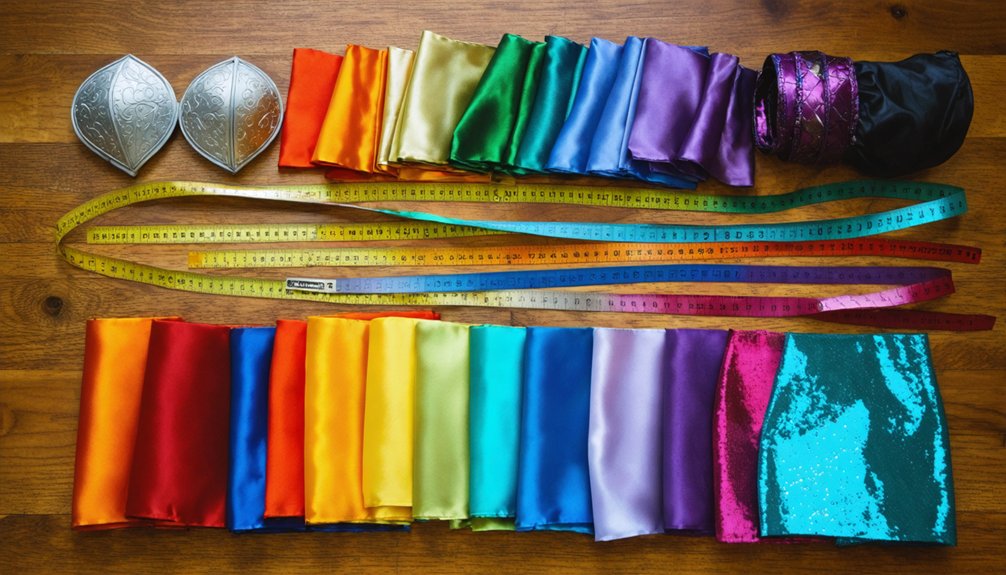
Community connections give you footing, but finding the right costume suppliers can make or break your build. Body positivity in cosplay means you deserve options that fit your actual measurements, not altered scraps from limited stock.
The right costume suppliers don’t just complete your build—they affirm that your measurements deserve to exist in the first place.
Fortunately, size inclusivity is expanding across the supplier landscape. Retailers like Arda Wigs, Hero’s Hoard, and Cosplay Shopper offer extended sizing with detailed measurement guides. Etsy creators frequently make custom-fitted pieces across all body types, giving you direct access to makers who’ll work with your specs.
When researching suppliers, filter specifically for custom sizing options and read community reviews from cosplayers with similar builds.
Inclusive fit isn’t a bonus feature—it’s a baseline expectation. Prioritizing suppliers who meet that standard pushes the entire industry toward better, more innovative representation for everyone.
Financial Aid and Mentorship Programs for BIPOC Cosplayers
Finding quality suppliers is one piece of the puzzle, but financial barriers and lack of mentorship can still push BIPOC cosplayers out of spaces they belong in. That’s where financial mentorship and BIPOC scholarships step in to close the gap.
Organizations like the Cosplay Community Fund and various convention-based grant programs offer direct financial support for materials, travel, and event access. You’ll also find mentorship networks pairing emerging BIPOC cosplayers with experienced creators who share practical skills, industry connections, and encouragement.
Platforms like GoFundMe and Ko-fi let communities crowdfund your costume projects too. Seek out Discord servers and social media groups specifically supporting BIPOC creators—they’re often the first to share new scholarship opportunities, workshops, and collaborative resources designed with your growth in mind.
Crowdfunding and Community Workshops to Offset Cosplay Costs
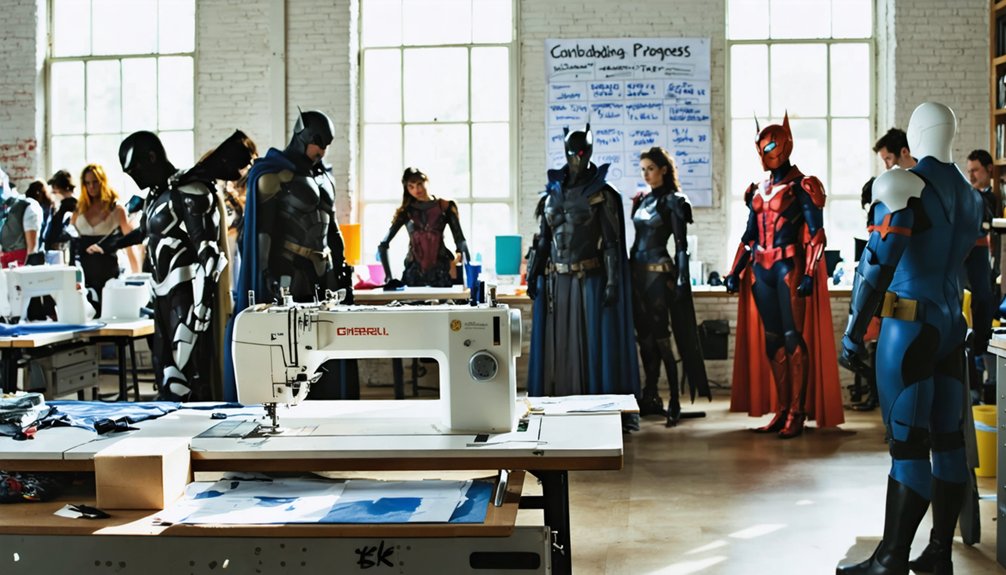
Beyond scholarships and mentorship, crowdfunding and community workshops give you even more ways to make cosplay financially workable. Creative fundraising platforms like GoFundMe or Ko-fi let you share your vision directly with supporters who genuinely want to see you succeed.
Skill building workshops hosted by local cosplay groups or online communities cut material and learning costs considerably.
Here’s what these resources offer you:
- Crowdfunding campaigns that connect your story to fans willing to fund your build
- Virtual and in-person workshops teaching prop-making, sewing, and armor construction affordably
- Community material swaps reducing what you spend on fabrics and supplies
You don’t have to navigate cosplay costs alone. These tools make participation more equitable, innovative, and creatively fulfilling for everyone.
Cultural Cosplay Research Resources and Communities
When you’re cosplaying a character rooted in a culture that isn’t your own, research isn’t optional—it’s a core part of respectful representation. Cultural sensitivity starts with seeking out voices from the source community itself—not just Wikipedia overviews.
Look for cultural cosplay forums, subreddits, and Discord servers where members actively discuss ethical representation and historically accurate construction. Platforms like Amino host culture-specific cosplay communities where you can ask questions and receive direct feedback.
YouTube creators and Instagram educators from those communities often break down symbolism, textiles, and traditional details you’d otherwise miss.
Before finalizing any design, cross-reference multiple sources and prioritize community-created content. Ethical representation means listening first, creating second—and always crediting the cultural roots behind your work.
Representation-Focused Convention Panels Worth Attending
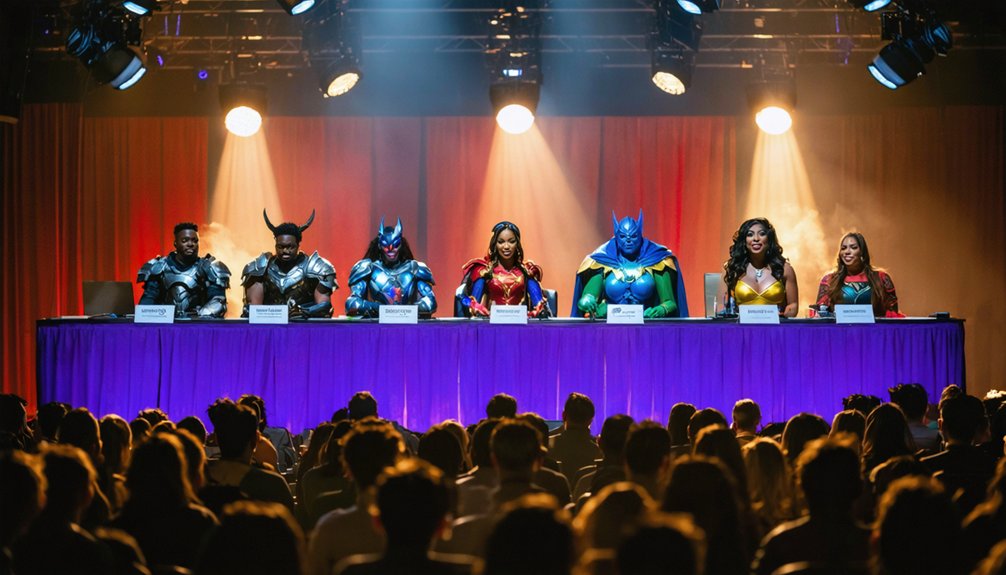
Convention panels focused on representation give you direct access to cosplayers, creators, and advocates who share your experiences and values.
When you’re searching for these panels, look for titles covering topics like intersectional identity, cultural accuracy, body inclusivity, and anti-harassment practices.
Once you’ve found the right panels, come prepared with questions, take notes, and connect with speakers afterward to get the most from your time there.
Finding Representation-Focused Panels
Representation-focused panels at conventions can be some of the most energizing spaces you’ll find, offering practical guidance, peer connection, and honest dialogue that broader programming rarely delivers. You can locate these panels by checking convention schedules early and filtering by keywords like diversity, identity, or inclusion. Many events also share programming through their Discord servers or social media before doors open.
Look for panels covering:
- Creative techniques and costume durability tailored to underrepresented body types and cultural aesthetics
- Discussions led by BIPOC, disabled, or LGBTQ+ cosplayers sharing first-hand insight
- Workshops connecting you to mentors and community networks beyond the convention floor
Don’t wait until the day of the event. Follow convention accounts now so you’re first to know when representation-centered programming drops.
Key Topics Panels Cover
Panels that center representation tend to cover ground you won’t easily find in general programming, and knowing what to expect helps you choose the ones worth your time. You’ll often encounter discussions on avoiding cultural stereotypes, achieving costume accuracy while honoring a character’s origins, and steering fandom spaces as a marginalized cosplayer.
Many panels address intersectionality directly, exploring how race, body type, disability, and gender shape your cosplay experience. You’ll also find practical conversations about sourcing inclusive materials, building community support, and responding to harassment.
Panelists frequently share personal stories that reflect real challenges and creative breakthroughs. These sessions aren’t just informational—they’re spaces where you can ask questions, connect with peers, and leave feeling seen, equipped, and genuinely part of the broader cosplay community.
Maximizing Your Panel Experience
Getting the most out of representation-focused panels means showing up with intention, not just curiosity. Come ready to listen, engage, and build real connections that extend beyond the convention floor. These spaces thrive on creative collaboration, so bring your questions, your ideas, and your openness to learning.
Here’s how to make every panel count:
- Take notes on panelists’ recommended resources, including communities, creators, and cultural appreciation guides you can explore after the event.
- Introduce yourself to speakers and attendees—networking here often leads to mentorship and collaborative projects.
- Follow up digitally by joining Discord servers or social groups mentioned during discussions.
You’ll walk away not just informed, but genuinely connected to a community that’s actively reshaping what cosplay looks like for everyone.
Accessible Convention Spaces for Disabled and Neurodivergent Cosplayers
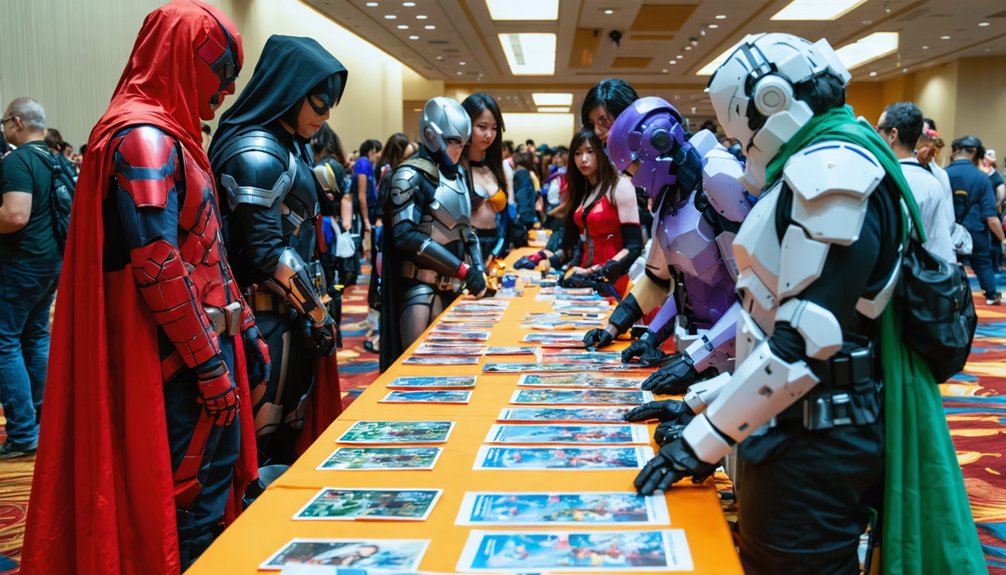
When conventions prioritize accessibility, they open the door for disabled and neurodivergent cosplayers to participate fully rather than navigate spaces that weren’t built with them in mind. Look for events offering sensory accommodations like quiet rooms, reduced-stimulation hours, and clear signage—these features signal that organizers genuinely value your experience.
Accessibility advocacy organizations, such as Accessibility Ally and similar convention-focused groups, actively push events toward meaningful structural change. You can support and benefit from their work by following their convention reviews and recommendations before purchasing tickets.
Practical features worth researching include mobility-friendly floor plans, ASL interpretation at panels, and flexible badge pickup options. When you choose events that center these needs, you’re also signaling to organizers that accessibility isn’t optional—it’s essential for a truly inclusive cosplay community.
Anti-Harassment Policies That Make Inclusive Cosplay Events Safer
Accessible spaces mean little if you don’t feel safe once you’re inside them. Strong anti-harassment policies transform conventions from crowded rooms into genuine community. Harassment prevention works best when it’s built into event structure, not added as an afterthought.
Look for events that offer:
- Zero-tolerance policies covering race, gender, disability, and cultural discrimination
- Safe reporting channels that are confidential, accessible, and easy to use on-site
- Trained staff who respond to conflicts with cultural sensitivity and accountability
When organizers publish transparent consequences and actively moderate behavior, trust grows. You deserve spaces where your identity isn’t a liability. Supporting conventions that prioritize these standards pushes the entire cosplay community toward something more innovative, more equitable, and genuinely safer for everyone.
Frequently Asked Questions
How Does Cosplay Function as a Form of Identity Expression?
You’re expressing your personal identity every time you cosplay—it’s more than costumes. You embody characters that reflect your values, experiences, and cultural expression, transforming fandom into a powerful, innovative way to claim visibility and belonging.
Can Cosplay Serve as an Act of Resistance Against Mainstream Media?
Yes, you can absolutely “rewrite the narrative” through cosplay! When mainstream media’s influence falls short on cultural authenticity, you’re actively challenging those gaps, celebrating underrepresented identities, and transforming your costume into a powerful, visible statement of belonging.
What Intersectional Identities Are Commonly Represented Within Cosplay Communities?
You’ll find that intersectional identities within cosplay communities commonly include race, ethnicity, religion, body type, gender, sexuality, and disability. Through cultural representation, you’re embracing a vibrant, evolving space where every identity authentically belongs and thrives.
How Does Diverse Source Media Strengthen Overall Cosplay Representation Growth?
When source media expands its characters, you’ll find more room for cultural authenticity in your builds. Diverse stories fuel creative collaboration, letting you connect deeply with characters that truly reflect your identity and inspire innovation.
How Can Underrepresented Cosplayers Avoid Tokenization in Decision-Making Roles?
You can avoid tokenization by demanding inclusive collaboration over symbolic seats. Push for shared decision-making power, challenge cultural appropriation policies together, and guarantee your community’s voice shapes outcomes—not just represents a quota in someone else’s agenda.
References
- https://folklife.si.edu/magazine/cosplay-community
- https://blog.anthonythomas.com/who-are-todays-cosplay-makers-statistics-and-demographics
- https://www.reddit.com/r/CosplayHelp/comments/1jk78fy/advice_needed_finding_community_in_cosplay_again/
- https://starstruckpanda.com/celebrating-cultural-diversity-through-cosplay-representation/
- https://starstruckpanda.com/promoting-cultural-diversity-in-cosplay/
- https://cosplayfoundry.org/
- https://mars.gmu.edu/server/api/core/bitstreams/1565b4a0-daf9-4e6b-b882-7338d4b5523a/content
- https://www.wgi.org/inclusive-costuming-resources/