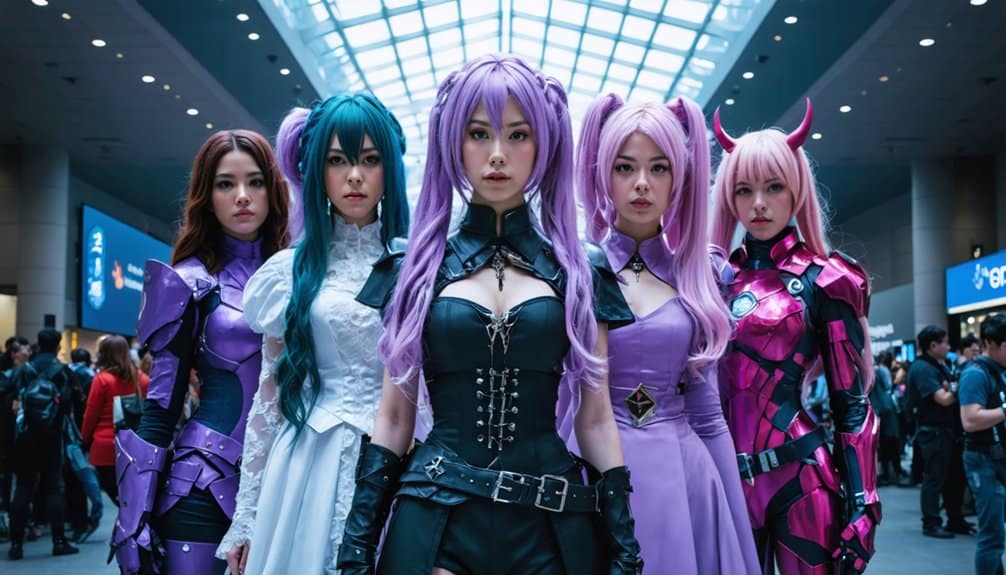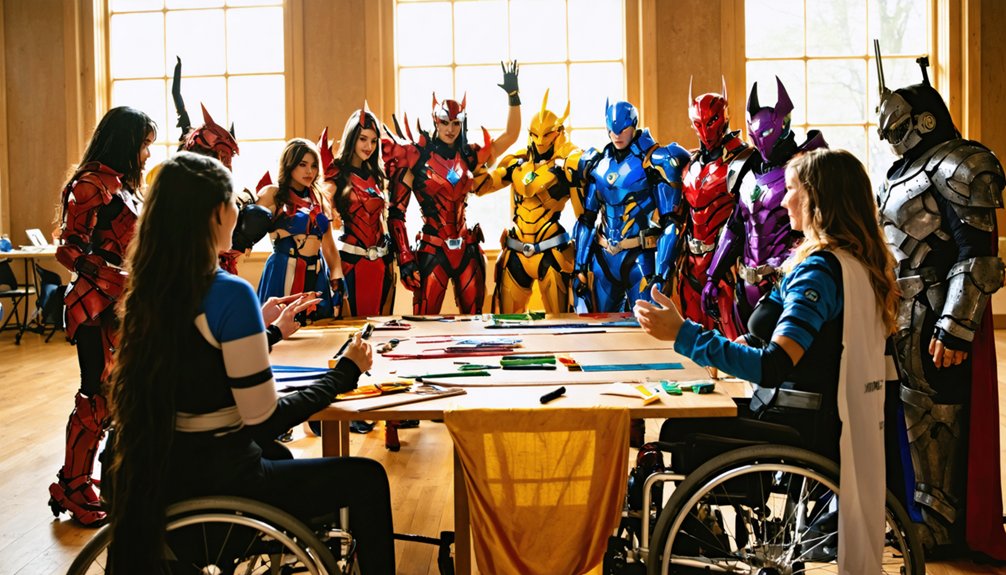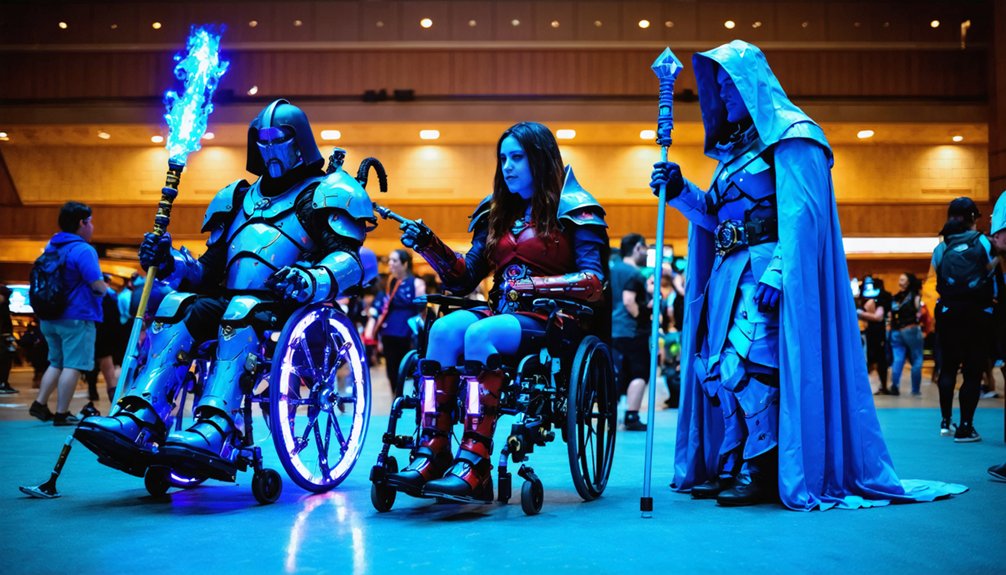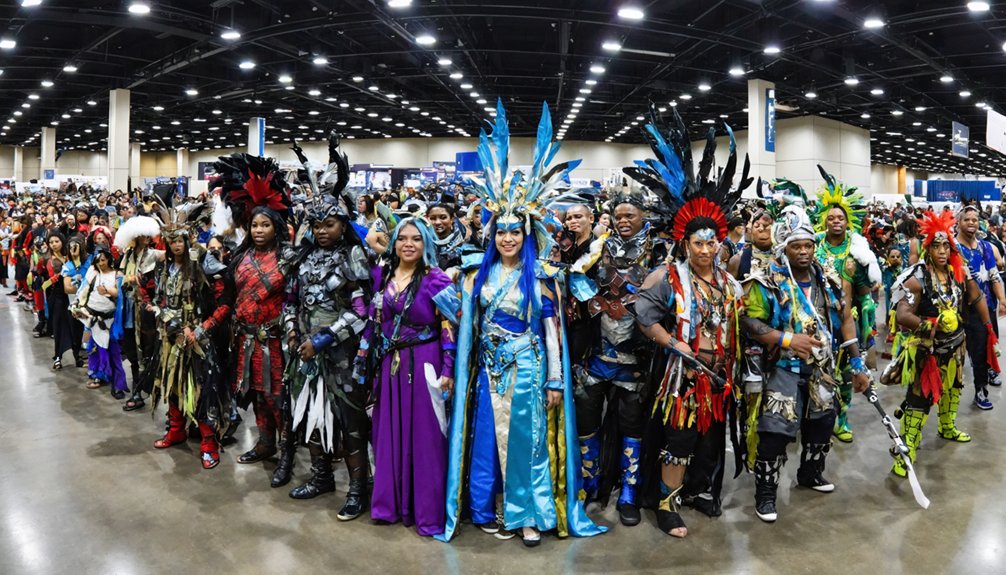
When you cosplay, you do more than wear a costume — you signal to others that they belong here too. Celebrating cultural diversity through cosplay means honoring design, understanding symbolism, and lifting up underrepresented voices with intention and respect. You can challenge narrow beauty standards, disrupt stereotypes, and expand what authenticity truly means in creative spaces. Whether you’re crossplaying, mashing up styles, or representing your own identity, your cosplay carries real power — and there’s much more to explore ahead.
Key Takeaways
- Cosplay celebrates cultural diversity by normalizing diverse bodies, ethnicities, and gender expressions, expanding authenticity beyond rigid, exclusionary standards.
- Respectful cosplay involves researching cultural symbols, avoiding stereotypes, and engaging directly with community voices before finalizing interpretations.
- Gender-swapped, crossplay, and mash-up cosplay thoughtfully honor original aesthetics while celebrating personal identity without erasing cultural roots.
- Social media platforms amplify underrepresented cosplayers through hashtag campaigns, contests, and grants, reducing financial and visibility barriers.
- Workshops, mentorship programs, and cultural panels foster genuine understanding, connecting diverse cosplayers with experienced creators and community resources.
Why Cosplay Representation Matters Beyond Accuracy
When you walk into a convention hall and see someone who looks like you bringing a beloved character to life, something shifts — representation in cosplay runs deeper than costume accuracy. It signals that you belong in creative spaces, regardless of your background, body type, or identity.
Cosplay’s power lies in how it blends cultural authenticity with bold artistic interpretation. You’re not just replicating a design — you’re bringing your lived experience into it. That’s where real innovation happens.
When communities celebrate diverse portrayals — gender-swapped, cross-cultural, or reimagined — they expand what cosplay can mean. You don’t need to mirror a character exactly to honor them. You need to show up, make it yours, and remind others that these spaces are built for everyone.
How Cosplay Creates Visibility for Marginalized Identities
Visibility is what turns representation into impact. When you show up in cosplay as a character who reflects your identity, you’re reshaping who belongs in creative spaces.
Visibility transforms representation into real impact — your presence in cosplay reshapes who belongs in creative spaces.
Costume authenticity signals respect, while avoiding cultural stereotypes ensures marginalized communities feel seen rather than caricatured.
Cosplay creates visibility by:
- Normalizing diverse bodies, ethnicities, and gender expressions in shared creative environments
- Challenging narrow beauty standards through gender-swapped and crossplay interpretations
- Amplifying underrepresented voices when cosplayers from marginalized backgrounds share their work publicly
- Disrupting cultural stereotypes by portraying ethnic heroes with accuracy and care
- Expanding what costume authenticity means beyond rigid, exclusionary definitions
You don’t need permission to see yourself in the characters you love. Showing up boldly is itself a powerful act of cultural celebration.
Cultural Appreciation vs. Appropriation in Cosplay
When you cosplay a character rooted in a specific culture, the line between appreciation and appropriation comes down to intent, research, and execution.
You show appreciation when you respect a character’s design, learn the meaning behind cultural symbols, and avoid reducing a culture to a costume.
Steering clear of stereotypical accents, caricatures, and sexualized portrayals keeps your cosplay grounded in respect rather than harm.
Recognizing Appreciation Versus Appropriation
Distinguishing cultural appreciation from appropriation in cosplay isn’t always straightforward, but it’s a distinction worth understanding. Cultural sensitivity starts with intent, research, and genuine respect for a character’s origins.
Creative reinterpretation is welcome — but it shouldn’t erase or distort a culture’s identity.
Ask yourself:
- Did you research the cultural significance behind the costume’s symbols and design?
- Are you honoring the character’s aesthetic rather than reducing it to a stereotype?
- Are you acknowledging the culture’s origins publicly and respectfully?
- Are you avoiding exaggerated accents, mockery, or sexualized distortions of cultural identity?
- Are you engaging with community voices from that culture before finalizing your portrayal?
These questions help you move from passive assumption to informed, meaningful cosplay that uplifts rather than harms.
Researching Cultural Significance Respectfully
Before you bring a culturally specific character to life, doing your research isn’t optional — it’s foundational. Understanding cultural symbolism means going beyond aesthetics — it means learning what colors, patterns, and motifs actually communicate within their source culture. Traditional attire often carries historical, spiritual, or social meaning that a surface-level glance won’t reveal.
Start by engaging directly with community voices, academic sources, and firsthand accounts. Ask yourself whether your interpretation honors the character’s roots or flattens them into a costume. Seek out creators and cosplayers from that culture — their insights are irreplaceable.
Respectful research transforms your cosplay from imitation into informed appreciation. It signals to others that you value the culture you’re drawing from, building trust and deepening the creative integrity of your work.
Avoiding Harmful Stereotypes and Caricatures
The line between cultural appreciation and appropriation in cosplay isn’t always obvious, but it becomes clearer once you understand what crosses it. Cultural stereotypes and costume caricatures distort real identities, reducing complex cultures to mockery. You can avoid this by staying true to a character’s actual design rather than amplifying exaggerated traits.
Watch for these red flags in your cosplay choices:
- Mimicking accents or mannerisms that mock ethnic groups
- Sexualizing traditionally modest cultural garments
- Exaggerating physical features tied to racial identity
- Using sacred symbols as decorative accessories
- Choosing “themed” costumes over actual characters from that culture
Respectful cosplay acknowledges origins, recognizes historical power dynamics, and centers the humanity of the culture you’re drawing from. Accuracy and sensitivity aren’t opposites—they work together.
How to Research a Character’s Cultural Roots Before You Cosplay
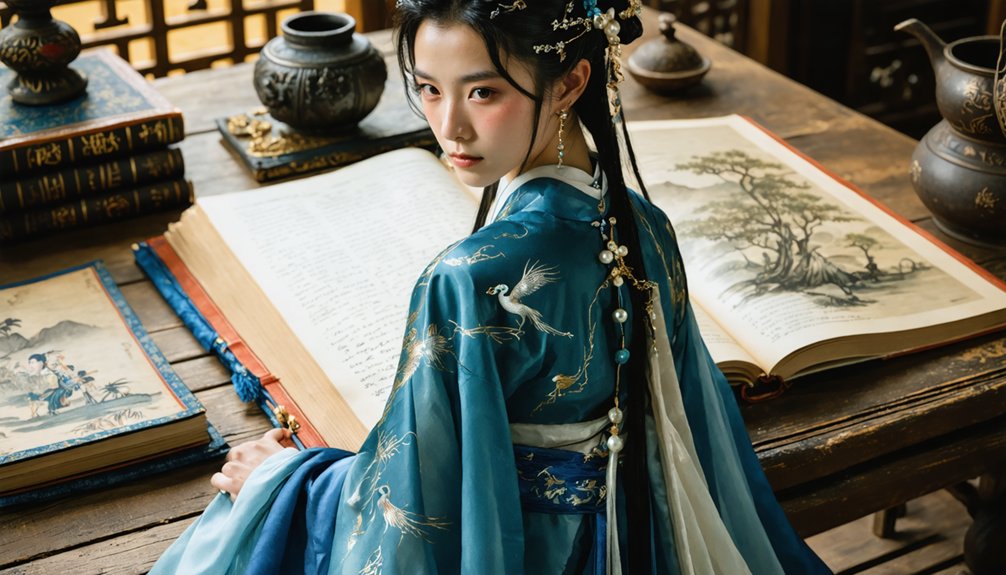
Researching a character’s cultural roots before you cosplay them isn’t just a courtesy — it’s how you make sure your costume honors rather than distorts the identity it represents.
Start by exploring the character’s origin story, the culture that inspired their design, and any traditional attire they wear.
Don’t stop at surface-level aesthetics — dig into the symbolic meanings behind colors, patterns, and accessories.
Seek out voices from within the source culture through articles, documentaries, and community forums.
Cross-reference multiple sources to avoid bias.
If you’re uncertain, reach out directly to cultural communities or join panels at conventions focused on representation.
The deeper your research, the more your cosplay becomes a thoughtful celebration rather than an unintentional distortion.
Gender-Swapped, Crossplay, and Mash-Up Cosplay Done Right
Gender-swapped, crossplay, and mash-up cosplay are some of the most creative and inclusive forms of self-expression in the community — and when done right, they celebrate identity rather than undermine it. These approaches thrive on creative reinterpretation, letting you reimagine characters beyond their original boundaries while honoring their core design.
Cultural fusion cosplay follows the same principle — blend thoughtfully, not carelessly.
Here’s how you do it properly:
- Honor the character’s original aesthetic before you remix it
- Avoid reinforcing stereotypes through exaggerated cultural or gender elements
- Research cultural symbols embedded in the costume design
- Celebrate your identity without erasing a character’s cultural roots
- Engage your community to ensure your interpretation feels respectful and inspired
Your creativity expands representation — use it intentionally.
What Do Inclusive Cosplay Events Actually Look Like?
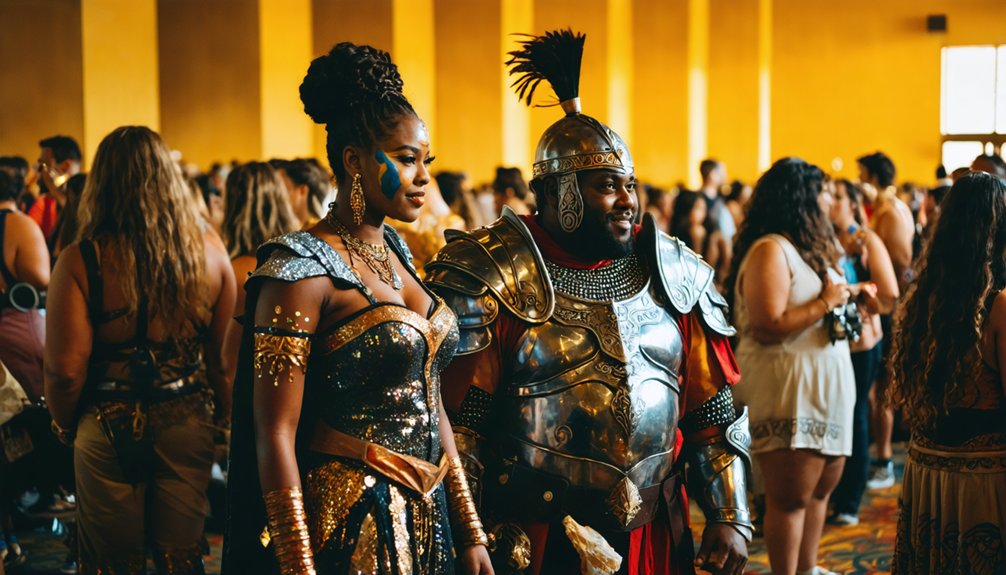
Inclusive cosplay events don’t happen by accident — they’re built intentionally, from the ground up. When you attend one, you’ll notice the difference immediately. Anti-harassment policies are clearly posted and actively enforced.
Accessibility features accommodate attendees with disabilities, both physically and socially. Panels on cultural sensitivity give you practical tools for managing costume choices respectfully.
Community engagement drives the programming, meaning underrepresented voices help shape the event itself — not just attend it. You’ll find contests that celebrate diverse interpretations, mentorship spaces connecting newcomers with experienced cosplayers, and outreach efforts that actively welcome people from marginalized backgrounds.
These events don’t just tolerate difference; they design around it. That shift — from passive acceptance to intentional inclusion — is exactly what transforms a convention into a genuine community.
Anti-Harassment Policies Every Cosplay Convention Needs
At the heart of every inclusive event is a policy framework that protects the people inside it. Strong anti-harassment policies aren’t optional—they’re foundational to cosplay etiquette and costume authenticity standards that respect everyone’s identity.
Your convention should include:
- Zero-tolerance rules against discrimination based on race, gender, disability, or cultural background
- Clear reporting channels that are accessible and confidential
- Trained staff equipped to handle cultural sensitivity conflicts
- Published guidelines outlining acceptable behavior before attendees arrive
- Accountability measures with consistent, transparent consequences
When you enforce these standards publicly, you signal that diverse cosplayers genuinely belong. Policies create the structure that turns good intentions into real protection—making your event a space where creative expression thrives without fear.
How Social Media Amplifies Diverse Cosplay Representation
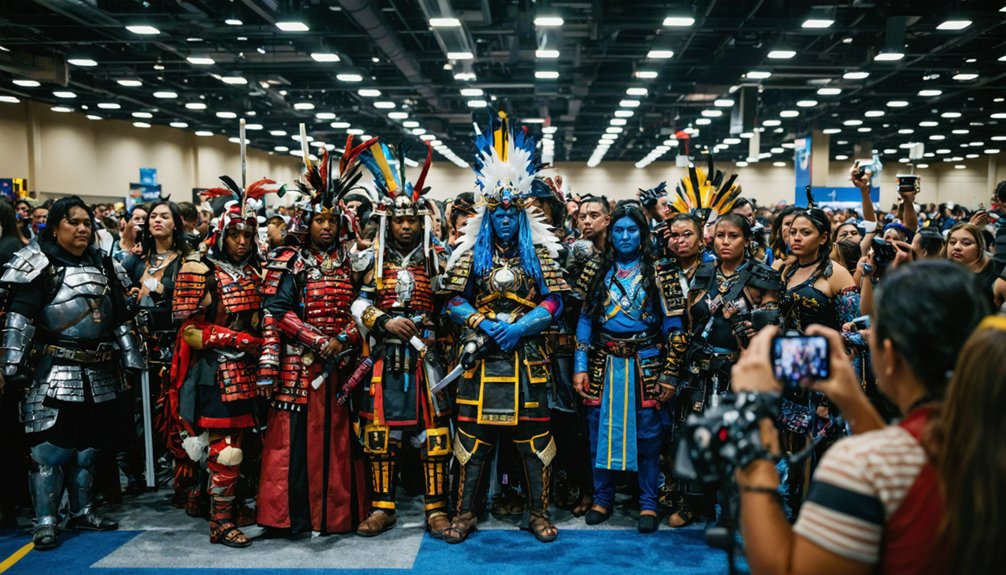
Social media has transformed how diverse cosplayers gain visibility, build community, and challenge narrow standards of representation. Platforms like Instagram, TikTok, and Twitter let you share your creative reinterpretation of beloved characters without gatekeeping from traditional convention spaces.
Hashtag campaigns and viral moments amplify cosplayers from underrepresented backgrounds, making their work impossible to ignore.
You’re also part of a broader cultural exchange when you engage with, share, and celebrate cosplayers whose identities differ from your own. That interaction builds cross-community understanding and pushes the fandom toward more equitable participation.
Contests, spotlights, and creator grants promoted through social media further reduce financial barriers. When you actively engage with diverse cosplay content, you help normalize broad representation and signal that every interpretation deserves a platform.
How Cosplay Workshops Build Lasting Cultural Awareness
Workshops and panels dedicated to cosplay bring cultural awareness to life in ways that online scrolling rarely can. Through cultural exchange and community engagement, you gain real understanding that transforms how you approach costume choices.
These spaces help you:
- Research garment meanings before incorporating culturally specific designs
- Hear directly from community members representing source cultures
- Challenge stereotypes through guided dialogue and honest feedback
- Explore inclusive interpretations like crossplay and mash-up cosplay styles
- Connect with mentors who model respectful, equity-focused creative practices
When you attend these workshops, you’re not just learning etiquette—you’re actively reshaping cosplay culture.
Events that prioritize diverse voices reduce misunderstanding and build lasting trust. Your participation makes these conversations stronger and helps create communities where everyone belongs.
Mentorship Programs and Grants That Fund Underrepresented Cosplayers
Mentorship programs and grants are opening doors for cosplayers who’ve historically faced financial and social barriers to full participation. If you’re from an underrepresented background, these resources connect you with experienced creators who share practical skills, cultural insight, and industry knowledge. You don’t have to navigate the community alone.
Grant opportunities are expanding too, funding costumes, convention access, and content creation for cosplayers who’d otherwise sit on the sidelines. Organizations focused on equity are actively prioritizing applicants from marginalized racial, ethnic, and disability communities.
When you pursue these programs, you’re not just advancing your own craft—you’re strengthening the broader cosplay ecosystem. Diverse voices push creative boundaries and challenge narrow standards of representation.
Seek out these opportunities, apply boldly, and encourage others in your community to do the same.
Frequently Asked Questions
How Can Cosplay Help Children Learn About Different World Cultures?
Beyond costumes and play, cosplay builds cultural awareness by immersing children in diverse characters’ stories. You’ll spark heritage appreciation as kids research traditions, symbols, and histories, transforming imaginative dress-up into meaningful cross-cultural learning experiences.
Are There Age Restrictions for Participating in Inclusive Cosplay Competitions?
Age eligibility varies by competition, so you’ll want to review each event’s participation guidelines carefully. Many inclusive cosplay competitions welcome all ages, offering youth, teen, and adult categories to guarantee everyone’s got a fair, celebrated opportunity.
Can Cosplay Professionally Advance Careers in Fashion or Costume Design?
Costume craftsmanship can absolutely catalyze career opportunities for you in fashion and costume design. You’ll build a bold, diverse portfolio showcasing your skills, opening doors to professional roles across entertainment, theater, and innovative design industries.
How Do Cosplay Communities Handle Disputes Between Members Offline?
When offline conflicts arise, you’ll find that cosplay communities typically use dispute resolution through direct dialogue, mentorship-led mediation, and clear event policies. You’re encouraged to engage respectfully, prioritizing inclusivity and mutual understanding across diverse cultural backgrounds.
What Mental Health Benefits Does Cosplay Participation Provide Individuals?
When you engage in cosplay, you’ll boost your mental wellness through creative self expression, building confidence and community belonging. You’re actively embracing your identity, reducing isolation, and finding joy through innovative, inclusive storytelling that celebrates who you truly are.
References
- https://authormorgansterling.com/blog/cosplay-for-everyone-celebrating-diverse-identities-and-creative
- https://www.thepopverse.com/cosplay-cultural-appropriation-cosplayers-costume
- https://starstruckpanda.com/cosplay-and-global-cultural-influences/
- https://www.numberanalytics.com/blog/cosplay-and-race
- https://learn.ganknow.com/course/cross-cultural-cosplay/