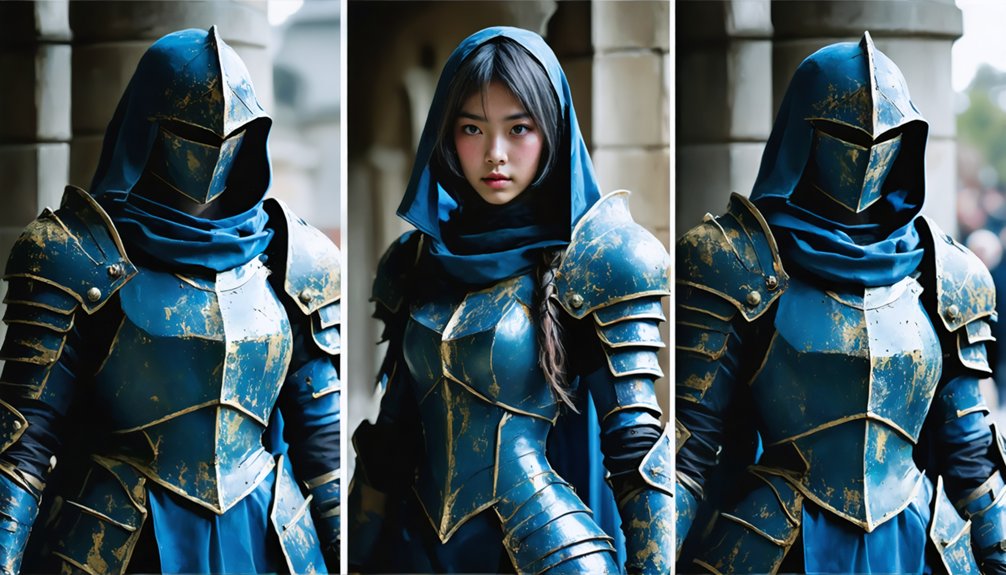
Character performance is essential in cosplay because it transforms your costume from a static visual into a living, breathing portrayal. You can craft the most accurate outfit in the room, but without intentional movement, emotional authenticity, and signature physical habits, you’re simply wearing clothes. Your posture, gestures, and facial expressions communicate personality and depth that no costume alone can convey. Stick around, and you’ll discover exactly how to bring your character fully to life.
Key Takeaways
- Character performance transforms a static costume into a dynamic, living portrayal through intentional movement, posture, and emotionally authentic reactions.
- Signature gestures, vocal traits, and physical habits ensure quick, accurate character recognition by audiences and competition judges.
- Emotional immersion shifts portrayal from surface mimicry to genuine presence, creating deeper audience engagement and connection.
- Consistent physical patterns and expressive choices reinforce character identity, making portrayals memorable and competitively distinguishable.
- Strong character performance signals dedication and professionalism, increasing chances of community appreciation and competition rewards.
Why Costume Alone Is Never Enough in Cosplay
While a meticulously crafted costume signals effort and attention to detail, it can’t carry a portrayal on its own. Costume craftsmanship and accessory integration establish visual credibility, but they only create the shell of a character.
A flawless costume builds credibility, but craftsmanship alone only ever creates the shell of a character.
Without performance, you’re presenting an outfit, not a living portrayal.
Audiences recognize characters through behavior, posture, and expression far more quickly than through construction quality alone. When you embody how a character moves, reacts, and holds tension in their body, you transform static costume craftsmanship into dynamic presence.
Accessory integration matters, but those details only resonate when supported by deliberate physical choices.
Performance gives your costume context and intention. It signals that you understand who the character is, not just what they wear. That distinction separates cosplay from simple dressing up.
How Character Performance Transforms a Costume Into a Portrayal
Once you move beyond the costume’s surface, performance becomes the mechanism that turns an outfit into a character. Every deliberate gesture, expression, and movement communicates personality traits that fabric alone can’t convey.
When you commit to imaginative storytelling through posture, vocal tone, and emotional presence, audiences stop seeing a costume and start recognizing a living portrayal.
Cultural authenticity deepens this transformation. Understanding your character’s psychological motivations and behavioral patterns allows you to embody their identity with precision rather than approximation.
You’re not mimicking appearances—you’re reconstructing a complete human or fictional presence.
This shift from static display to dynamic portrayal is where cosplay gains its real power. Performance bridges the gap between wearing a character and genuinely inhabiting one, making your portrayal memorable, convincing, and fully realized.
Which Performance Techniques Make Characters Most Recognizable?
When you incorporate a character’s signature gestures—a specific hand movement, a habitual stance, or a recurring physical tic—audiences identify who you’re portraying faster than any costume detail can achieve.
You reinforce that recognition further by matching the character’s vocal traits, including pitch, pacing, and accent, which anchor the portrayal in something deeply familiar to fans.
Together, these two techniques shift your performance from visual resemblance to genuine character presence.
Signature Gestures Aid Recognition
Signature gestures cut through visual noise faster than costume details ever will. When you commit to gesture consistency, audiences lock onto your character instantly. Expressive facial cues paired with deliberate movement create a recognition shortcut that no prop or fabric can replicate.
Prioritize these high-impact gestures:
- Idle stances — how your character stands when doing nothing
- Reaction expressions — instinctive facial responses to surprise, threat, or humor
- Trademark movements — recurring physical habits unique to the character
- Eye focus patterns — where and how your character directs their gaze
These elements work together to signal identity before anyone reads your costume details. Study your character’s source material obsessively, isolate their most recognizable physical habits, and rehearse until those gestures become automatic.
Precision here separates memorable portrayals from forgettable ones.
Vocal Traits Define Characters
Vocal traits land before costume details register — your character’s speech rhythm, pitch, and accent create instant recognition that fabric can’t replicate. A villain’s slow, deliberate cadence signals menace faster than any prop. A hero’s clipped urgency communicates resolve without a single facial expression shift.
Study your character’s audio carefully. Identify their pacing, tone breaks, and verbal tics, then rehearse until those patterns feel instinctive rather than performed. Pair vocal delivery with precise facial expressions — raised brows, jaw tension, or a controlled smirk — and you create layered communication that audiences register immediately.
Vocal control separates memorable portrayals from costume-only displays. When your voice matches your character’s established identity, spectators don’t just see the character. They believe one is actually standing in front of them.
How Emotional Immersion Sharpens Your Character Performance
Emotional immersion is what separates a convincing character performance from a costume display. When you commit to your character’s psychology, your expressions, movement, and presence shift naturally. Emotional authenticity isn’t performed—it’s felt first, then projected.
Deepen your psychological engagement by focusing on:
- Motivation – Know why your character acts, not just how they act
- Backstory – Let their history inform your posture and reactions
- Emotional arc – Track how they feel across key story moments
- Identity transference – Allow the costume to trigger genuine character mindset
When you internalize these elements, your portrayal moves beyond mimicry. Audiences feel the character’s presence because you’re not just wearing the role—you’re inhabiting it. That distinction elevates your entire performance.
What Strong Stage Presence Does for Your Character Portrayal

When you carry yourself with confident posture, you make your character instantly readable to anyone watching. Your body language does the heavy lifting, signaling personality, resolve, and emotional state before you speak a single word.
Strong stage presence isn’t about filling space—it’s about communicating who your character is through every deliberate movement and stance you hold.
Confident Posture Enhances Readability
Confident posture makes your character instantly readable before you speak a single word. Your body language communicates personality, status, and emotional state faster than any costume detail.
When you align your stance with your character’s psychology, audiences recognize who you’re portraying immediately.
Pair confident posture with precise facial expressions to reinforce character identity:
- Spine alignment signals authority or vulnerability depending on your character’s arc
- Weight distribution communicates aggression, hesitation, or dominance
- Shoulder positioning distinguishes confident heroes from defeated or wounded figures
- Head angle and eye focus project resolve, suspicion, or openness instantly
Each physical choice layers meaning onto your portrayal. Don’t leave posture to chance—study your character’s defining stances and rehearse them until they feel natural and automatic.
Presence Communicates Character Traits
Posture builds the foundation, but presence is what makes audiences believe the character is real. When you combine expressive facial cues with dynamic movement, you’re no longer wearing a costume — you’re embodying a personality.
Every glance, pause, and shift in weight communicates subtext that props and fabric simply can’t.
Strong stage presence tells spectators who your character is before you speak a single word. It signals emotional state, intention, and identity simultaneously.
You don’t achieve this through exaggeration; you achieve it through precision and intentionality.
Study your character’s psychological core, then let that understanding drive how you carry yourself, react, and move through space.
When presence and appearance align, your portrayal becomes convincing, complete, and genuinely memorable to everyone watching.
How Character Performance Earns Recognition in Competitions and Communities
Character performance is what separates a memorable competition entry from one that’s visually complete but emotionally flat. When you embody your character fully, you drive audience engagement beyond surface-level recognition. Judges and communities notice the difference immediately.
Strong performance earns recognition through:
- Behavioral accuracy – matching the character’s gestures, posture, and emotional range
- Creative improvisation – staying in character during unexpected moments without breaking presence
- Expressive consistency – sustaining micro-expressions and movement throughout the entire presentation
- Community fidelity – demonstrating clear understanding of the character’s identity and source material
These elements signal preparation and investment.
Communities increasingly reward cosplayers who interpret characters with both accuracy and innovation. You’re not just wearing a costume—you’re making the character exist in a shared space that others can recognize, feel, and remember.
Frequently Asked Questions
Can Beginners Learn Character Performance Without Prior Acting Experience?
Yes, you can absolutely learn character performance without prior acting experience. Start by studying your character’s mannerisms, pair them with costume accuracy, and gradually build improvisation skills through practice, observation, and confident, intentional expression.
How Long Does It Take to Fully Embody a New Character?
You’ll typically need two to four weeks of focused practice. Prioritize emotional expression and costume accuracy early, study your character’s psychology daily, and you’ll accelerate full embodiment faster than you’d expect.
Does Character Performance Differ Between Anime and Live-Action Source Material?
Yes, it differs markedly. With anime, you’ll exaggerate gestures and vocal expression to match stylized traits. Live-action demands subtler naturalism. In both cases, costume accuracy grounds your portrayal, but performance style must match the source’s visual language.
Can Introverted Cosplayers Still Deliver Convincing Character Performances Publicly?
Yes, you can deliver convincing performances even as an introvert. Channel your emotional authenticity into the character’s traits, and you’ll find that stage presence isn’t about extroversion—it’s about embodying deliberate, character-focused expression confidently.
Should Character Performance Change Depending on the Event Type Attended?
Yes, you should adapt your character performance to each event type. At competitions, prioritize costume accuracy and bold expression. At casual cons, focus on audience engagement through natural interaction, keeping your portrayal believable and consistently character-driven throughout.
References
- https://starstruckpanda.com/perfecting-character-performance-in-cosplay/
- https://dc.etsu.edu/cgi/viewcontent.cgi?article=5189&context=etd
- https://starstruckpanda.com/unleashing-character-potential-cosplay-performance-guide/
- https://starstruckpanda.com/best-character-traits-for-cosplay-performance/
- https://starstruckpanda.com/why-is-cosplay-key-to-vibrant-character-portrayal/
- https://starstruckpanda.com/understanding-the-psychology-of-character-accuracy-in-cosplay/
- https://thecelebportal.com/mastering-character-portrayal-a-guide-to-immersive-cosplay/
- https://journalofchinesesociology.springeropen.com/articles/10.1186/s40711-022-00168-z
- https://forestpuppets.com/data/guides/CC-BasicPerformance.pdf
- https://scholarworks.iu.edu/journals/index.php/cl/article/download/41753/44360/127986