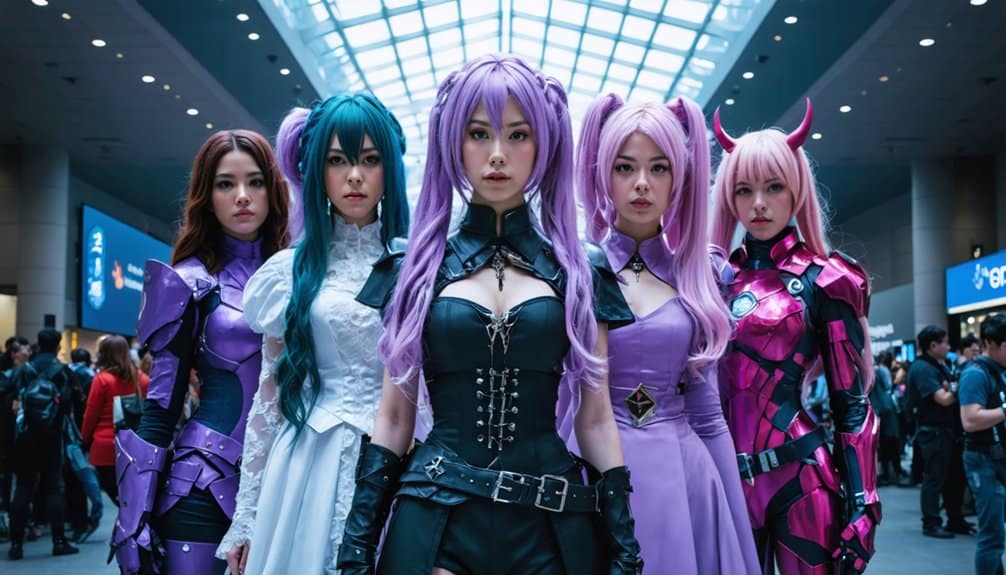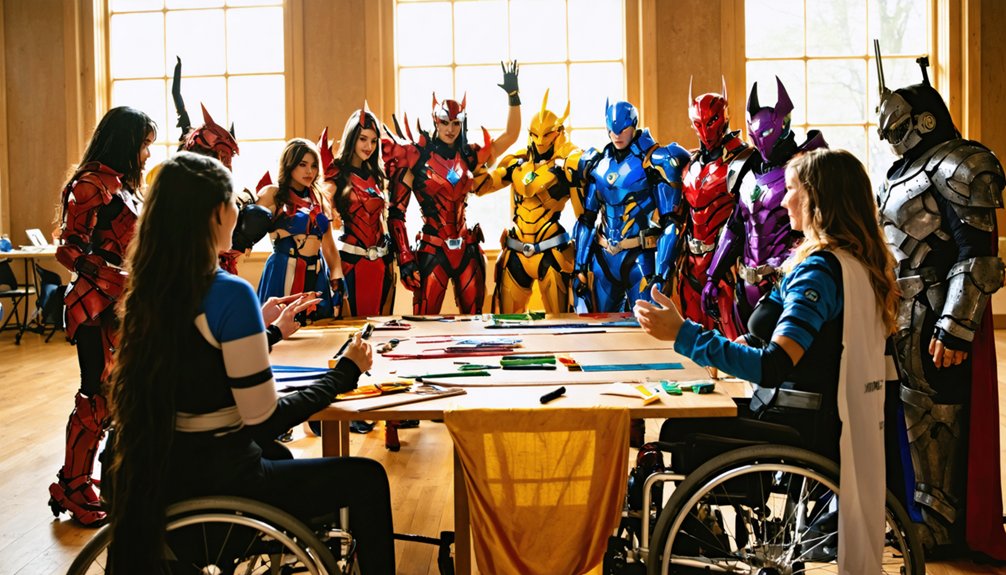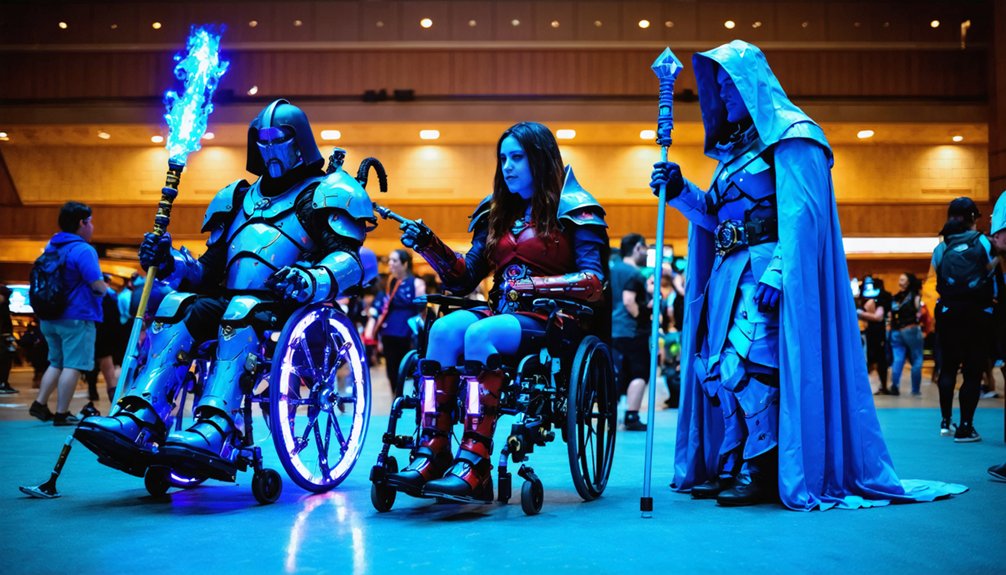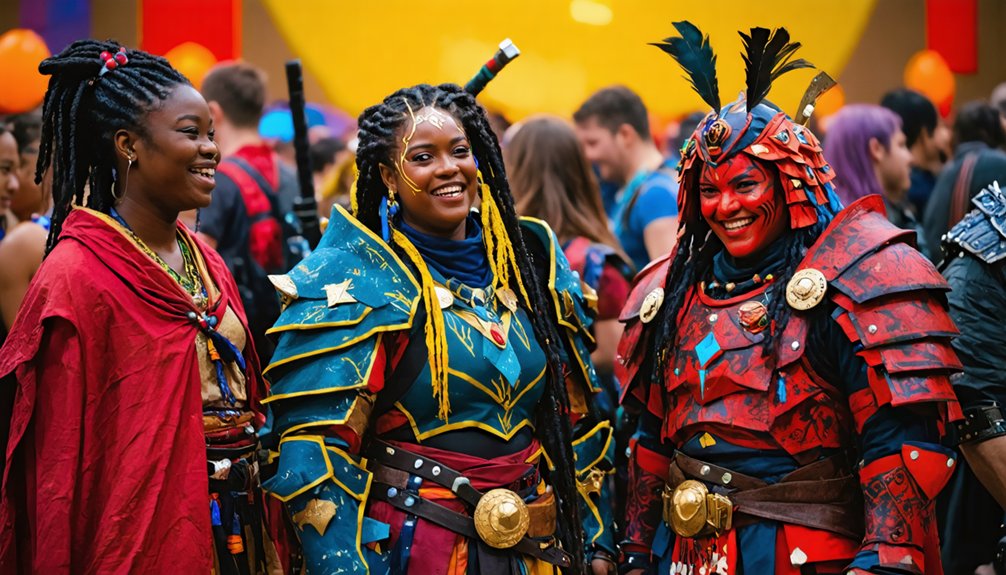
Cultural diversity in cosplay matters because it validates identities that mainstream media often overlooks. When you see yourself reflected in a character, it strengthens your sense of belonging within fandom spaces. Diverse cosplay also challenges stereotypes, normalizes varied expressions of beauty, and opens doors for meaningful cross-cultural dialogue. It transforms fan communities into spaces where everyone’s stories hold equal creative value. Keep exploring, and you’ll discover just how far this impact truly reaches.
Key Takeaways
- Cultural diversity in cosplay validates identities often overlooked by mainstream media, fostering a stronger sense of belonging within fandom spaces.
- Diverse cosplay normalizes varied beauty standards and challenges stereotypes about character ownership, heritage, and representation.
- Inclusive cosplay practices introduce audiences to unfamiliar traditions, sparking curiosity and meaningful dialogue about different cultures.
- Social media amplifies diverse cosplay globally, shaping the evolution of fandom and strengthening community connections.
- Embracing cultural diversity drives creative collaboration, expands character interpretations, and enriches overall storytelling within fan communities.
What Cultural Diversity in Cosplay Actually Includes
Cultural diversity in cosplay covers far more than simply dressing as a character from a different country. It’s about cultural representation, inclusive practices, and honoring identity reflection through your costume choices.
When you engage with diverse narratives, you’re participating in visual storytelling that reaches beyond aesthetics into lived experience.
You’re also taking on responsibility. Character authenticity means you respect boundaries around cultural symbols, historical context, and community significance. It’s not just about looking the part — it’s about understanding what you’re representing.
Through creative expression and community engagement, you help reshape who belongs in fandom spaces.
Diverse cosplay acknowledges that fans come from every background, culture, and identity. When you embrace that fully, you’re not just wearing a costume — you’re expanding what fandom can look like for everyone.
Why Cultural Appreciation and Appropriation Are Not the Same in Cosplay
When you step into cosplay, the line between appreciation and appropriation isn’t always obvious — but the difference genuinely matters.
Appreciation means doing the work — researching, respecting narrative ownership, and prioritizing authentic engagement with a culture’s meaning rather than its surface aesthetics.
Key distinctions that guide ethical practices:
- Cultural sensitivity means recognizing that symbols, garments, and patterns carry historical context beyond decoration.
- Respectful representation involves honoring a character’s cultural roots accurately, not flattening them.
- Informed participation requires learning before costuming, especially with traditionally significant designs.
- Community feedback from people within that culture shapes whether your portrayal uplifts or reduces.
- Authentic engagement prioritizes storytelling integrity over trend-chasing.
You can celebrate cultures beautifully — when curiosity leads with respect rather than extraction.
Why Representation Matters in Fan Spaces
Everyone deserves to walk into a fan space and see themselves reflected back — not as an exception, but as a natural part of the community.
Representation impact shapes fan engagement by validating identities that mainstream media often overlooks. When you show up as yourself — your culture, your body, your background — you trigger identity validation for others watching.
That visibility drives community growth, fuels creative collaboration, and invites genuine cultural exchange across fandoms. It challenges stereotypes by proving character ownership isn’t restricted to one look or heritage.
The inclusivity benefits extend beyond comfort; they expand narratives and spark innovation in how fans interpret and reimagine characters.
Your presence in cosplay doesn’t just enrich your belonging experience — it reshapes the entire creative landscape for everyone entering that space.
How Cultural Diversity in Cosplay Makes Fan Spaces More Welcoming
Diverse cosplay transforms fan spaces by making room for more identities, stories, and creative interpretations than a homogeneous community ever could.
When you embrace inclusive practices, you actively strengthen belonging experiences and accelerate fandom evolution for everyone involved.
Cultural awareness and representation impact reshape how communities engage:
- Safe spaces lower barriers, welcoming marginalized voices into creative expression.
- Identity exploration becomes possible when you see your background reflected in fan culture.
- Community engagement deepens through collaborative projects that honor diverse perspectives.
- Inclusive practices challenge gatekeeping, making conventions genuinely accessible.
- Cultural awareness transforms casual participation into meaningful cross-cultural dialogue.
You’re not just attending events—you’re contributing to a richer, more expansive fandom.
Diverse representation impact doesn’t just add variety; it fundamentally shifts who feels welcomed, valued, and seen.
How Cosplay Helps People Explore Identity and Cultural Heritage
Beyond welcoming others into fan spaces, cosplay gives you a deeply personal tool for exploring who you are. Through identity exploration and creative expression, you can try on characters that mirror your values, ancestry, or aspirations.
When you cosplay figures rooted in your cultural heritage, you’re honoring personal narratives that mainstream media often overlooks. That choice becomes an empowerment pathway, connecting your lived experience to storytelling you genuinely love.
Your self-discovery journey doesn’t require permission. Whether you’re gender-bending a classic character or recreating a culturally specific design with care, you’re contributing to narrative diversity that strengthens fandom.
These choices also build meaningful community connections. When others see themselves reflected in your cosplay, shared recognition happens, and fan culture grows richer, more honest, and more human.
Why Diverse Cosplayers Are Pushing Back Against Fandom Gatekeeping
When you look at today’s cosplay community, you’ll see diverse cosplayers actively reclaiming fan spaces that once pressured people to look a certain way before they could belong.
They’re defying appearance-based rules by cosplaying characters regardless of skin tone, body size, gender, or background, and they’re doing it loudly and unapologetically.
With every costume they wear and share, they’re normalizing diverse portrayals and proving that fandom was never meant to belong to just one kind of person.
Reclaiming Fan Space
Fandom has never belonged to just one type of person, yet gatekeeping has long made marginalized cosplayers feel like outsiders in spaces they’ve loved just as deeply as anyone else.
You’re witnessing a powerful shift as diverse cosplayers actively reclaim these spaces by:
- Reclaiming narratives and redefining boundaries around who belongs in fandom
- Uplifting voices and celebrating identities that mainstream cosplay culture overlooked
- Sharing experiences and engaging communities through authentic, personal storytelling
- Bridging gaps by embracing differences and honoring histories across cultural backgrounds
- Fostering connections that make fan spaces genuinely welcoming for everyone
When you see this movement growing, you’re watching communities transform from exclusive clubs into vibrant, expansive spaces where every identity strengthens fandom culture rather than threatening it.
Defying Appearance-Based Rules
Gatekeeping in cosplay has always rested on one shaky premise: that fictional characters belong to a narrow set of physical traits. You challenge that premise every time you step into a costume that reflects your identity expression without apology.
Diverse cosplayers are dismantling stereotype challenges through body positivity, crossplay, and cultural respect, proving that character ownership belongs to passion, not appearance. Fandom inclusivity grows stronger when safe spaces replace judgment with community engagement.
Your costume creativity doesn’t require permission from outdated standards. Narrative diversity expands when people of every size, race, ability, and background bring characters to life on their own terms.
The rules were never written for everyone, which means you have every reason to rewrite them.
Normalizing Diverse Portrayals
Every time a diverse cosplayer posts a photo, steps onto a convention floor, or wins a craftsmanship award, they’re adding to something larger than one costume: a visible, growing record that fandom belongs to everyone.
Normalizing representation means redefining beauty, breaking stereotypes, and expanding narratives so more fans see themselves reflected.
Diverse portrayals actively contribute by:
- Embracing uniqueness through authentic character interpretations
- Fostering empathy by bridging cultures across shared fandoms
- Encouraging dialogue about identity, history, and belonging
- Celebrating differences that enhance creativity and artistic range
- Challenging gatekeeping that once limited who could participate
You don’t need permission to cosplay a character.
Every diverse portrayal strengthens the community, proving that fandom thrives when more voices, faces, and stories shape it.
How Cultural Diversity in Cosplay Educates Audiences and Expands Fandom
When you see a cosplayer bringing a character from an unfamiliar culture to life with care and accuracy, you’re witnessing education in action.
Diverse cosplay introduces audiences to traditions, histories, and aesthetics they might never have encountered otherwise, sparking curiosity and meaningful dialogue.
That visibility doesn’t just inform — it expands fandom itself by showing people from all backgrounds that there’s a place for them in the community.
Educating Through Diverse Representation
Diverse cosplay does more than celebrate fandom — it teaches. When you engage with character authenticity across cultural narratives, you’re actively expanding historical context for everyone watching.
Representation impact grows when cosplayers share empowerment stories rooted in identity reflection and lived experience.
Inclusive practices within fandom evolution reshape community dynamics by making knowledge visible:
- Cosplayers researching traditional garments introduce audiences to cultural history
- Artistic collaboration across backgrounds generates richer, more informed portrayals
- Sharing cultural context online turns convention photos into educational moments
- Diverse character choices challenge assumptions about who belongs in fandom spaces
- Community storytelling through cosplay preserves and honors underrepresented traditions
You’re not just wearing a costume — you’re contributing to a broader, smarter, more connected fandom culture.
Expanding Fandom Through Visibility
Social media amplifies this effect, carrying diverse cosplay far beyond convention floors and into global communities.
Every visible, authentic portrayal expands what fandom looks like — and more importantly, who it’s *for*.
Your presence genuinely shapes that evolution.
Frequently Asked Questions
Can Children Participate in Culturally Diverse Cosplay Safely and Respectfully?
Like ancient town criers spreading wisdom, you can guide children toward culturally aware cosplay through respectful representation, historical context, and community education, ensuring they celebrate diverse characters safely while honoring meaningful traditions with curiosity and care.
Does Cultural Diversity in Cosplay Affect Competition Judging at Conventions?
Yes, cultural diversity can influence judging criteria at conventions. When you bring authentic cultural representation to your cosplay, you’re pushing judges to recognize and celebrate a broader, more innovative range of creativity and craftsmanship.
How Do Cosplay Communities Handle Cultural Insensitivity Complaints or Reported Incidents?
Like a compass guiding a ship, community guidelines and cultural education help you navigate complaints. You’ll find communities typically review reports, enforce standards, address insensitivity directly, and foster respectful dialogue to strengthen belonging for everyone involved.
Are There Organizations Specifically Supporting Culturally Diverse Cosplayers Worldwide?
Yes, you’ll find organizations championing cultural representation worldwide! Groups like the Cosplay Alliance and regional fan collectives actively support diverse cosplayers through global outreach, connecting you with communities that celebrate your unique identity and heritage beautifully.
Does Cultural Diversity in Cosplay Influence How New Characters Get Designed?
Over 60% of designers cite fan culture as inspiration. When you champion cultural diversity in cosplay, you’re directly shaping character design, bringing cultural inspiration and fresh design perspectives that create meaningful representation impact across the entire creative industry.
References
- https://starstruckpanda.com/cosplay-characters-from-diverse-backgrounds/
- https://authormorgansterling.com/blog/cosplay-for-everyone-celebrating-diverse-identities-and-creative
- https://theswordstall.co.uk/blogs/news/breaking-stereotypes-body-diversity-in-cosplay
- https://folklife.si.edu/magazine/cosplay-community
- https://digitalcommons.lib.uconn.edu/gs_theses/315/
- https://www.facebook.com/groups/nerdandproudtv/posts/2677099555775466/
- https://www.vivianasimos.com/incidental-mythology/cosplay-dressing-identity
- http://henryjenkins.org/blog/2023/10/17/into-the-wild-a-reflection-on-cosplay-in-public-discourse-notes-on-an-unfolding-semantic-shift
- https://www.itstartswithadam.com/blog/is-there-a-psychology-of-cosplay
- https://starstruckpanda.com/cultural-significance-of-cosplay-diversity/