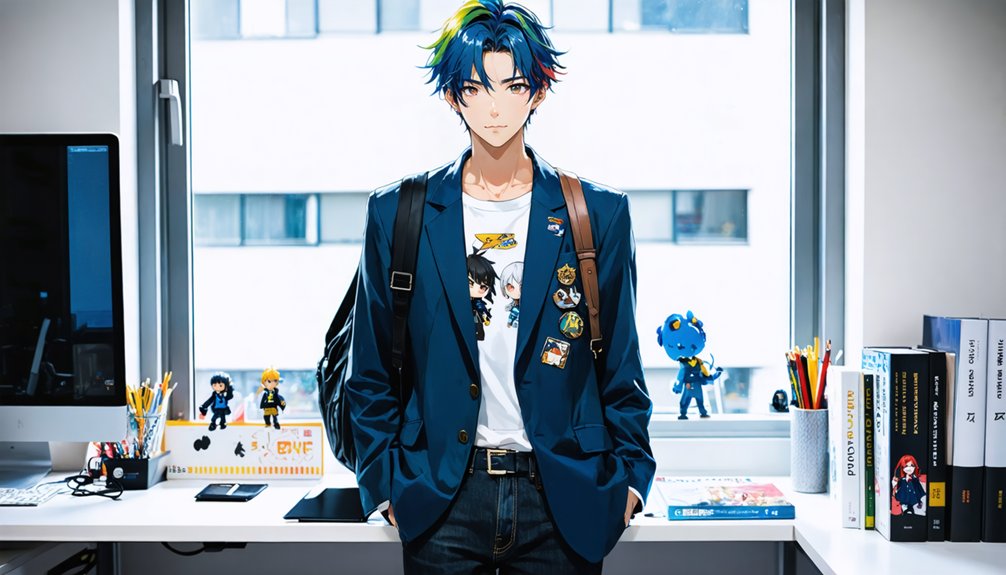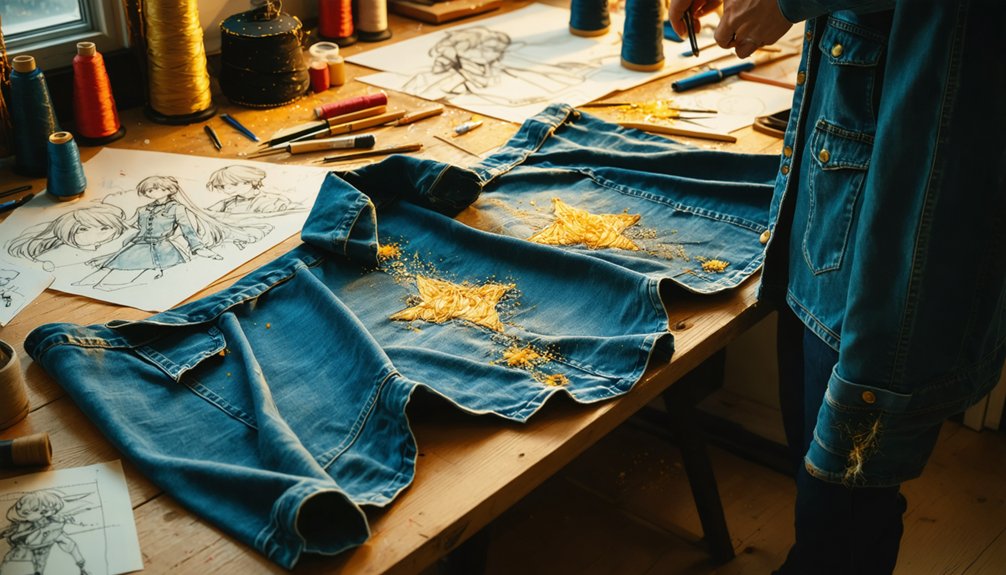
Transforming old clothes for manga cosplay saves you money, time, and creative energy. You’re working with garments that already fit your body, drape naturally, and carry textures no new fabric can replicate. A thrifted blazer becomes a captain’s haori. A worn jacket becomes a shinobi coat. You’re also keeping clothes out of landfills, which makes every stitch count twice. Stick around, and you’ll discover exactly how far a little resourcefulness can take your next build.
Key Takeaways
- Transforming old clothes saves money, reducing cosplay expenses while enabling multiple projects simultaneously through creative reuse of existing materials.
- Pre-worn garments offer unique textures, natural drape, and body-fitted shapes that new fabric simply cannot replicate.
- Upcycling old clothes reduces textile waste, cutting landfill contributions and emissions associated with manufacturing new costume materials.
- Techniques like dyeing, painting, and hemming accurately recreate manga character-specific colors, logos, and silhouettes from existing garments.
- Thrift stores provide diverse textures, colors, and unexpected materials ideal for matching manga character palettes affordably.
Why Old Clothes Make Surprisingly Good Manga Cosplay
When you dig through your closet or browse a thrift store rack, you’re looking at raw cosplay material without realizing it. Old clothes carry structural foundations that new fabric can’t replicate — pre-worn fits, natural drape, and broken-in texture that photographs beautifully.
Fashion sustainability isn’t just an environmental principle; it’s a practical cosplay strategy. That oversized jacket or forgotten dress already fits your body, eliminating guesswork entirely. Creative recycling transforms these forgotten pieces into accurate character representations through painting, cutting, and tailoring.
Manga characters wear surprisingly ordinary silhouettes — button-downs, fitted pants, layered tops. Your existing wardrobe likely matches these shapes already. You’re not settling for less by repurposing old clothes; you’re working smarter, cutting costs while building a collection that reflects genuine craftsmanship and resourceful innovation.
How Thrift Stores Become Your Manga Cosplay Supply Aisle
Thrift stores don’t just sell old clothes — they stock an entire cosplay supply aisle you haven’t labeled yet. Walk in with your reference image loaded, and suddenly every rack becomes a decision point. Your fabric selection process sharpens immediately: you’re feeling textures, checking weights, and identifying which blazer collar mirrors your character’s silhouette exactly.
Color coordination becomes instinctive here. That faded burgundy jacket? Perfect base for a brooding manga antihero. The oversized white button-down? One dye session away from a school uniform. You’re not browsing — you’re sourcing.
Thrift pricing removes financial hesitation, letting you experiment boldly. Grab multiples of promising pieces, because altering one version while preserving another costs almost nothing. Every visit yields unexpected materials that commercially packaged costumes simply can’t replicate.
Tools Every Beginner Needs Before Altering Anything
Once your thrift haul is spread across a table, the real work starts — and the right tools make the difference between a clean alteration and a ruined find. Before diving into sewing techniques or committing to permanent fabric selection decisions, stock these essentials:
- Fabric chalk or washable markers — mark cuts and dart placements precisely without damaging your garment.
- Sharp fabric scissors — dull blades drag and fray edges, killing clean lines instantly.
- Safety pins and fabric tape — perfect for temporary fittings before permanent alterations lock in your design.
- A hand-sewing needle with assorted thread — handles quick hemming, dart creation, and detail stitching efficiently.
These tools keep your process intentional, your alterations reversible when needed, and your final cosplay sharp.
Six Alterations That Turn Basic Garments Into Manga Cosplay
Six basic alterations separate a thrift store rack from a manga character’s wardrobe — and none of them require a sewing machine or professional training.
Start with fabric dyeing to shift a garment’s color toward your character’s palette.
Next, use pattern tracing from well-fitting clothes to cut accurate shapes without guessing dimensions.
Third, add darts to restructure baggy shirts into tailored silhouettes.
Fourth, hem skirts, pants, or jackets to match exact character lengths.
Fifth, iron on appliques or paint logos directly onto fabric using reference images for precision.
Sixth, make temporary adjustments with safety pins or fabric tape for quick convention fixes.
Each alteration builds on the last, transforming ordinary garments into intentional, character-accurate cosplays that reflect both resourcefulness and creative confidence.
How to Nail Character Accuracy Using Clothes You Already Own
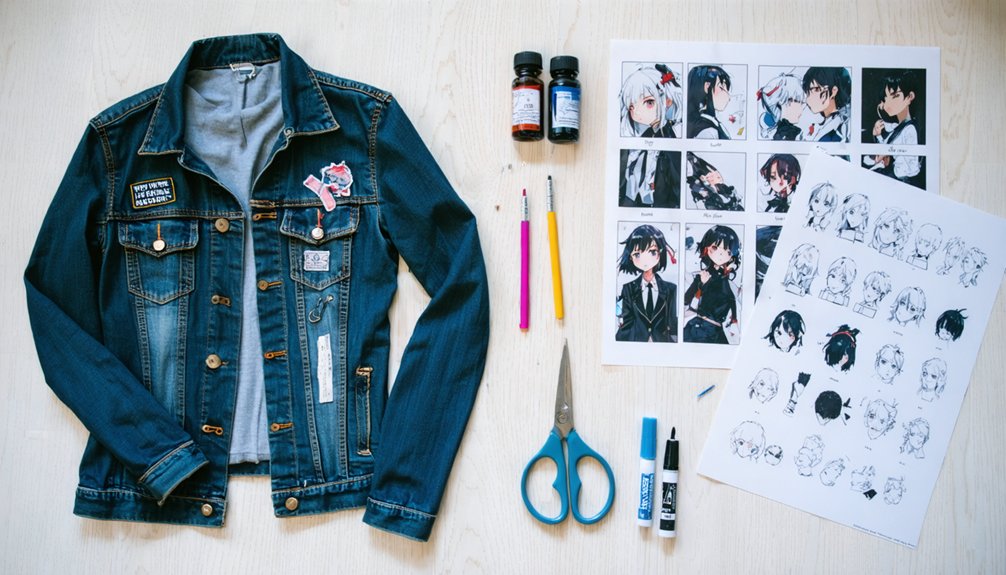
You don’t need a screen-accurate replica to nail a character — you need sharp attention to detail and the clothes already hanging in your closet. Pull up clear reference images of your character and match specific design elements like collar shapes, color blocks, and logo placements to whatever you’re working with.
Then tailor the fit by adding darts, hemming lengths, or cinching seams so your garment mirrors the character’s silhouette rather than just their color scheme.
Matching Character Design Details
Nailing character accuracy doesn’t require a brand-new outfit — it requires a sharp eye and a little ingenuity. Study your character’s reference images closely, then apply targeted modifications to existing garments.
- Identify signature colors — Use fabric dyeing to shift a garment’s tone precisely to your character’s palette.
- Trace defining patterns — Apply fabric paint or iron-on appliques to recreate logos, symbols, or unique markings accurately.
- Refine the silhouette — Add darts or hem strategically to mirror your character’s fitted or structured look.
- Complete with accessory pairing — Layer complementary props, wigs, and accessories to reinforce every design detail your altered garment establishes.
Each deliberate choice compounds into a cohesive, accurate portrayal that transforms familiar clothing into unmistakable character representation.
Tailoring Fit For Accuracy
Getting the fit right is where a good cosplay becomes a great one, and it’s surprisingly achievable with clothes you already own. Start by tracing garments that already fit you well to create accurate patterns, eliminating guesswork entirely.
Baggy shirts transform into form-fitting pieces when you add strategic darts along the sides and back. Fabric selection matters here — stretchy materials conform easily, while structured fabrics hold tailored shapes longer, directly improving costume durability through repeated convention wear.
Use reference images to compare your altered garment against the character’s silhouette, adjusting hemlines, sleeve lengths, and waistlines accordingly. Temporary stitching lets you test fit adjustments before committing permanently.
These precise modifications ensure your cosplay captures the character’s exact proportions, guaranteeing your overall presentation authentically and confidently.
Referencing Images While Crafting
Character accuracy starts the moment you pull up a clear reference image and place it beside your work. You’re not guessing anymore—you’re translating visual data directly onto fabric. Color matching becomes precise, and fabric patterns stop feeling like approximations.
Use your reference image to guide every decision:
- Identify dominant colors — match them using fabric paint, dye, or strategic garment selection.
- Map fabric patterns — trace distinctive markings, stripes, or insignias onto your existing pieces using chalk or washable markers.
- Pinpoint proportions — compare sleeve lengths, necklines, and hemlines against the character’s silhouette.
- Spot signature details — logos, trims, and layering elements that define the character’s look deserve deliberate recreation.
Your reference image isn’t optional—it’s your blueprint.
The Real Money You Save Upcycling Manga Cosplay Outfits
When you’re deep in the cosplay rabbit hole, costume costs can spiral fast—but upcycling old clothes slashes that financial burden considerably. Instead of spending hundreds on custom-made outfits, you’re redirecting those cost savings toward high-impact accessories, wigs, and props that elevate your overall presentation.
Thrift stores become your best allies here—old shirts, jackets, and pants sell for next to nothing, yet carry enormous creative potential once you apply fabric paint, strategic cuts, or iron-on appliques. You’re not compromising quality; you’re engineering resourcefulness.
Every dollar preserved through upcycling compounds across your entire collection, letting you build multiple cosplays simultaneously without financial strain. That manga character you’ve been eyeing? Their outfit might already be hanging in your closet, waiting for transformation.
Why Upcycling Manga Cosplay Is Better for the Planet
When you upcycle old clothes into manga cosplay outfits, you’re directly cutting down on the textile waste that clogs landfills every year. Each garment you transform instead of toss extends its lifespan and keeps new fabric production demand lower.
You’re also shrinking the carbon footprint tied to manufacturing and shipping fresh costume materials just by raiding your closet or a thrift rack.
Reducing Textile Waste
Every time you toss an old garment into the trash, it joins the roughly 92 million tons of textile waste the fashion industry generates annually. Your manga cosplay journey can actively fight this crisis by repurposing existing clothes into character-accurate costumes that carry cultural symbolism beyond mere aesthetics.
Here’s how upcycling directly reduces textile waste:
- Extends garment lifespan by transforming discarded clothing into functional cosplay pieces.
- Counters fast fashion trends that encourage disposable, single-use costume purchases.
- Diverts fabric from landfills by creatively reimagining what’s already in your wardrobe.
- Reduces manufacturing demand by eliminating the need for newly produced costume materials.
Every stitch you repurpose represents a deliberate choice to innovate responsibly while embodying your favorite manga characters.
Lowering Carbon Footprint
Beyond reducing textile waste, upcycling your manga cosplay also shrinks the carbon footprint that comes with producing brand-new costume materials. Every time you skip purchasing factory-made fabrics, you’re cutting out the emissions tied to manufacturing, dyeing, and shipping those materials globally. That’s a meaningful win for sustainable fashion, and it starts right in your own closet.
Think about it — transforming an old jacket or thrifted shirt into an accurate character costume eliminates demand for new production entirely. You’re actively choosing waste reduction over convenience, and that choice compounds across the cosplay community.
When creators collectively favor repurposing over buying new, the environmental impact becomes significant. Your resourcefulness doesn’t just build a better costume; it builds a more sustainable creative practice.
Frequently Asked Questions
Can Upcycled Cosplay Outfits Hold up Throughout an Entire Convention Day?
Imagine wearing a reinforced denim jacket all day at Anime Expo—it holds up perfectly. With proper fabric reinforcement techniques, your upcycled costume’s durability rivals store-bought outfits, keeping you convention-ready from opening ceremony to closing cosplay contests.
Which Manga Characters Are Easiest to Cosplay Using Old Clothes?
You’ll find Naruto, Goku, and Sailor Moon perfect for sustainable fashion creative reuse! Raid your closet for orange sweatsuits, blue gi-inspired pieces, or sailor-collar blouses—these iconic characters don’t demand complex tailoring, just resourceful styling!
How Do You Store Altered Cosplay Garments Without Damaging the Modifications?
While creativity thrives through bold alterations, preservation demands equal care. Store your altered cosplay garments flat or hung loosely, ensuring fabric preservation and modification durability by avoiding tight folds that’ll crack paint or distort carefully sewn embellishments.
Can Children Safely Participate in Upcycling Clothes for Manga Cosplay?
Yes, children can safely upcycle clothes for manga cosplay! You’ll want to prioritize safety precautions like adult supervision during cutting, while choosing soft fabrics with strong fabric durability guarantees their creative costumes withstand energetic convention adventures beautifully.
Are There Online Communities Specifically for Sharing Upcycled Manga Cosplay Transformations?
You’ll find vibrant online communities on Reddit, Instagram, and TikTok where creators proudly showcase their costume customization journeys. These spaces celebrate eco friendly fashion innovation, connecting resourceful cosplayers who transform everyday garments into stunning manga-inspired masterpieces.
References
- https://www.youtube.com/watch?v=32fRwGE4BZM
- https://designmango.in/blog/Emergence-of-Cosplay-as-a-Fashion-Trend-147
- https://closetchloecosplay.wordpress.com/2017/06/20/closet-cosplay-tip-reusing-pieces/
- https://cosplayforall.commons.gc.cuny.edu/2020/11/14/using-clothes-you-already-own/
- https://www.youtube.com/watch?v=s2Z6xfTMNSs
- https://www.youtube.com/watch?v=adNO6zg9e_Q
- https://www.larplikerae.com/upcycling-old-clothing-into-cosplay-outfits/