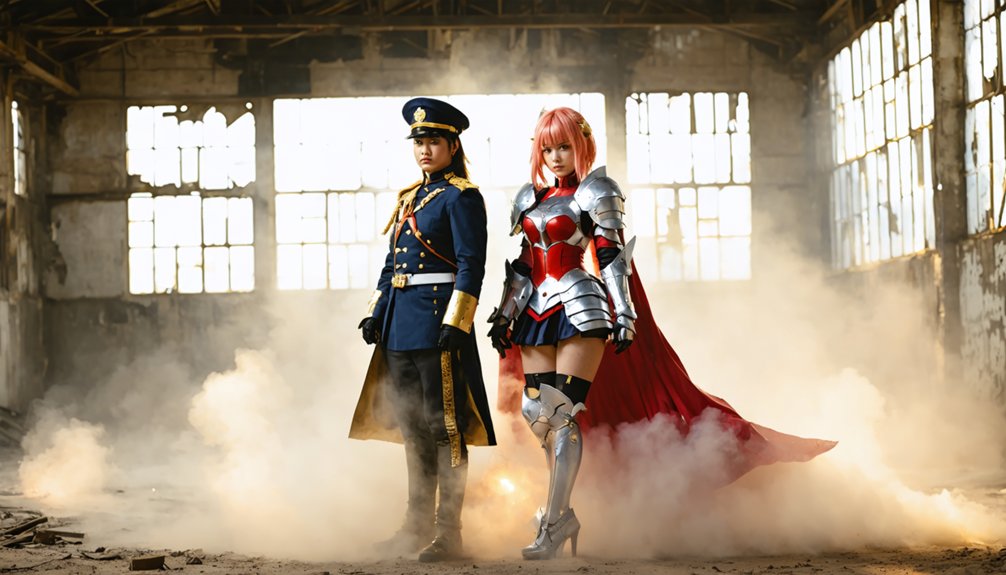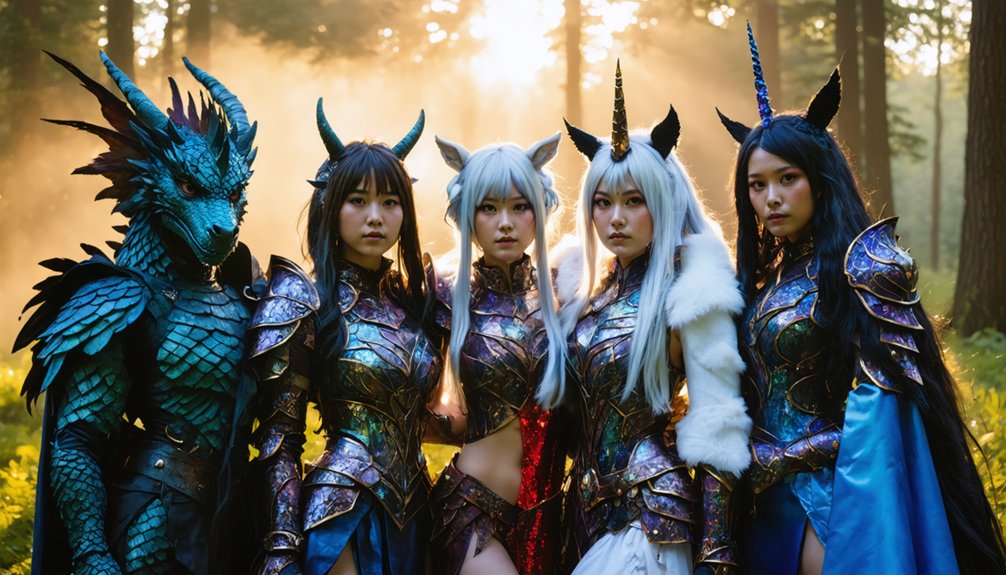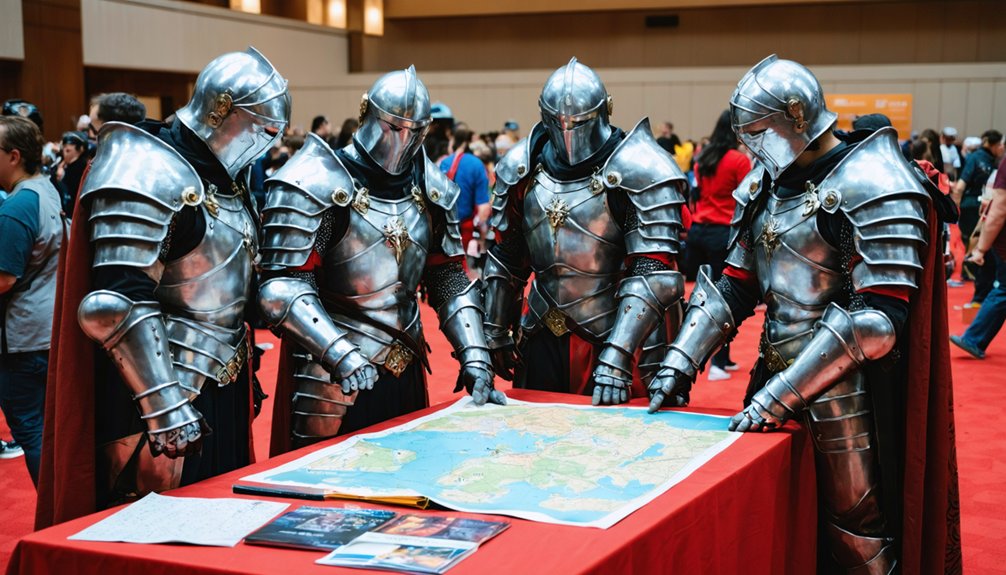
To organize a group cosplay for a convention, start by choosing a fandom everyone’s genuinely excited about, then assign characters before anyone buys materials. Match each member’s skills to their costume’s complexity, and build a milestone-based timeline with buffer days for delays. Coordinate travel and hotel arrangements early, and standardize materials to keep quality consistent across the group. Every detail covered here will sharpen your next group cosplay from concept to convention floor.
Key Takeaways
- Choose a fandom with strong character diversity and active fan communities to ensure flexibility in matching costumes to group members.
- Assign characters based on each member’s skill level before purchasing any materials to avoid costly changes later.
- Create a milestone-based timeline working backward from the convention date, including buffer days for delays and group fittings.
- Buy shared materials in bulk, split tool costs, and use thrift store finds to keep group cosplay expenses manageable.
- Debrief within 48 hours post-convention to document lessons learned, repair costumes, and improve future group cosplay planning.
Pick a Fandom Your Entire Group Is Genuinely Excited About

The single most important decision you’ll make for your group cosplay is picking a fandom everyone is genuinely invested in, not just tolerating for the sake of the majority. Shared enthusiasm directly impacts costume quality, commitment levels, and the group’s overall energy at the event.
Conduct thorough fandom research by surveying every member before finalizing anything. Identify series that offer strong character diversity, ensuring each person gets an assignment they’re personally excited about rather than settling for a leftover role.
A fandom with a wide character roster gives your group flexibility in matching individuals to roles based on skill and preference.
Prioritize franchises with established visual references and active fan communities, as these resources streamline construction decisions and strengthen your group’s final presentation.
Assign Characters Before You Buy Any Materials
Once your fandom is set, lock in every character assignment before anyone spends a single dollar on materials.
Match each member to a role based on their sewing skill level, comfort with the character’s complexity, and personal preference to guarantee everyone’s working within their strengths.
Finalizing these decisions early prevents costly design mismatches, wasted fabric, and the frustration of backtracking after purchases are already made.
Finalize Characters First
Before your group spends a single dollar on fabric, foam, or accessories, finalize every character assignment within the group. Character diversity strengthens your lineup visually, so prioritize intentional selection over convenience. Locking in roles early protects costume accuracy and prevents expensive material mismatches later.
- Match characters to each member’s skill level and personal enthusiasm for the role
- Review official reference sheets together to align on design details and color palettes
- Confirm character diversity guarantees visual contrast and balance across the full group shot
- Document every assignment in your shared planning space to eliminate confusion
- Freeze all character selections before anyone purchases a single material
This discipline protects your budget, tightens your timeline, and guarantees every costume contributes to a cohesive, visually compelling group presentation at the convention.
Match Skills To Roles
Matching each member’s skill level to their character’s construction demands is the single most strategic decision your group makes before spending anything. Skill matching eliminates costly misalignments between ambition and execution.
Assign heavily armored characters to members with foam-smithing or prop-building experience. Route intricate embroidery and tailored silhouettes toward your strongest sewists.
Reserve simpler, accessory-driven designs for newer cosplayers without overwhelming them early.
Character dynamics within your group should visually and technically complement each other. A veteran handling an elaborate hero design balances beautifully against a beginner executing a cleanly structured supporting role.
This distribution keeps production quality consistent across the entire lineup.
Document every assignment with reference images and technical notes before purchasing a single yard of fabric or sheet of Worbla.
Prevent Costly Design Changes
Locking in character assignments before anyone opens their wallet is what separates a well-run group build from an expensive scramble. Late character swaps trigger cascading problems—wasted fabric, mismatched palettes, and duplicated prop safety considerations that drain your budget fast. Finalize every role before costume material sourcing begins.
- Freeze character selections before any group member purchases fabric, foam, or hardware
- Distribute a shared reference sheet confirming approved color palettes and design versions
- Flag prop safety considerations early so materials meet convention weapon policies
- Centralize costume material sourcing to prevent duplicate purchases and color inconsistencies
- Document each character assignment in writing so no role gets disputed later
One confirmed decision upfront eliminates dozens of expensive corrections downstream. Treat finalization as a non-negotiable checkpoint, not a flexible suggestion.
Build a Group Cosplay Timeline With Buffer Days Built In
Once you’ve locked in character assignments, map out your timeline by working backward from the convention date and setting firm milestones for material purchases, construction phases, and final fittings.
Don’t schedule every day as a work day—build in buffer days after each major milestone to absorb delays, fix mistakes, and handle unexpected setbacks without derailing the entire group.
Track everyone’s progress consistently through your group chat or a shared project board so you can spot bottlenecks early and redistribute tasks before they become critical problems.
Start With Milestones
When you’re organizing a group cosplay, building a milestone-based timeline isn’t optional — it’s the structural backbone that keeps everyone accountable and on track. Define concrete checkpoints early so costume maintenance issues and photo lighting decisions don’t get rushed near the deadline.
- Finalize character assignments before purchasing any materials
- Complete base costume construction four weeks before the convention
- Schedule a group fitting and costume maintenance review two weeks out
- Test photo lighting setups during a dedicated rehearsal shoot one week prior
- Lock all travel and logistics details at least ten days before departure
Each milestone creates a decision gate. Missing one signals a problem early enough to fix it, not the night before the convention floor opens.
Schedule Buffer Days Strategically
Even the most detailed milestone calendar will break down without deliberate buffer days built into the schedule. Scheduling conflicts will emerge — someone’s work deadline shifts, a fabric shipment arrives late, or a prop breaks during fitting. You can’t eliminate those variables, but you can absorb them.
Build at least two buffer days after each major milestone: one for unexpected delays and one dedicated to testing costume durability under real movement conditions. Wear the full costume, walk around, stress-test the seams and armor attachments. Identify weak points before the convention floor does it for you.
Position your final buffer day no later than 48 hours before the event. That window gives the entire group time to execute last-minute repairs without sacrificing sleep or composure on convention day.
Track Progress Consistently
Buffer days only work if you know where the group actually stands when those days arrive. Progress tracking eliminates guesswork and keeps accountability measures sharp across every role.
Schedule weekly check-ins where each member reports completed milestones honestly and specifically.
- Share real-time photo updates of costume construction inside the group chat.
- Use a shared spreadsheet assigning completion percentages to each costume component.
- Flag delayed tasks immediately rather than waiting for the next scheduled check-in.
- Rotate a designated accountability partner weekly to review another member’s progress.
- Color-code milestone statuses so bottlenecks become visually obvious at a glance.
Consistent tracking transforms vague intentions into measurable outcomes. When everyone sees the same progress dashboard, the group responds faster, adjusts smarter, and arrives at buffer days with precise clarity rather than costly surprises.
Keep Costume Quality Consistent Across Every Member
Maintaining consistent costume quality across your entire group starts with assigning one person to serve as the quality lead, responsible for reviewing every member’s stitching, prop construction, and armor details against the approved reference document. This person sets the benchmark for fabric quality and costume durability before anyone finalizes their build.
Schedule structured review checkpoints where members submit progress photos or attend in-person inspections. When inconsistencies appear, address them immediately rather than hoping they’ll resolve themselves closer to the event.
Purchase shared materials in bulk to eliminate color discrepancies and texture mismatches between costumes. Standardizing your construction methods, whether machine-sewn seams or heat-bonded armor panels, ensures every costume holds up under convention conditions.
Consistent quality elevates your group’s visual impact and reflects the collective effort you’ve invested.
Cut Group Cosplay Costs Without Cutting Corners
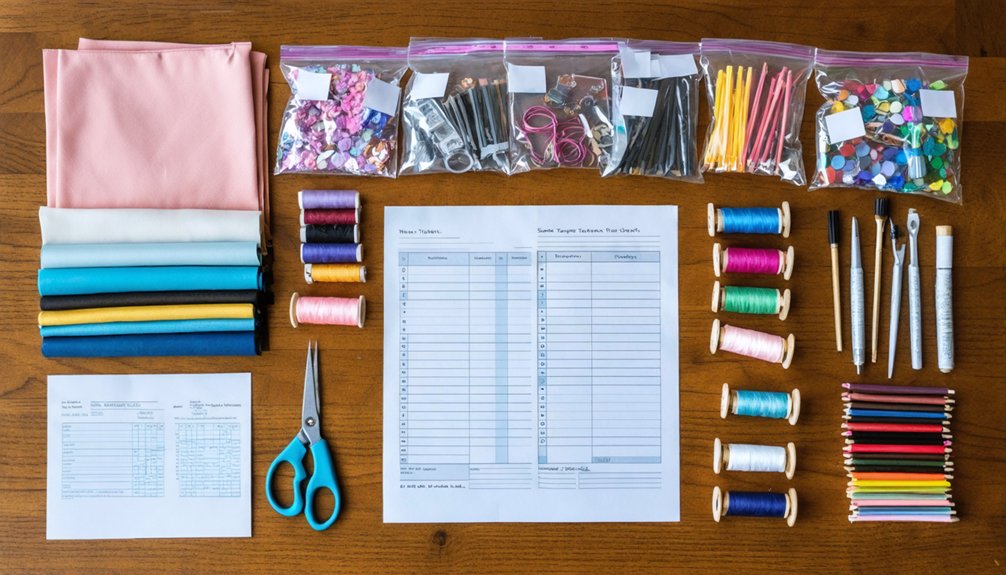
Cutting costs on a group cosplay doesn’t mean sacrificing the visual standard you’ve worked hard to establish. Smart cost saving hacks and material alternatives let you stretch every dollar without compromising cohesion.
- Buy fabric in bulk to secure uniform color lots and unlock wholesale pricing
- Swap expensive thermoplastics for craft foam layered with Plasti-Dip for durable, lightweight armor
- Source thrift store base garments and modify them instead of constructing everything from scratch
- Split tool purchases across members so no single person absorbs the full equipment cost
- Use free digital pattern resources and open-source templates to eliminate design fees entirely
Pooling resources strategically keeps your group’s budget lean while maintaining the visual precision your costumes demand. Coordination here directly protects the quality you’ve already committed to delivering.
Coordinate Travel and Hotel Logistics Early
Once your costumes are taking shape, locking in travel and hotel arrangements becomes your next critical priority. Delayed travel arrangements create scheduling conflicts that unravel even the most disciplined group coordination. Book flights or carpools the moment convention dates are confirmed, securing the lowest rates before demand spikes.
Centralize hotel bookings by reserving a block of rooms in a single property near the venue. Staying together eliminates morning chaos, streamlines costume transport, and keeps your group synchronized throughout the event. Designate one member to manage reservations and distribute confirmation details across your group chat immediately.
Establish clear arrival windows so every member reaches the venue before your scheduled meetup. Early coordination removes guesswork, prevents costly last-minute scrambles, and positions your group for a flawless convention experience from day one.
Run a Smooth Group Cosplay Meetup on Convention Day
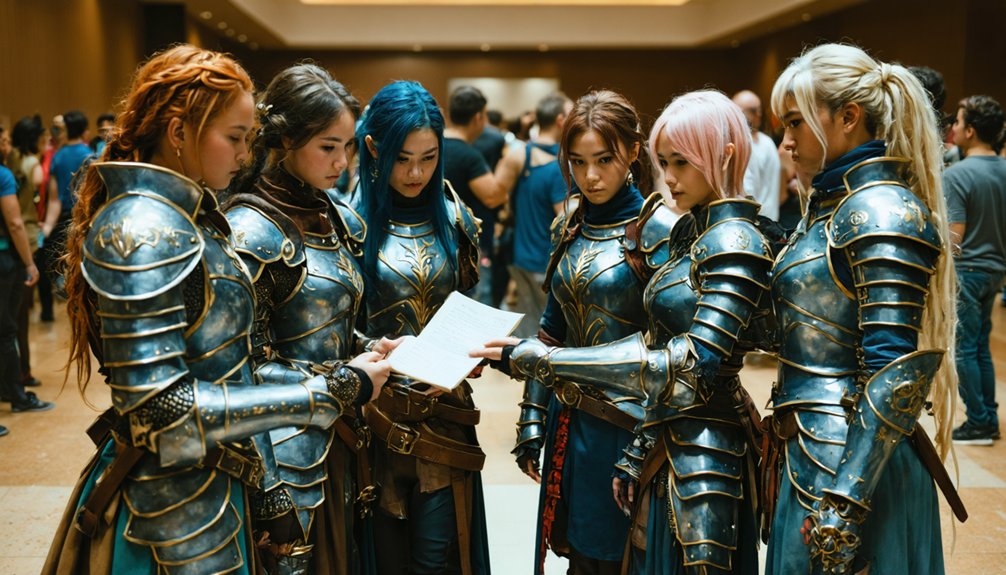
Every detail you’ve locked in during planning now gets tested on convention day, so securing your meetup location before crowds flood the venue gives you a decisive advantage.
- Choose open spaces with natural light to maximize lighting techniques and eliminate harsh shadows in photos.
- Apply strong photo composition principles by positioning taller characters at the back and dynamic poses at the front.
- Recruit dedicated helpers to manage crowd flow and coordinate photographer positioning efficiently.
- Enforce strict time limits per photo session to prevent bottlenecks and keep energy high.
- Maintain a live group chat thread for real-time location updates and unexpected schedule shifts.
Executing these strategies transforms chaotic convention energy into controlled, photogenic moments.
Your group’s visual impact depends on preparation meeting opportunity at exactly the right time.
Review the Event and Lock In Your Next Group Cosplay
After the convention wraps, you’ve got a narrow window where details are still fresh and group energy is high—use it. Schedule a post-event debrief within 48 hours to collect structured event feedback from every member. Identify what worked, what didn’t, and where logistics broke down. Document everything in your shared drive alongside the final group photos.
Simultaneously, address costume maintenance while the wear patterns are obvious—repair seams, clean fabrics, and catalog damaged components before storing. This protects your investment and accelerates future builds.
Once feedback is consolidated, pitch your next concept while momentum is alive. Assign roles, revisit your planning timeline, and apply every lesson learned directly into the new cycle.
Treat each convention as a prototype—refine relentlessly and build smarter every time.
Frequently Asked Questions
How Do You Handle a Group Member Who Drops Out Last Minute?
One dropout disrupts all; you’ve built resilience. Activate your contingency planning immediately—reassign the character, adjust group shots, and remind remaining members that group commitment outlasts individual setbacks, keeping your cosplay vision intact.
What Platforms Work Best for Organizing a Group Cosplay Remotely?
You’ll want to leverage WhatsApp, Discord, or Slack as your primary communication tools for virtual planning. Each platform supports file sharing, milestone tracking, and real-time coordination, keeping your entire remote cosplay group strategically aligned and consistently productive.
How Many People Is Ideal for a Cohesive Group Cosplay Photo?
Studies show 3–6 members maximize group cohesion in photos. You’ll achieve stronger costume coordination, sharper visual balance, and cleaner compositions by keeping your lineup tight—ensuring every character reads clearly without overwhelming the frame.
Should You Create a Backup Character Plan Before the Convention Starts?
Yes, you should create a backup character contingency plan before the convention. If someone drops out, you’ll maintain visual cohesion by reassigning roles, swapping costumes, or integrating a pre-approved backup character that complements your group’s finalized design palette.
How Do You Manage Disagreements Over Character Assignments Within the Group?
Resolve disagreements by prioritizing character compatibility and personal skill levels. You’ll want to use a shared reference document for costume coordination, assign roles based on preference, and finalize decisions before purchasing materials to prevent costly conflicts.
References
- https://www.creativecosplays.com/post/the-ultimate-guide-to-group-cosplay-coordination
- https://www.youtube.com/watch?v=YtyTYDtWICk
- https://ani.me/posts/5890-Organizing-Cosplay-Events-and-Conventions
- https://carboncostume.com/a-guide-to-hosting-cosplay-meetups/
- https://www.anime-expo.org/activity/gatherings/
- https://vesnakurilic.com/2017/10/15/11-tips-for-group-cosplay/
- https://templeofgeek.com/how-to-host-cosplay-meetup-at-comic-con/
- https://eyecandys.com/blogs/news/what-to-pack-cosplay-event
- https://clickup.com/p/templates/event-planning/cosplay-convention-planning-document-template
- https://www.reddit.com/r/animecons/comments/1s8rq8p/how_does_one_host_a_cosplay_meetup/