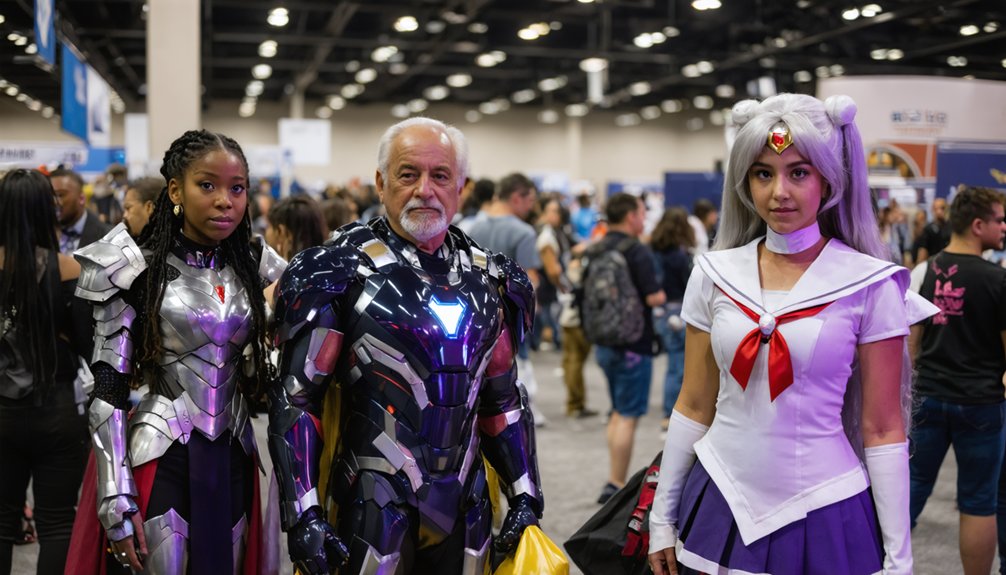
Improving diversity in popular cosplay themes starts with you—choosing characters that reflect a wider range of identities, cultures, body types, and abilities. You can push for inclusive judging criteria, support gender-bent and cultural cosplay, and amplify underrepresented creators through mentorship and outreach. When conventions actively showcase diverse characters, more fans feel they truly belong. Stick around, because there’s much more to uncover about making cosplay communities genuinely welcoming for everyone.
Key Takeaways
- Cosplay themes rooted in cultural heritage and diverse character identities expand visibility and provide authentic representation for marginalized communities.
- Gender-bent cosplay reimagines traditional characters beyond conventional portrayals, broadening access and supporting gender-fluid representation at conventions.
- Contest judges shape cosplay culture, making inclusive criteria and diverse judging panels essential for fair, representative competitions.
- Social media campaigns and promotional materials featuring diverse cosplayers signal inclusion and encourage broader community participation.
- Mentorship programs and collaborative workshops create accessible entry points, helping underrepresented cosplayers navigate convention culture confidently.
Why Popular Cosplay Themes Still Lack Diversity
Even though cosplay has grown into a global phenomenon, popular theme catalogs still skew heavily toward white, male, able-bodied, and thin character models.
These representation gaps create real fandom barriers, making inclusivity challenges harder to overcome for fans who don’t see themselves reflected in mainstream character options.
Cultural stereotypes embedded in popular media limit artistic limitations by narrowing which characters feel “accessible” to certain cosplayers.
Visibility issues compound participation hurdles, especially when community dynamics reinforce the idea that specific fandoms aren’t meant for everyone.
Identity politics also shapes who feels welcomed in competitive spaces, affecting broader engagement strategies.
You deserve a cosplay culture that actively dismantles these patterns.
Recognizing why these gaps persist is your first step toward demanding more from the community spaces you inhabit.
How Underrepresentation Discourages Fan Participation
When you don’t see yourself reflected in popular cosplay themes, participation can feel less like an open invitation and more like a closed door. Underrepresentation effects ripple through fan engagement, creating participation barriers that discourage entire communities before they even arrive at a convention floor.
Visibility issues shape community perceptions deeply. When representation gaps reinforce the idea that certain cultural narratives or identities don’t belong in fandom spaces, identity struggles follow. You may question whether cosplay is truly for you.
Representation gaps don’t just exclude—they make you question whether you ever belonged in the first place.
These inclusivity challenges aren’t accidental. Social dynamics within competitive cosplay often reflect broader systemic exclusions. Without intentional change, these patterns continue pushing marginalized fans toward the edges of spaces they deserve to fully inhabit.
Representation isn’t just symbolic—it directly determines who participates and who doesn’t.
Which Cosplay Themes Do the Most for Diverse Representation?
When you choose cosplay themes rooted in cultural heritage or nontraditional fantasy archetypes, you actively expand who gets seen in fandom spaces.
Characters tied to specific racial, ethnic, and indigenous identities bring authentic representation that mainstream catalogs often overlook.
Fantasy themes featuring warrior queens, nonbinary wizards, and plus-size heroes push back against rigid character molds and invite more fans into the creative conversation.
Themes Championing Cultural Representation
Some cosplay themes do far more for representation than others, and knowing which ones carry the most cultural weight can help you make choices that genuinely expand visibility.
Themes rooted in heritage celebration carry deep cultural significance and create strong representation impact by centering identities that mainstream fandom often overlooks.
When you pursue identity exploration through intersectional themes, you’re building cosplay narratives that resonate beyond costume design.
Character reinterpretation of heroes from Indigenous, Afro-futurist, or East Asian traditions invites powerful community engagement and challenges narrow visibility strategies.
Artistic expression tied to real cultural contexts transforms cosplay from performance into advocacy.
You’re not just wearing a costume—you’re amplifying lived experience, shifting what conventions celebrate, and making space for fans who’ve historically had to imagine themselves into stories that weren’t written for them.
Fantasy Archetypes Expanding Identity Visibility
By embracing role diversity in your theme choices, you help shift convention culture toward something more reflective,
more imaginative, and more genuinely welcoming to everyone.
Gender-Bent and Cultural Cosplay as Creative Entry Points
When you explore gender-bent cosplay, you open character access beyond what traditional portrayals allow, letting you reimagine familiar figures through your own gender identity or expression.
Cultural cosplay gives you a direct creative path to honoring your heritage, connecting personal identity to public fandom in ways that feel authentic rather than performative.
Both approaches serve as practical entry points that expand who gets seen at conventions and challenge the narrow character molds that have long defined mainstream cosplay culture.
Gender-Bent Cosplay Benefits
Gender-bent cosplay opens up creative possibilities that standard character portrayals often don’t allow. When you reimagine a beloved character through a different gender lens, you’re practicing gender bent creativity that challenges rigid fandom norms and expands who gets to inhabit iconic roles.
You don’t need to replicate a character exactly to honor them. A gender-swapped interpretation can highlight your own identity while keeping the spirit of the original intact. This approach supports gender fluid representation by normalizing the idea that characters belong to everyone, not just the demographic they were originally designed for.
For fans who’ve struggled to see themselves in mainstream character rosters, gender-bent cosplay offers a direct path into spaces that once felt closed.
It’s creative, it’s political, and it’s yours.
Cultural Cosplay Identity Expression
Cultural cosplay lets you bring your full identity into fandom spaces, not just a costume. When you cosplay characters tied to your heritage celebration or craft original designs rooted in cultural significance, you’re practicing powerful artistic expression that deepens storytelling potential.
Your personal narratives matter. Cultural cosplay honors intersectional identities by making community bonding feel authentic rather than performative. It also strengthens identity representation across conventions and online platforms.
Consider these creative entry points:
- Reimagine established characters using traditional textiles, patterns, or silhouettes from your cultural background.
- Design original characters whose aesthetics reflect your heritage and lived experience.
- Collaborate with cosplayers from similar backgrounds to amplify shared cultural storytelling.
You don’t need permission to see yourself in fandom. Your culture belongs there.
Expanding Creative Character Access
Expanding your creative range doesn’t require waiting for the “right” character to exist. Gender-bent interpretations and culturally rooted cosplay are two of the most powerful tools for character accessibility available to you right now.
You don’t need studio approval or an exact character match to build something meaningful. Creative reinterpretation lets you reshape existing characters through your identity, heritage, and artistic vision.
A gender-swapped sorcerer or a warrior queen drawn from your cultural background isn’t a compromise—it’s an expansion. These choices challenge the narrow molds that traditional character catalogs often enforce.
When you reinterpret characters boldly, you create entry points for others who’ve felt excluded. That’s not just creative freedom—it’s advocacy through craft, and it pushes cosplay culture toward something genuinely more inclusive.
Inclusive Cosplay Themes in Action at Real Conventions
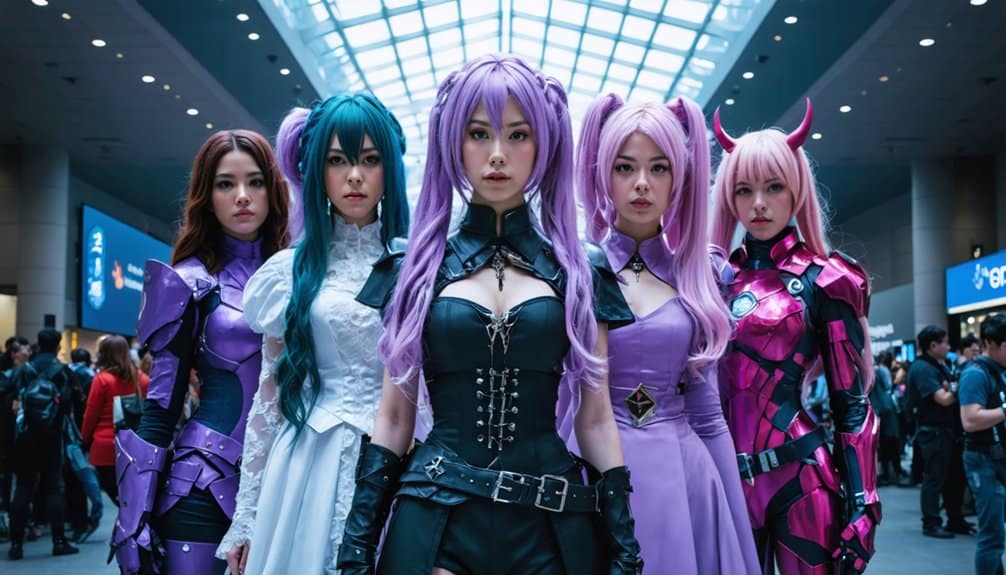
When you walk the convention floor at events like Anime Expo or Comic-Con, you’re seeing something real shift: diverse cosplay themes aren’t just theoretical talking points anymore—they’re showing up in costumes, contest lineups, and crowd energy.
Inclusive character creation and cultural narrative exploration are driving this change.
You’re watching cosplayers claim space through:
Cosplayers aren’t asking for space anymore—they’re stepping into it, one intentional, boundary-breaking costume at a time.
- Heritage-rooted costumes that reflect authentic cultural identity
- Gender-bent interpretations that expand who characters can be
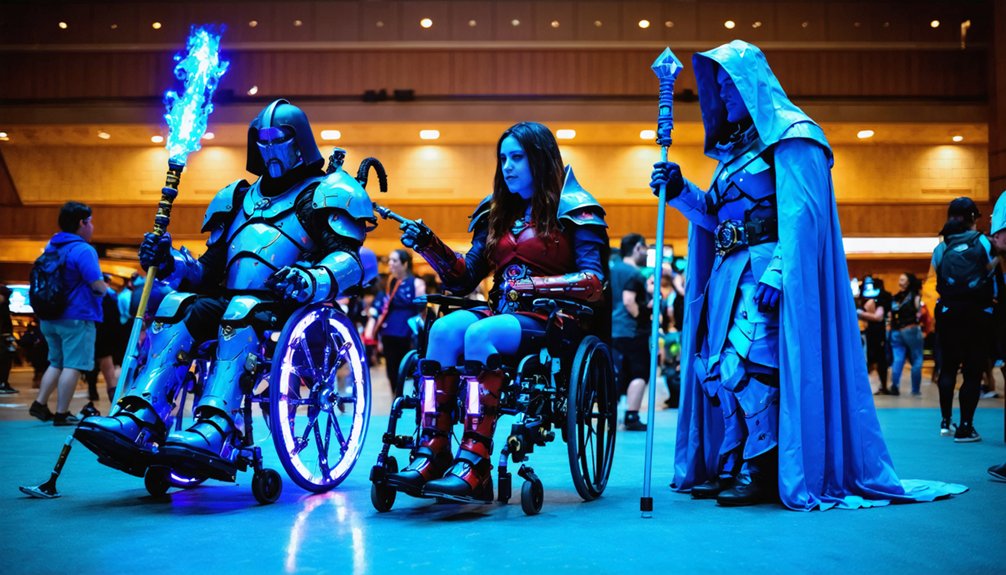
- Plus-size and disability-visible portrayals that challenge narrow beauty standards
Convention coverage confirms it—people of color, LGBTQIA+ fans, and neurodivergent cosplayers are increasingly visible and celebrated.
That visibility matters. When you see yourself reflected on the convention floor, participation stops feeling risky and starts feeling possible.
Choosing Diverse Cosplay Themes Without Gatekeeping
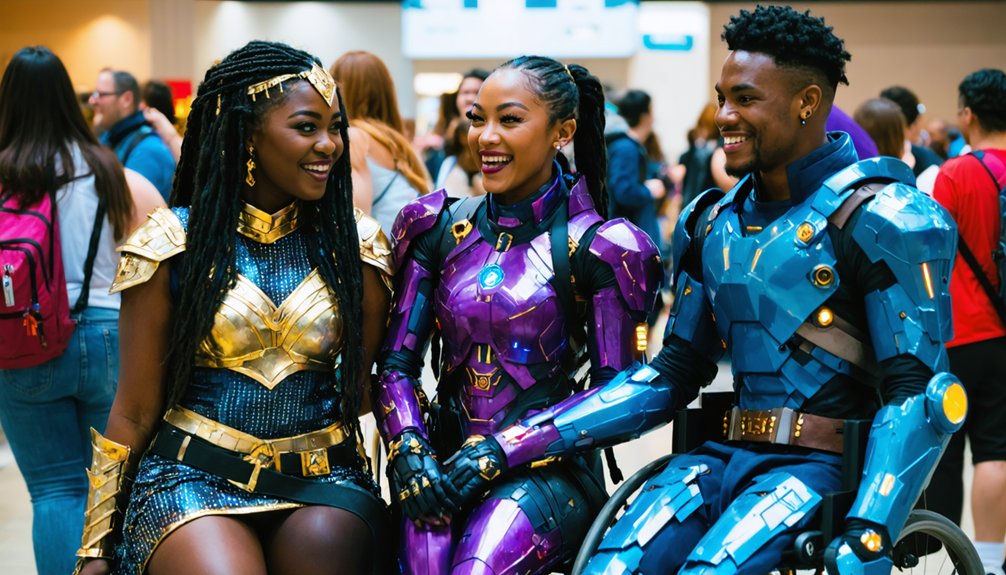
Choosing a diverse cosplay theme shouldn’t feel like traversing a permission system—you don’t need anyone’s approval to cosplay a character outside your default demographic. Representation matters, and your creative expression belongs in every convention space.
Lean into identity exploration by choosing characters who reflect your heritage, challenge gender norms, or represent communities rarely spotlighted. Practice cultural sensitivity by researching a character’s origins before interpreting them.
Remove accessibility barriers by rejecting elitist standards that demand perfect screen accuracy. Inclusive practices thrive when cosplayers treat their craft as collaborative projects rather than competitive gatekeeping.
Community engagement grows stronger when fans normalize diverse character choices through showcases, social media, and convention programming. You’re not asking permission—you’re expanding what cosplay looks like for everyone.
The Role of Contest Judges in Shaping Cosplay Diversity
Contest judges hold more influence over cosplay culture than most people realize—their selections actively define which bodies, identities, and interpretations get celebrated as legitimate.
Judging biases—even unintentional ones—shape representation standards and narrow what contest fairness truly means. You can push for change by demanding inclusive criteria and transparent diversity metrics in every competition.
Stronger judging panels require structural accountability:
- Recruit judges with diverse cultural sensitivity backgrounds to reduce blind spots.
- Collect community feedback after contests to identify recurring exclusion patterns.
- Publish inclusive criteria publicly so participants understand how visibility impact gets measured.
When organizers prioritize diverse judging panels, participation incentives increase naturally. Underrepresented cosplayers feel seen, not tolerated.
That shift—from symbolic inclusion to genuine recognition—transforms competition culture from the inside out.
Outreach Tactics That Actually Bring More Fans Into Cosplay
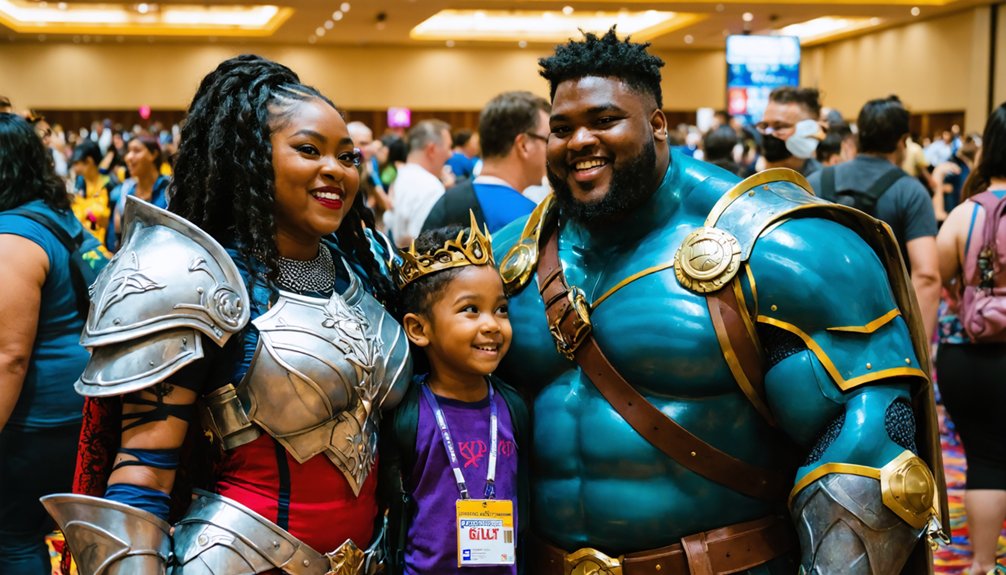
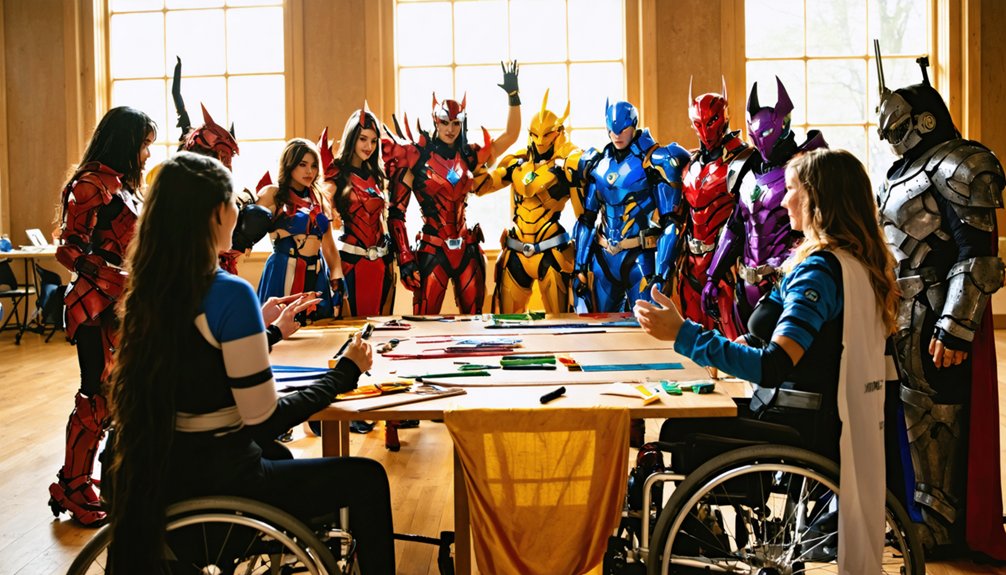
How organizers reach out to fans matters just as much as what they build inside a convention. If you want more diverse participants, you’ve got to meet people where they already are. Outreach programs that connect with underrepresented communities through community partnerships make cosplay feel genuinely accessible. Social media campaigns featuring real fans from varied backgrounds signal that everyone belongs. Mentorship initiatives pair newer cosplayers with experienced creators who share similar identities, building real confidence. Collaborative workshops at local events give first-timers hands-on entry points without intimidation. Educational resources help fans navigate costume construction, character selection, and convention culture. Diversity training for staff guarantees welcoming interactions once people arrive. Outreach isn’t symbolic—it’s structural. When you invest in genuine connection, you expand who gets to participate.
How Inclusive Cosplay Themes Grow Convention Communities
When convention organizers choose inclusive cosplay themes, they don’t just add variety—they actively reshape who feels welcome enough to walk through the door. Inclusive character exploration signals to fans from all backgrounds that their identities belong in shared fandom spaces.
Diverse cosplay communities grow when events deliberately:
- Feature characters from varied cultural, ethnic, and gender backgrounds in promotional materials.
- Spotlight plus-size, LGBTQIA+, and neurodivergent cosplayers in contest showcases.
- Frame cosplay as creative participation rather than exact character replication.
These choices shift conventions from exclusive gatherings into genuinely welcoming environments. When you see yourself represented—in themes, featured cosplayers, and judging panels—you’re more likely to participate, return, and recruit others.
Representation doesn’t just reflect community; it builds it.
Frequently Asked Questions
Can Neurodivergent Cosplayers Find Welcoming Spaces at Major Conventions Today?
Can you imagine conventions built for everyone? Yes, you’ll find neurodivergent representation growing at major events today. Seek out sensory friendly spaces, which many conventions now actively provide, making cosplay more accessible and genuinely welcoming for you.
How Do Online Cosplay Communities Differ From In-Person Convention Diversity Efforts?
Online spaces offer you broader virtual inclusivity through year-round community engagement, while conventions rely on physical access. You’ll find online communities often move faster, normalizing diverse cosplay identities before in-person events catch up with inclusive programming.
What Budgeting Strategies Help Underrepresented Cosplayers Afford Inclusive Costume Builds?
Like a patchwork quilt stitched from borrowed scraps, you can build stunning looks through community resource sharing — swap fabric, split bulk orders, and source cost effective materials at thrift stores to make your vision real.
Are There Cosplay Mentorship Programs Specifically Designed for Marginalized Fan Groups?
Yes, you’ll find mentorship programs built for marginalized fan groups that deliver real mentorship benefits, connecting you with guides who champion cultural representation, helping you build skills, confidence, and community within innovative, inclusive cosplay spaces.
How Does Diverse Cosplay Photography Impact Mainstream Media Coverage of Conventions?
You might think one photo can’t shift media narratives, but it can. When you share diverse cosplay photography, you’re boosting representation metrics, driving audience engagement, and inspiring cultural appreciation that pushes mainstream coverage to reflect real fan communities.
References
- https://starstruckpanda.com/ethnic-representation-in-popular-cosplay-themes/
- https://www.goodnovel.com/qa/cosplayer-diversity-representation-popular-culture
- https://authormorgansterling.com/blog/cosplay-for-everyone-celebrating-diverse-identities-and-creative
- https://templeofgeek.com/anime-expo-and-diversity-in-cosplay/
- https://www.latimes.com/delos/story/2023-07-24/comic-con-diversity-cosplay-san-diego
- https://theestablishment.co/the-world-of-cosplay-is-filled-with-black-joy-cd880ac8dfed/index.html
- https://www.momokarinyo.com/single-post/2019/03/28/cosplay-convos-diversity-in-competitive-cosplay
- https://www.facebook.com/groups/nerdandproudtv/posts/2677099555775466/
- https://www.tiktok.com/@cocoabutterofficial/video/7480674975142251806
- https://blog.anthonythomas.com/who-are-todays-cosplay-makers-statistics-and-demographics