To run a psychological thriller LARP, you don’t need a monster — you need to make your players doubt everything they think they know. Flicker the lights, leave doors unexplained, let silences stretch too long. Strip away their safe rooms and trusted allies until hesitation replaces confidence. Layer competing evidence so nothing’s ever confirmed. Release tension with quiet moments, then shatter them. There’s far more to uncover if you keep going.
Key Takeaways
- Build dread through absence: flickering lights, wrong silences, and unexplained details like misplaced furniture trigger imagination more than visible threats.
- Strip players of reliable skills, supplies, and safe spaces to erode control and deepen psychological fragility throughout the experience.
- Layer sensory cues deliberately — unexpected cold, distant sounds, and unstable lighting make fear feel viscerally real and disorienting.
- Design ambiguous scenarios with conflicting evidence and unanswered questions, preventing players from settling on a single comfortable explanation.
- Balance tension with calm moments of normalcy; reintroducing danger after warmth creates significantly stronger psychological impact.
Build Dread Before Your Monster Ever Appears
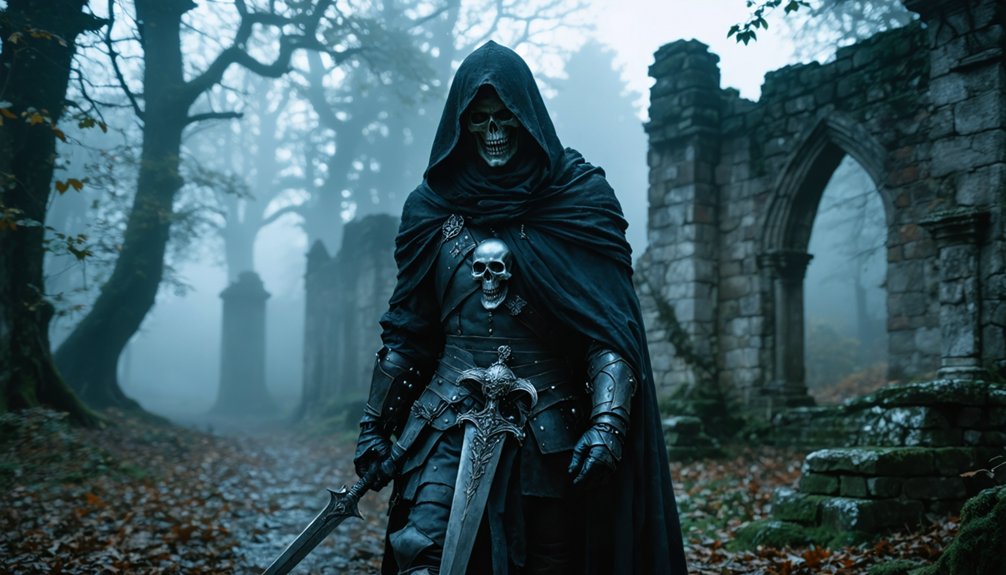
Before your monster ever steps into the light, your players should already feel it watching them. That’s the power of atmospheric buildup — dread constructed from absence, not presence.
Use flickering lights, distant sounds, and wrong silences. Let a door creak without explanation. Leave a chair slightly misplaced. These details trigger mind manipulation without a single actor entering the room.
Your players’ imaginations will conjure something far worse than anything you’ll physically stage. Don’t rob them of that. Withhold the threat deliberately, feeding only fragments — a shadow, a smell, a half-heard whisper.
When tension accumulates this way, every quiet moment becomes suspicious. Players won’t just fear what they’ve seen. They’ll fear what they haven’t. That psychological uncertainty is your most powerful design tool.
Deny Players the Skills and Safety They Depend On
Atmospheric dread does half your work — but the other half comes from stripping away your players’ sense of competence and control. Skill denial is your sharpest psychological tool. When the medic’s supplies vanish, when the tech expert’s equipment fails, when the negotiator faces someone who won’t listen — players stop feeling capable. They start feeling exposed.
Safety compromise works alongside this perfectly. Remove the familiar anchors your players unconsciously rely on: the safe room, the reliable ally, the predictable escape route. Don’t destroy everything at once. Erode it gradually, so they’re never certain what remains trustworthy.
This uncertainty doesn’t just raise stakes — it rewires how players think. They hesitate. They second-guess. That psychological fragility is exactly where your thriller needs them.
Use Darkness, Sound, and Touch to Make Fear Feel Physical
Three senses — sight, sound, and touch — are all you need to make fear feel completely real. Don’t hand players a monster. Instead, flicker the lights at the wrong moment, let a distant sound cut off too suddenly, and brush something cold against their arm in the dark.
Fear doesn’t need a monster. It just needs a flicker, a silence, and something cold in the dark.
Light manipulation does the heavy lifting here — shadows suggest what full visibility destroys. A half-seen shape terrifies far more than an exposed one.
Tactile cues bypass rational thinking entirely. A vibration underfoot, an unexpected texture, a drop in temperature — these signals hit the nervous system before the brain catches up.
Layer all three senses deliberately, not randomly. When players can’t trust what they’re seeing, hearing, or feeling, the fear stops being theatrical. It becomes genuinely psychological.
Design Scenarios With Competing Explanations So Nothing Is Confirmed
The most unsettling question you can leave a player with isn’t “what happens next?” — it’s “what actually just happened?”
When every scenario carries two or three equally plausible explanations, players can’t settle into certainty, and that uncertainty is where psychological horror lives.
Design your plot complexity around deliberate ambiguity. Was that NPC protecting the group or manipulating them? Did the ritual work, or did something worse answer instead?
Let character motivation stay murky enough that players argue amongst themselves about intent.
Never confirm a single truth. Plant contradictory evidence, offer witnesses with conflicting accounts, and let your world reward scrutiny without resolving it.
When players leave questioning their own conclusions rather than celebrating answers, you’ve built something genuinely unsettling — a story that continues living inside their minds long after the game ends.
Release Tension Periodically So the Highs Hit Harder
Sustained dread is exhausting — and that’s exactly why it stops working. When you keep players locked in constant tension, their nervous systems adapt, and the horror loses its bite.
Smart narrative pacing demands contrast.
Smart narrative pacing isn’t optional — it’s the architecture that makes every moment of horror structurally inevitable.
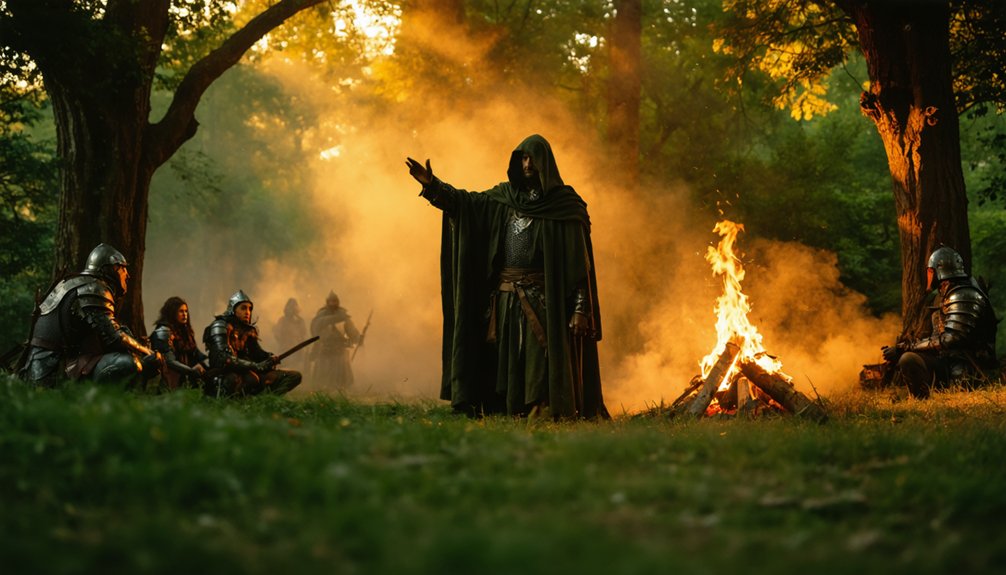
Give your players warmth. Let them eat, plan, and laugh nervously around a fire. These quieter moments aren’t wasted time — they’re structural tools that reset emotional baselines and deepen character motivation.
When players reconnect with what their characters value, the next threat hits somewhere real.
Think of tension like music. The silence between notes creates impact. You’re not releasing pressure to be kind; you’re reloading the psychological weapon.
Strip players of safety again after they’ve just exhaled, and the horror lands twice as hard, precisely because they briefly forgot to be afraid.
Frequently Asked Questions
How Do I Handle Players Who Experience Genuine Trauma During Gameplay?
Stop gameplay immediately when you spot genuine distress. You’ll need strong trauma awareness protocols and clear emotional boundaries established beforehand. Prioritize the player’s real wellbeing over narrative immersion—their psychological safety always outweighs the story’s momentum.
What Safety Words or Mechanics Should Be Established Before the LARP Begins?
Before play begins, you’ll establish consent protocols and trigger warnings clearly. Use “pause” to freeze scenes, “exit” to leave safely. These mechanics protect immersion while honoring psychological boundaries—keeping your thriller intense without crossing into genuine harm.
How Many Game Masters Are Needed to Run a Psychological Thriller LARP?
Like Hitchcock’s unseen hand guiding every shadow, you’ll need three to five Game Masters to sustain narrative complexity and craft a truly immersive environment where psychological tension breathes, shifts, and haunts players from every invisible angle.
Should Players Receive Character Backstories Before or During the Event?
Send players core character development details before the event, but drip-feed essential secrets during play. You’ll control narrative pacing this way, forcing characters to confront unsettling truths mid-game, deepening psychological complexity when they’re most emotionally vulnerable.
How Long Should a Psychological Thriller LARP Ideally Run?
Studies show 72% of LARP players hit peak immersion between hours six and ten. You’ll want 18–36 hours total — enough time for genuine character development and slow suspense building without breaking psychological tension prematurely.
References
- https://www.writersdigest.com/5-tips-for-writing-psychological-thrillers
- https://crimereads.com/7-tips-for-creating-pace-and-propulsion-in-psychological-thrillers/
- https://writershelpingwriters.net/2023/09/how-to-write-a-psychological-thriller-without-frying-your-own-brain/
- https://larpx.com/2013/10/11/horror-in-lrp-a-distillation-of-a-facebook-thread/
- https://medium.com/miltonandhugo/how-to-write-a-psychological-thriller-10-tips-for-crafting-a-thrilling-read-d6d84e8bb15e
- https://www.writersdigest.com/write-better-fiction/5-tips-for-creating-a-believable-and-captivating-psychological-thriller-writing
- https://www.youtube.com/watch?v=O76T_2U199A
- https://www.writersdigest.com/5-tips-for-writing-a-fast-paced-psychological-thriller