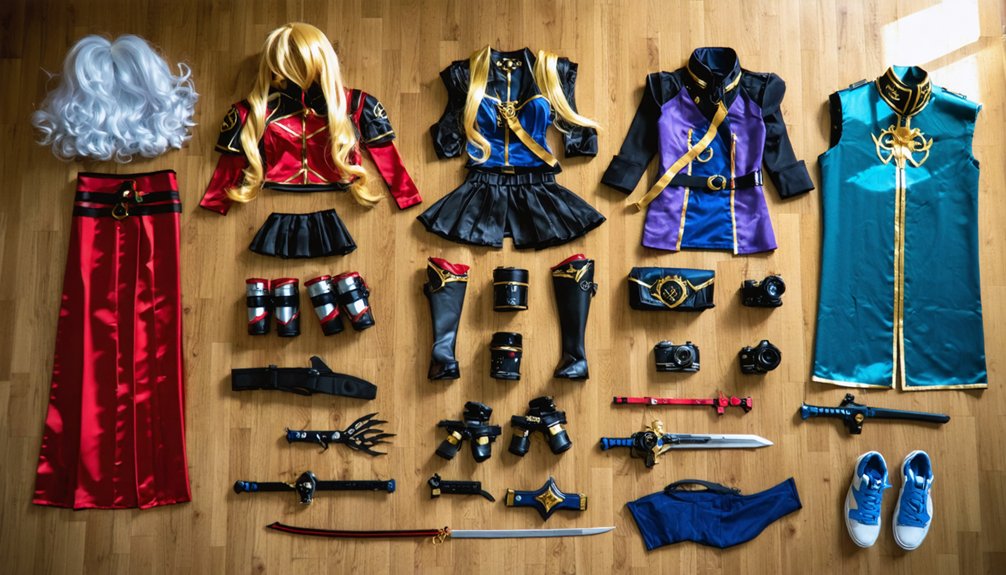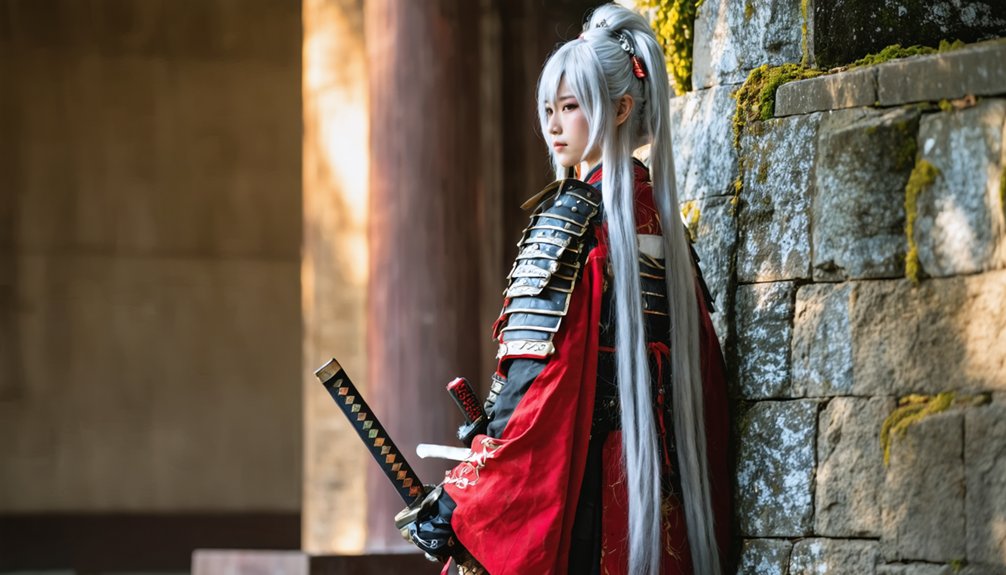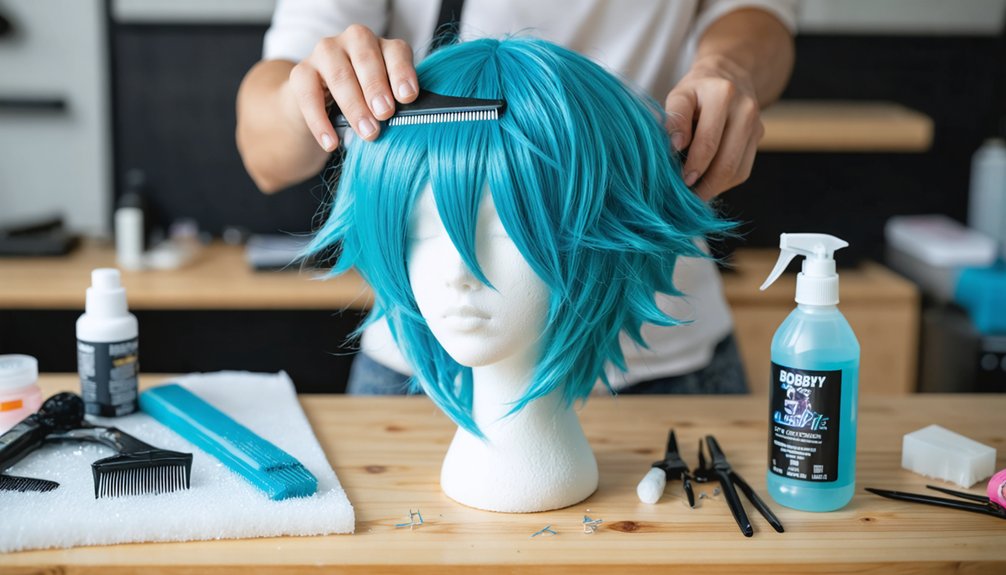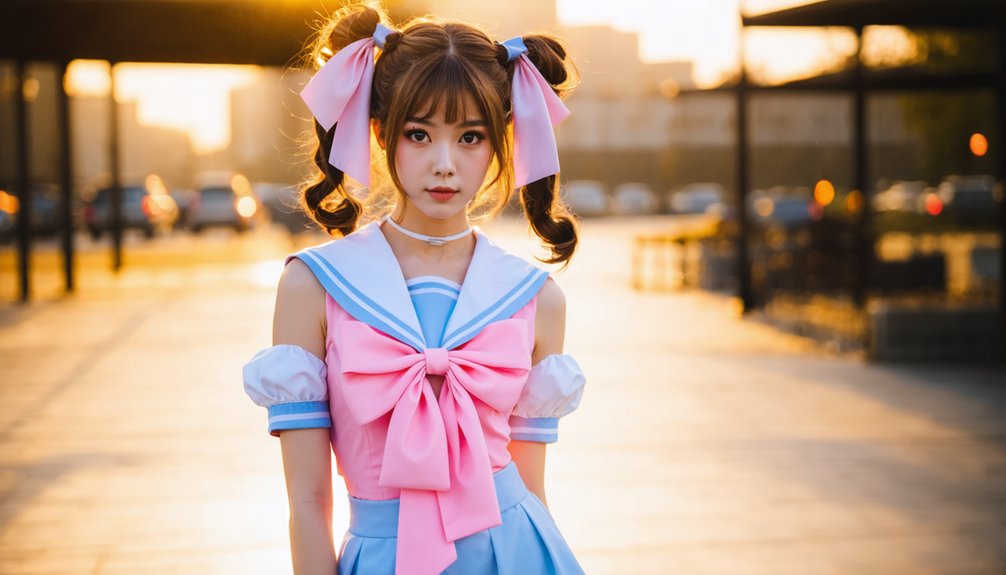
You choose retro anime cosplay fashion because it connects you to cultural narratives that actually meant something. Unlike modern streetwear’s surface-level virality, 80s and 90s anime prioritized meaning, rebellion, and identity—values that don’t expire. Each garment you wear becomes a wearable archive, bridging generations through shared emotional memory and crafted artistry that resists fast fashion’s disposability. If you’re ready to understand exactly why this movement runs deeper than aesthetics, there’s much more to uncover.
Key Takeaways
- Retro anime fashion carries deep cultural significance, connecting wearers to iconic 80s and 90s narratives that shaped identity and rebellion.
- Bold geometric linework, VHS-style textures, and handcrafted details create a tactile, nostalgic aesthetic distinct from modern digital fashion.
- Each garment resists fast fashion by emphasizing timeless storytelling, intentional material selection, and enduring artistry over disposable trends.
- The style bridges generations and communities, functioning as cultural scholarship through shared experiences and meaningful design choices.
- Retro anime cosplay declares stylistic autonomy, celebrating crafted imperfection and emotional expression over algorithmically driven mainstream trends.
What Makes Retro Anime Cosplay Fashion Different From Modern Streetwear
Modern streetwear optimizes for virality. Retro anime cosplay fashion optimizes for meaning. It draws Cultural Relevance from formative visual narratives—*Akira*, *Ghost in the Shell*, *Sailor Moon*—transforming emotional memory into wearable identity.
Where contemporary drops prioritize surface-level appeal, retro anime fashion layers existentialist themes, manga iconography, and VHS imperfections into every design choice.
You wear history, rebellion, and imagination simultaneously—something no algorithm can replicate.
Why the 80s and 90s Still Hit Hard for Gen Z and Millennials
The cultural impact of this era persists because it prioritized meaning over aesthetics.
When you wear it, you’re not chasing nostalgia. You’re asserting that some truths don’t expire.
Iconic Anime Titles That Shaped Retro Cosplay Fashion
A handful of anime titles didn’t just entertain — they rewired how a generation understood visual storytelling, rebellion, and identity.
*Akira* introduced cyberpunk body horror and urban decay into mainstream consciousness, its iconic red motorcycle jacket now a cosplay staple that transcends fandom into street fashion.
*Ghost in the Shell* pushed existentialist themes through Motoko Kusanagi’s translucent bodysuit, a design so philosophically loaded that wearing it today still invites conversation about selfhood and technology.
*Sailor Moon* democratized magical girl aesthetics, its color-coded uniforms blending femininity with warrior archetypes in ways that continue shaping gender expression in cosplay.
These titles carry nostalgic influences that you can’t separate from their cultural significance — they didn’t just define eras; they handed you a visual language for understanding who you are.
What Retro Anime Fashion Actually Looks Like
Knowing which titles shaped retro anime fashion brings you closer to recognizing its visual fingerprints in the wild. You’ll spot bold geometric linework, grainy broadcast textures, and vibrant color palettes pulled directly from analog-era production.
These Retro Aesthetic Trends manifest in oversized cuts, translucent layering, and hand-altered details like embroidery or paint that reject digital precision.
Nostalgic Fashion Influences emerge through manga panel prints, mecha graphics, and circuit-inspired motifs stitched into wearable narratives. You’re not encountering mere decoration — you’re reading visual storytelling rooted in rebellion, wonder, and existentialist inquiry.
Matte spandex mimics 90s textile weight while VHS-era grain counters hyper-polished modern aesthetics. Each garment carries emotional architecture, transforming nostalgia into analytical expression rather than passive sentiment, and inviting you to wear cultural memory deliberately.
Why Retro Anime Cosplay Fashion Outlasts Fast Fashion Trends
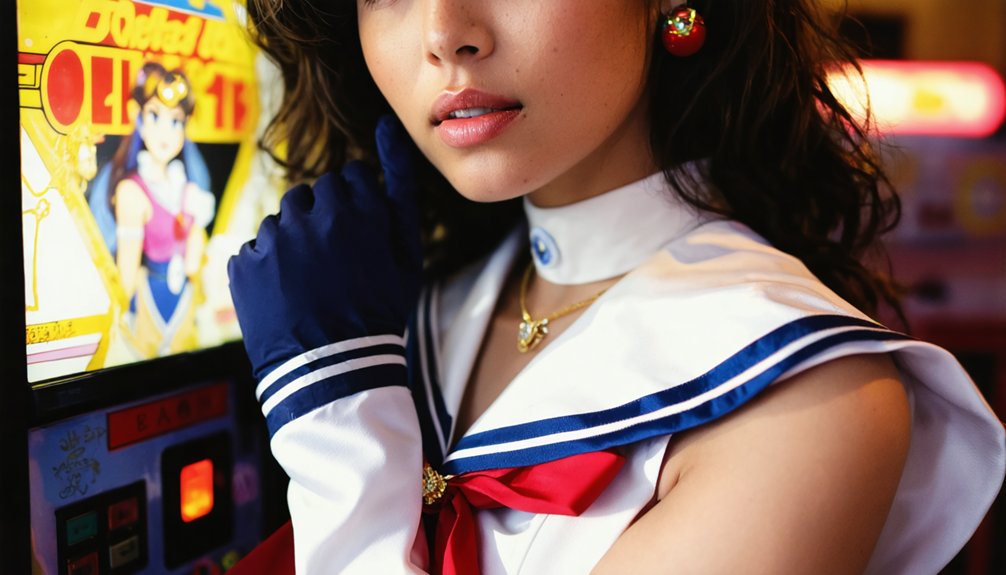
When you invest in retro anime cosplay fashion, you’re choosing pieces built around timeless narratives rather than disposable trends.
You craft or curate garments with intention — selecting durable fabrics, hand-altered details, and iconography rooted in decades of cultural significance.
In doing so, you actively resist the fast fashion cycle, asserting that clothing carrying Akira’s dystopian weight or Sailor Moon’s generational resonance simply can’t be replaced by next season’s algorithm-optimized drop.
Timeless Over Trendy
While fast fashion churns out disposable trends that fade within seasons, retro anime cosplay fashion roots itself in something far more durable: cultural meaning.
You’re not simply wearing clothing — you’re participating in generational bridging, carrying nostalgic aesthetics forward through handcrafted details that resist algorithmic homogenization. These timeless designs invite identity exploration, connecting you to emotional storytelling embedded within *Akira*, *Ghost in the Shell*, and *Sailor Moon*.
Unlike synthetic microtrends, retro anime fashion delivers tactile experiences — matte spandex, embroidered linework, grainy broadcast textures — that engage your senses meaningfully.
It fosters community engagement through shared cultural connections, transforming visual rebellion into wearable legacy.
When you choose craft over convenience, you’re asserting that fashion should outlast the season that produced it.
Crafted For Durability
Fast fashion’s disposability stands in sharp contrast to retro anime cosplay fashion‘s foundational commitment to durability — a commitment you can feel in every hand-altered seam and embroidered circuit pattern.
When you invest in narrative clothing rooted in vintage aesthetics, you’re choosing craftsmanship focus over mass production. These garments carry cultural significance drawn from *Akira* and *Ghost in the Shell*, transforming emotional connection into functional fashion that endures.
Durable materials like matte spandex resist trend cycles while honoring ethical practices tied to licensed, culturally resonant imagery. Timeless designs don’t chase algorithmic approval — they assert lasting impact through storytelling stitched directly into fabric.
You’re not merely wearing clothing; you’re preserving a visual heritage that continues bridging generations through intentional, thoughtfully constructed style.
Defying Fast Fashion
Durability isn’t just a construction principle in retro anime cosplay fashion — it’s the philosophical backbone of a movement that actively resists fast fashion’s disposability culture.
When you choose these garments, you’re rejecting algorithmic trend cycles that commodify creativity and homogenize self-expression. Retro anime pieces carry vintage authenticity that mass-produced clothing simply can’t replicate — each hand-altered detail, grainy texture, and bold graphic reflects deliberate artistic intent rather than quarterly profit margins.
You’re also honoring the cultural significance embedded within these designs, connecting wearers across generations through shared visual storytelling rooted in *Akira*, *Ghost in the Shell*, and *Sailor Moon*.
This isn’t nostalgia for nostalgia’s sake — it’s a calculated, values-driven investment in clothing that outlasts seasonal trends precisely because it was never designed to follow them.
Where Retro Anime Fashion Shows Up Today
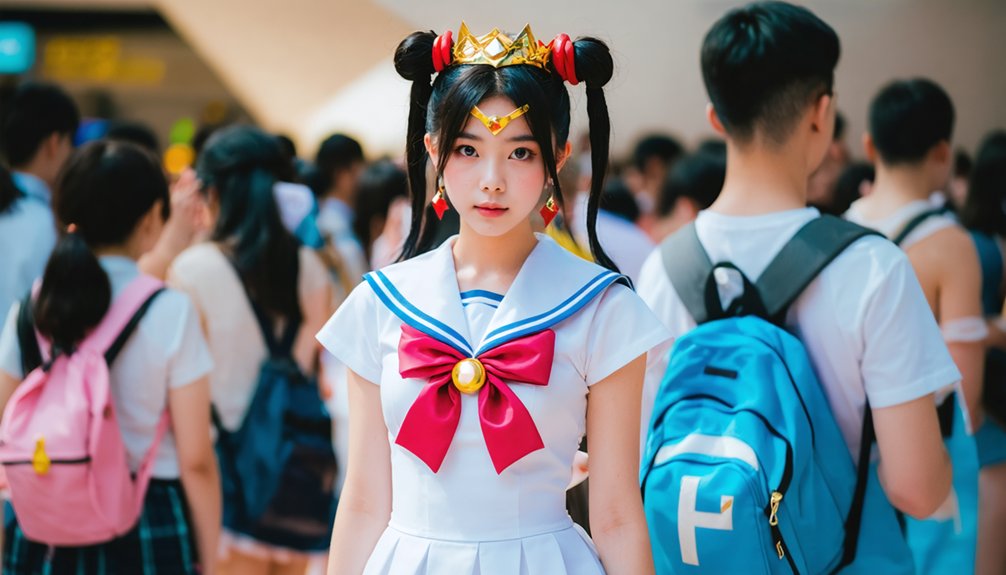
You’ll find retro anime fashion operating across two seemingly distant worlds—the high-fashion runways of Paris and the grassroots streetwear scenes of Tokyo and Los Angeles—yet both spaces draw from the same nostalgic visual vocabulary.
Luxury labels have reinterpreted vintage mecha graphics and classic character motifs, signaling that what once lived in convention halls now commands serious cultural capital.
At anime conventions and urban streetwear drops alike, you’re witnessing a convergence where niche fandom aesthetics have crossed into mainstream fashion with undeniable permanence.
High Fashion Runway Appearances
This isn’t trend-chasing — it’s deliberate cultural reclamation. Luxury houses are reinterpreting *Akira*-era aesthetics and *Ghost in the Shell* iconography through tailored silhouettes and premium fabrication.
When you engage with retro anime fashion today, you’re participating in a movement that’s moved far beyond niche appeal. Social media normalization has accelerated this shift, transforming once-subcultural visuals into globally recognized symbols of sophisticated, narrative-driven style.
Convention and Streetwear Scenes
While luxury runways have legitimized retro anime aesthetics, convention floors and urban streetwear scenes remain where the movement breathes most authentically. You’ll find convention culture functioning as a living archive, where enthusiasts study screencaps and art books to achieve meaningful nostalgic influences in their designs. This commitment to accuracy elevates artistic expression beyond costume into cultural scholarship.
Streetwear evolution similarly reflects this depth. Tokyo drops and Los Angeles releases now carry emotional storytelling through mecha graphics and manga-panel prints, inviting identity exploration through wearable narrative. You’re not simply adopting a trend—you’re participating in community connections forged through shared formative experiences.
Furthermore, fashion sustainability anchors this movement. By investing in crafted, character-driven pieces, you actively resist disposable consumption, choosing garments that carry genuine cultural memory rather than algorithmic relevance.
How to Build a Retro Anime Cosplay Outfit With Purpose
Building a retro anime cosplay outfit with purpose starts with intention — not impulse. You begin with character inspirations drawn from series that shaped you emotionally — *Akira*, *Sailor Moon*, *Ghost in the Shell*.
Let emotional storytelling guide every design element you select, from grainy broadcast textures to bold geometric linework.
Every stitch and texture should whisper a story — let emotion shape each design choice you make.
Your crafting process should prioritize vintage sourcing — matte spandex, thrifted base garments, and hand-altered details that resist digital perfection. You’re not chasing trends; you’re asserting style interpretation rooted in cultural memory.
Nostalgia techniques like referencing screencaps and original art books sharpen your accuracy. They also deepen community connections when others recognize your dedication.
Building purposefully means your outfit carries narrative weight — bridging generational identity with innovative, ethical, and emotionally resonant fashion.
How to Source Retro Anime Fashion Pieces Without Losing Quality
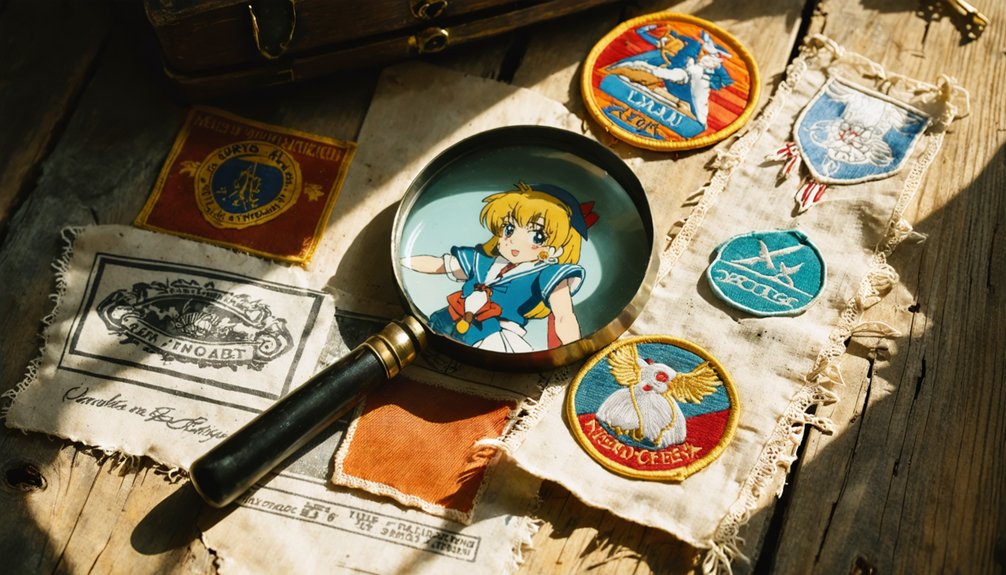
When sourcing retro anime fashion pieces, you’ll find that reliability hinges on knowing where authentic vintage garments actually live — think curated secondhand platforms, Japanese import shops, and convention vendor halls with provable provenance.
You should evaluate each piece critically, checking fabric weight, print fidelity, and construction integrity against reference materials like official art books or screencaps before committing to a purchase.
Without this disciplined sourcing approach, you risk acquiring mass-produced imitations that strip the cultural authenticity and tactile nostalgia from what should be a meaningful, identity-driven garment.
Identifying Reliable Vintage Sources
Sourcing retro anime fashion pieces authentically requires traversing a market where nostalgia meets commercial opportunism, and you’ll need sharp discernment to separate genuine vintage finds from low-quality reproductions.
Prioritize vintage sourcing through established platforms like Mercari Japan, Yahoo! Auctions, and specialized secondhand stores in Harajuku, where provenance is traceable and cultural context remains intact.
Reliable vendors typically demonstrate deep familiarity with the original series, offer verifiable production dates, and present authentic fabric textures consistent with late ’80s to early 2000s manufacturing standards.
Cross-reference purchases against official art books and screencaps to authenticate design accuracy.
Community forums dedicated to classic titles like *Akira* or *Sailor Moon* often maintain curated vendor lists, transforming collective fandom knowledge into a powerful quality-control mechanism you shouldn’t overlook.
Evaluating Quality Before Purchasing
Once you’ve identified a reliable source, the next challenge is knowing what to look for before committing to a purchase.
Examine quality materials closely — matte spandex, dense weaves, and period-accurate fabrics signal authentic craftsmanship rather than mass-produced imitation. Check detailed embellishments like embroidery, screen printing, and hand-altered finishes that honor the original design’s integrity.
Character accuracy matters enormously; cross-reference screencaps and official art books to verify proportional correctness and color fidelity. Ethical sourcing guarantees you’re investing in pieces that respect the cultural heritage they represent.
Beyond construction, assess whether the garment carries timeless appeal — something that transcends seasonal trends. That vintage aesthetics quality, combined with a genuine emotional connection to the source material, separates meaningful retro anime fashion from disposable costuming.
How Retro Anime Cosplay Lets You Own Your Style Identity
Retro anime cosplay isn’t just a costume choice—it’s a declaration of stylistic autonomy in a fashion landscape increasingly shaped by algorithmic trends and mass-market homogenization.
Through nostalgic aesthetics rooted in late ’70s to early 2000s animation, you reclaim visual storytelling as a personal medium. Identity politics become embedded in what you wear—*Ghost in the Shell*’s existentialism, *Sailor Moon*’s gender fluidity, *Akira*’s rebellion.
These aren’t arbitrary references; they’re generational dialogues rendered wearable. Fashion evolution demands this kind of cultural relevance, where emotional connection transforms garments into lived narratives rather than disposable trends.
Your creative expression resists homogenization by honoring crafted imperfection over algorithmic polish. Retro anime cosplay empowers you to assert who you’re through a visual language that genuinely means something.
Why This Scene Rewards You for Ignoring Trends
While mainstream fashion cycles punish hesitation—last season’s drop becomes this season’s embarrassment—retro anime cosplay operates on an entirely different economy of value. Here, nostalgic influences appreciate rather than depreciate. You’re rewarded precisely because you’ve ignored algorithmic trends and invested in cultural significance instead.
Nostalgia doesn’t expire here—it compounds. The longer you hold, the more cultural currency your collection earns.
This scene sustains itself through emotional storytelling, where a hand-painted *Ghost in the Shell* jacket communicates more than any hyped seasonal release.
Fashion evolution, in this setting, moves vertically through generational dialogue rather than horizontally across trend cycles.
Your identity expression deepens alongside your research. Artistic collaboration with vintage source material sharpens your eye and strengthens community connection with others who share your commitment.
The longer you engage authentically, the more irreplaceable your aesthetic becomes—trend immunity is your reward.
Frequently Asked Questions
Can Retro Anime Fashion Be Worn in Professional or Formal Settings?
You can absolutely wear retro anime fashion professionally when you prioritize professional styling through subtle motifs and refined cuts. Event appropriateness determines how boldly you’ll express nostalgia, letting you analytically balance innovation with workplace expectations.
Are There Age Restrictions or Expectations Within Retro Anime Fashion Communities?
Ridiculous as it sounds, you’d think only teenagers rule here! Retro anime fashion communities embrace community inclusivity across all ages, welcoming generational influences that connect seasoned enthusiasts and curious newcomers through shared, timeless cultural storytelling.
How Do Copyright Laws Affect Buying or Selling Retro Anime Clothing?
When you’re buying or selling retro anime clothing, you’ll navigate complex licensing issues that govern fan art and official designs. Unauthorized reproductions risk legal consequences, so you’ve got to prioritize ethically sourced, licensed pieces honoring creators’ intellectual legacies.
Is Retro Anime Cosplay Fashion Accessible for People on Tight Budgets?
“Where there’s a will, there’s a way”—you can embrace retro anime cosplay fashion through affordable options like thrifted pieces and DIY techniques, transforming vintage fabrics into expressive, narrative-driven garments that authentically honor animation’s golden era.
Do Retro Anime Fashion Trends Differ Significantly Between Western and Japanese Markets?
Yes, they differ considerably. In Japan, you’ll find cultural influences driving authenticity and collector precision, while Western market preferences lean toward streetwear fusion and bold self-expression, blending nostalgia with innovative, identity-driven fashion statements uniquely your own.
References
- https://www.alibaba.com/product-insights/why-is-everyone-suddenly-into-retro-anime-fashion-trends-explained.html
- https://www.oreateai.com/blog/the-rise-of-aesthetic-anime-fashion-where-nostalgia-meets-streetwear/79adb94663062a67c008129336b374a1
- https://www.alibaba.com/product-insights/anime-conventions-2025-what-cosplay-trends-are-making-a-comeback.html
- https://rogersenpai.com/vintage-cosplay-idea/
- https://www.latonique.news/articles/anime-and-cosplay-a-modern-fashion-trend
- https://www.reddit.com/r/retroanime/comments/1oj1shl/90a_anime_and_its_fashion_sense/
- https://www.alibaba.com/product-insights/why-is-everyone-suddenly-into-retro-anime-aesthetics-in-modern-fashion.html
- https://cosplays.news/index.php/2025/04/23/top-cosplay-trends-to-watch-this-year/
- https://hollywoodprogressive.com/sponsnored/choosing-the-perfect-anime-cosplay-outfit
- https://www.aurinwear.com/blogs/news/retro-anime-streetwear-trend